

This article was originally published on Crafting Your Home. A human contributor also wrote and edited the post.
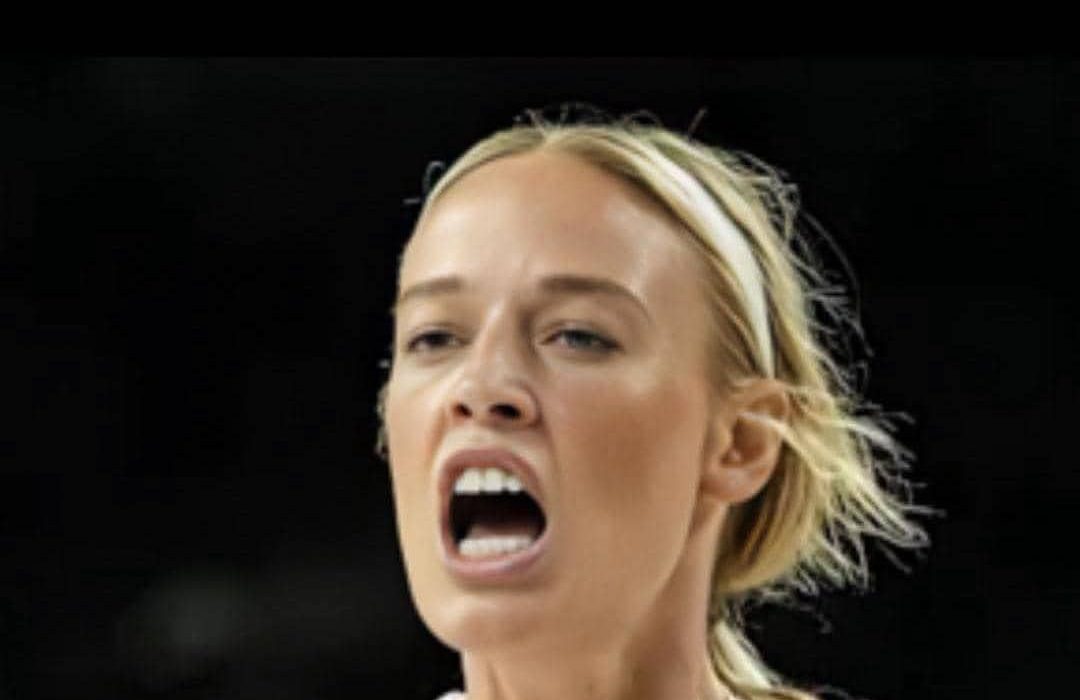
WNBA player Sophie Cunningham is defending her position on transgender participation in women’s sports after facing criticism online over comments about the issue.
The Phoenix Mercury guard has become involved in one of the most debated topics in sports: how leagues and governing bodies should handle transgender athletes competing in women’s categories.
Cunningham’s comments, which supporters described as defending fairness in women’s athletics, drew criticism from others who argued that the conversation around transgender athletes is often politicized and can harm transgender people.
Despite the backlash, Cunningham has indicated that she does not plan to change her position.
The controversy highlights a broader national debate involving athletes, lawmakers, sports organizations, and fans over competition rules, inclusion, and the future of women’s sports.
Cunningham Faces Criticism After Sharing Her View on Women’s Competition
Sophie Cunningham, known for her competitive style and outspoken personality, has spent her career in professional basketball, including time with the Phoenix Mercury in the WNBA.
The athlete became part of the transgender sports debate after expressing support for the view that biological differences should be considered when creating rules for women’s athletic competition.
A statement attributed to Cunningham said:
“Men do not belong in women’s sports.”
Supporters of her position argue that allowing transgender women who experienced male puberty to compete in women’s categories could create competitive advantages that affect fairness.
They point to differences in factors such as muscle mass, bone structure, and physical strength as reasons why separate categories exist in sports.
Opponents of her position argue that transgender athletes should not be excluded based solely on assumptions about physical ability. They say policies should consider inclusion, individual circumstances, and established regulations created by sports organizations.
The disagreement has become one of the most politically charged issues in athletics, with different sports organizations adopting different approaches.
Some governing bodies have created restrictions based on testosterone levels or transition timelines, while others have moved toward stricter eligibility rules.

Debate Over Transgender Athletes Continues Across Women’s Sports
The discussion surrounding transgender athletes is not limited to the WNBA or basketball.
Sports organizations around the world have been reviewing policies on transgender participation, especially in elite competition.
The International Olympic Committee previously allowed individual sports organizations to establish their own eligibility rules rather than creating one universal policy.
In the United States, policies vary widely depending on the sport, level of competition, and governing organization.
Supporters of restrictions argue that women’s sports were created because biological differences can affect competition outcomes.
They say protecting female athletic opportunities requires maintaining clear categories.
Critics argue that broad restrictions can unfairly target transgender athletes and that each case should be considered individually.
They also argue that transgender athletes represent a small portion of overall sports participation and that the debate has sometimes become more political than practical.
The issue has also entered into government debates. Several states have passed laws restricting transgender athletes from competing in women’s and girls’ sports categories, while other states and organizations have challenged those restrictions.
The ongoing disagreements show how difficult it has become to create rules that satisfy both fairness concerns and inclusion of advocates.
Cunningham Says She Will Not Back Down Despite Online Reaction
Following criticism of her comments, Cunningham has maintained that she is standing by her views.
Supporters praised her for speaking openly on a controversial subject, arguing that professional athletes should be able to discuss policies affecting their sports.
They say Cunningham’s position reflects concerns shared by many female athletes who want to preserve opportunities created through women’s sports programs.
Critics, however, accused her of promoting