


Cannabis has a reputation for being obvious. People expect the slow grin, the softer shoulders, the floating thoughts, the snack cravings, or at least some clear shift that says, “Okay, something changed.” So when someone smokes and feels almost nothing, it can be confusing, frustrating, and a little unsettling.
The first instinct may be to smoke more, but that is exactly where many people make the wrong move. Feeling nothing does not always mean the cannabis is weak. Sometimes the body is sending a quieter message about tolerance, product quality, timing, medication interactions, stress, or even the way cannabis is being used.
The risk is that people chase the feeling instead of pausing to understand why it is missing. That chase can lead to overuse, anxiety, poor judgment, or a habit that becomes harder to control.
Your tolerance may be higher than you think

The most obvious warning sign is also the easiest one to ignore. If cannabis used to affect you clearly but now barely moves the needle, your body may have adjusted to regular THC exposure. That does not mean you are “built different.” It may mean your brain and body have learned to expect the substance, so the same amount no longer produces the same result.
This is where many users fall into a quiet trap. They increase the amount, switch to stronger products, or smoke more often just to reach a feeling that used to come easily. That pattern matters because needing more to feel the same effect can indicate tolerance.
If the experience keeps getting flatter while your intake keeps rising, the issue may not be the weed. It may be the relationship you are building with it.
Stress, anxiety, or expectation may be drowning out the effect
Cannabis does not land in a vacuum. Your stress level, mood, environment, and expectations can shape how noticeable the effect feels. If someone is anxious, distracted, overstimulated, or waiting too aggressively for a big mental shift, they may miss subtle changes. The mind can become so focused on checking for the high that it blocks the experience from feeling natural.
This can create a frustrating loop. A person smokes, feels nothing, gets annoyed, smokes again, then suddenly feels too much. Cannabis can also intensify anxiety or panic in some people, especially with higher THC products.
So the problem is not always “too little.” Sometimes the body is tense, the setting is wrong, or the person is chasing a very specific feeling that cannabis may not deliver on command.
The product may be weaker or mislabeled
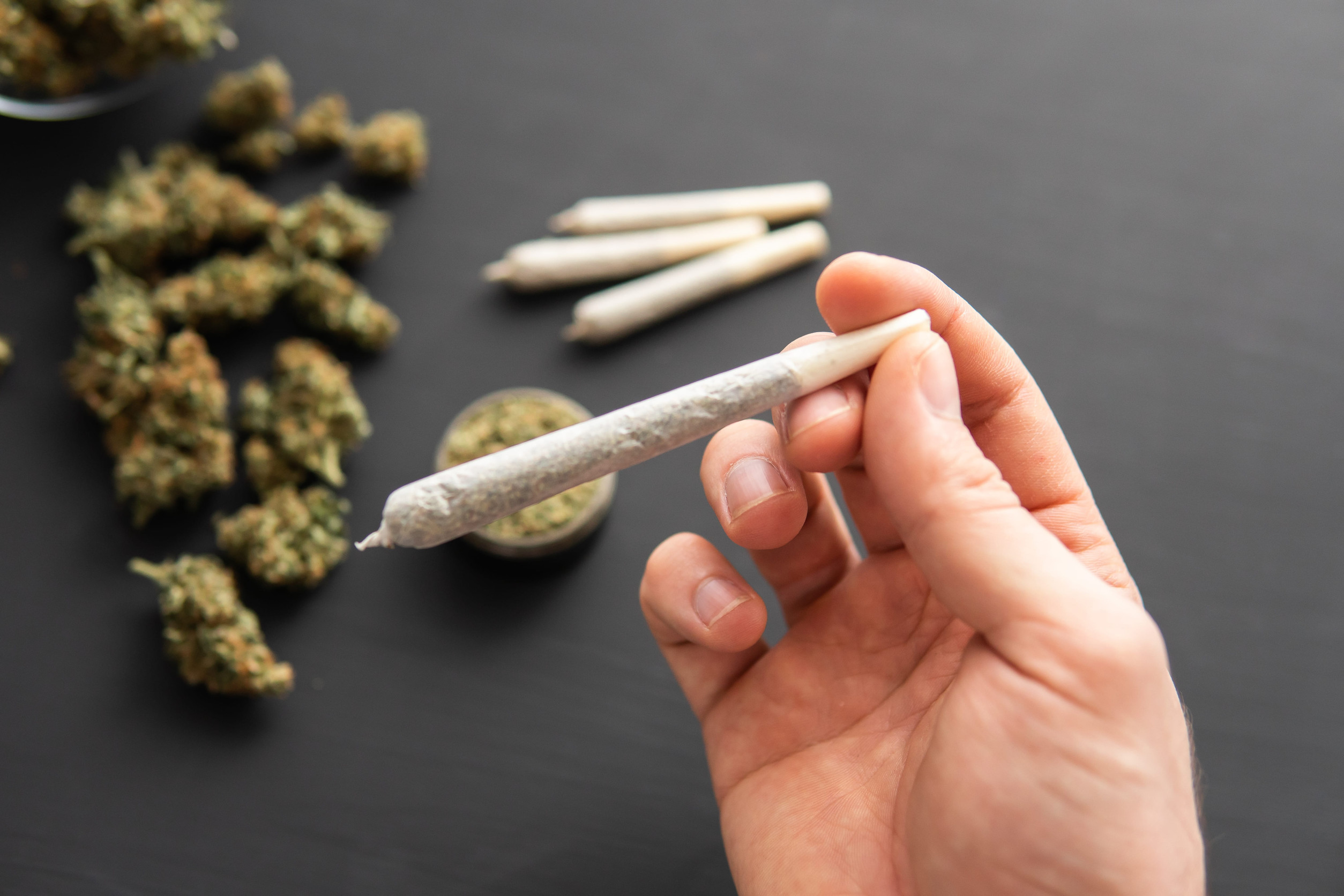
Not every cannabis product is as strong, fresh, or reliable as people assume. Flowers can lose potency over time, especially if they are stored badly, exposed to too much air, or kept in heat and light. Some products may also contain less THC than expected, particularly in places where testing, labeling, or quality control is inconsistent.
This matters because “I feel nothing” may be less about your body and more about what you actually consumed. A product can smell decent and still be low in active strength. It can look normal and still fail to deliver the expected effect. If someone responds by immediately taking more, they may misjudge the situation, especially when switching later to a stronger product.
The safer clue is inconsistency. If one product does nothing but another hits unusually hard, the problem may be potency, labeling, or storage.
You may be chasing relief that cannabis cannot provide
Some people smoke because they want a specific result: sleep, calm, appetite, laughter, pain relief, creativity, or emotional escape. When that result does not show up, they assume the cannabis failed. But sometimes the issue is bigger than the product. Chronic stress, depression, anxiety, trauma, pain, insomnia, and burnout do not always respond neatly to cannabis.
That becomes a warning sign when cannabis turns into the main tool for managing life, yet it keeps disappointing you. If you feel nothing but still keep reaching for it, the habit may be serving a psychological role more than a physical one.
At that point, the question changes. It is no longer just “Why am I not high?” It becomes “What am I trying to feel, avoid, or fix?”
You may be using it too often for it to feel noticeable
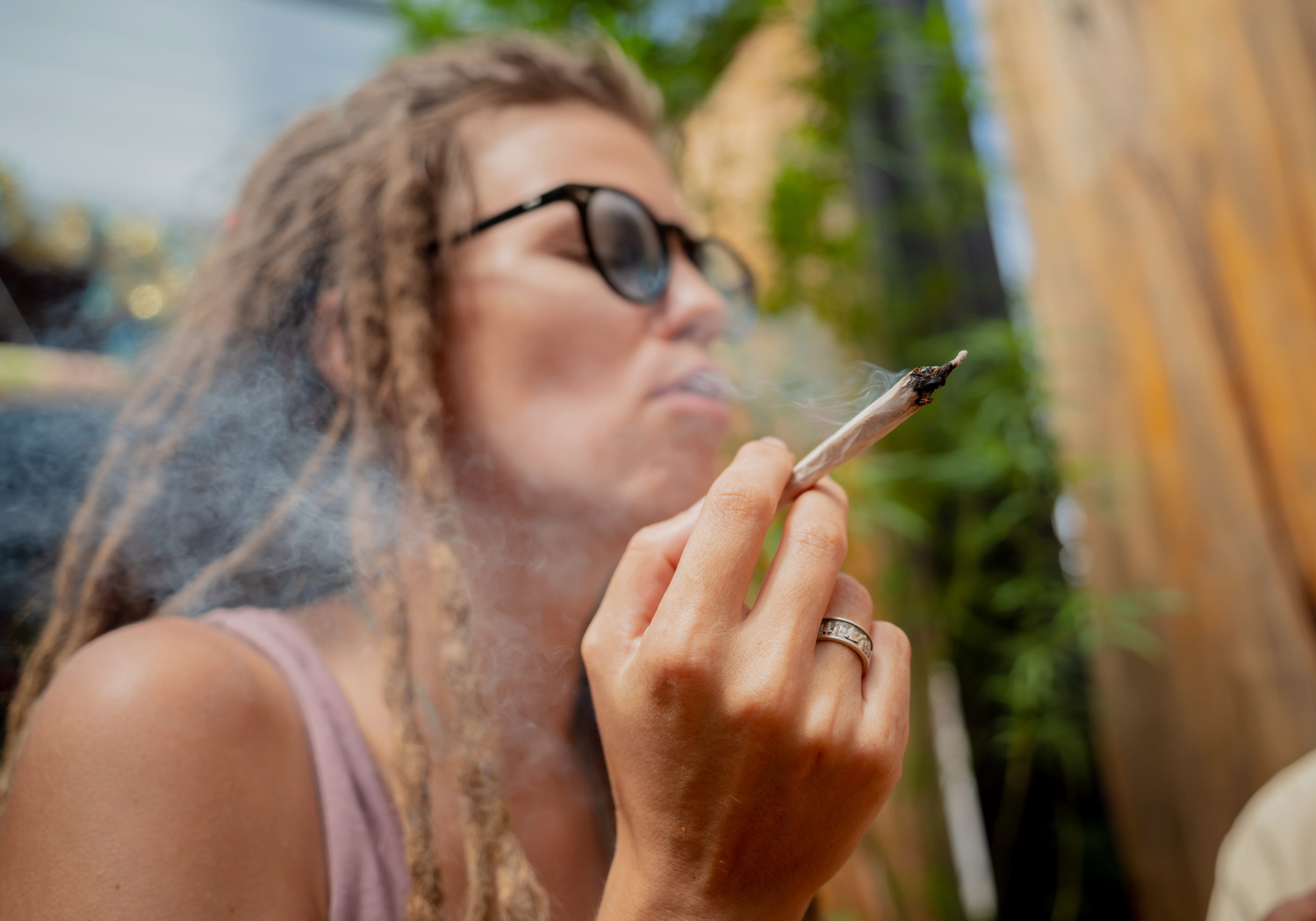
Cannabis can feel less dramatic when it becomes part of a daily routine. The first few experiences may feel obvious because the contrast is strong. Over time, regular use can turn that contrast into background noise. Instead of feeling clearly high, a person may just feel normal, slightly slower, or emotionally muted without realizing it.
That is a warning sign worth taking seriously. When cannabis stops feeling like a distinct experience and starts feeling like a baseline, it may be harder to judge how much it is affecting motivation, memory, sleep, focus, or mood.
Some people say they feel nothing, but friends notice slower reactions, duller energy, or forgetfulness. The missing “high” does not always mean there is no effect. It may mean the effect has become familiar enough to hide in plain sight.
Your body may process cannabis differently
People do not respond to cannabis in identical ways. Body chemistry, frequency of use, sleep, food intake, metabolism, and individual sensitivity can all influence how cannabis feels. Some people are highly sensitive to small amounts.
Others need more exposure before they notice obvious effects. A few may experience cannabis in a muted or unusual way from the start. That does not mean the answer is to keep pushing higher. Different response patterns can make cannabis less predictable, not safer.
A person who feels nothing one day may feel overwhelmed the next day after a different product, a stronger strain, or a heavier session. This is especially important when someone moves between smoking, vaping, concentrates, and edibles, because each route can feel different in timing, intensity, and duration.
You may be mixing it with things that change the experience
Alcohol, sleep medications, anti-anxiety drugs, some prescriptions, and other substances can change how cannabis feels. In some cases, the combination may dull the expected effect. In others, it may increase drowsiness, confusion, poor coordination, or risky decision-making.
That can make the situation more dangerous than it seems, especially if the person believes the cannabis “did nothing.” This is one reason “I feel fine” can be misleading. The body may still be impaired even when the mind does not register a strong high.
Reaction time, attention, and judgment can shift quietly. Driving, working with equipment, or making serious decisions after using cannabis can still be risky. Feeling nothing is not proof that nothing is happening inside the body.
Conclusion
Feeling nothing after smoking cannabis is not automatically a crisis. It can happen because of tolerance, weak product, stress, timing, biology, or unrealistic expectations. The real danger begins when the response is automatic escalation. More hits, stronger products, more frequent use, and less patience can turn a confusing experience into a risky pattern.
A smarter response is to pause and look at the bigger picture. Has your intake increased? Are you using it more often than before? Are you relying on cannabis to feel normal? Are other people noticing changes you are not seeing?
The absence of a high can be a small inconvenience, but it can also be a warning light. Sometimes the body is not asking for more. It is asking you to pay attention.


