



This post: Six simple health checks that can reveal important warning signs early first appeared on Crafting Your Home.
Many serious health concerns don’t begin with obvious symptoms, which is why routine checks are an important part of staying informed about your health.
For many people, a doctor’s visit only happens when something feels wrong. But routine health screenings can catch changes that might otherwise go unnoticed. Simple checks, including blood pressure readings, cholesterol tests, and diabetes screenings, are among the common health checks used to provide more information about a person’s health status.
Why routine checks matter for everyday readers
A simple screening appointment can provide information that everyday observation may not reveal. These checks do not replace medical advice, but they can help people better understand their health and discuss any concerns with a qualified healthcare professional.
Blood pressure checks

Blood pressure testing is one of the basic health checks many people encounter during medical visits. The test measures the force of blood moving through the body and provides a reading that healthcare professionals can review.
Because blood pressure can change over time, regular checks help create a clearer picture of a person’s health history. A single reading may not tell the entire story, which is why healthcare providers consider results alongside other health information.
Cholesterol testing
Many people do not think about cholesterol until a healthcare professional recommends testing. Regular conversations about cholesterol screening can help people understand why the test may be part of preventive care.
Blood-glucose or diabetes testing

Diabetes testing is one of the screenings included in preventive healthcare discussions. Healthcare providers may use test results, along with other information, to better understand a person’s health situation.
Breast-cancer screening
Breast-cancer screening is another important health check included in preventive care discussions. Screening recommendations can vary depending on individual circumstances, so people should discuss their options with a healthcare provider.
Regular conversations about breast health allow individuals to understand which screening approaches may apply to them. Healthcare professionals can provide guidance based on personal health information and screening recommendations.
Prostate assessment
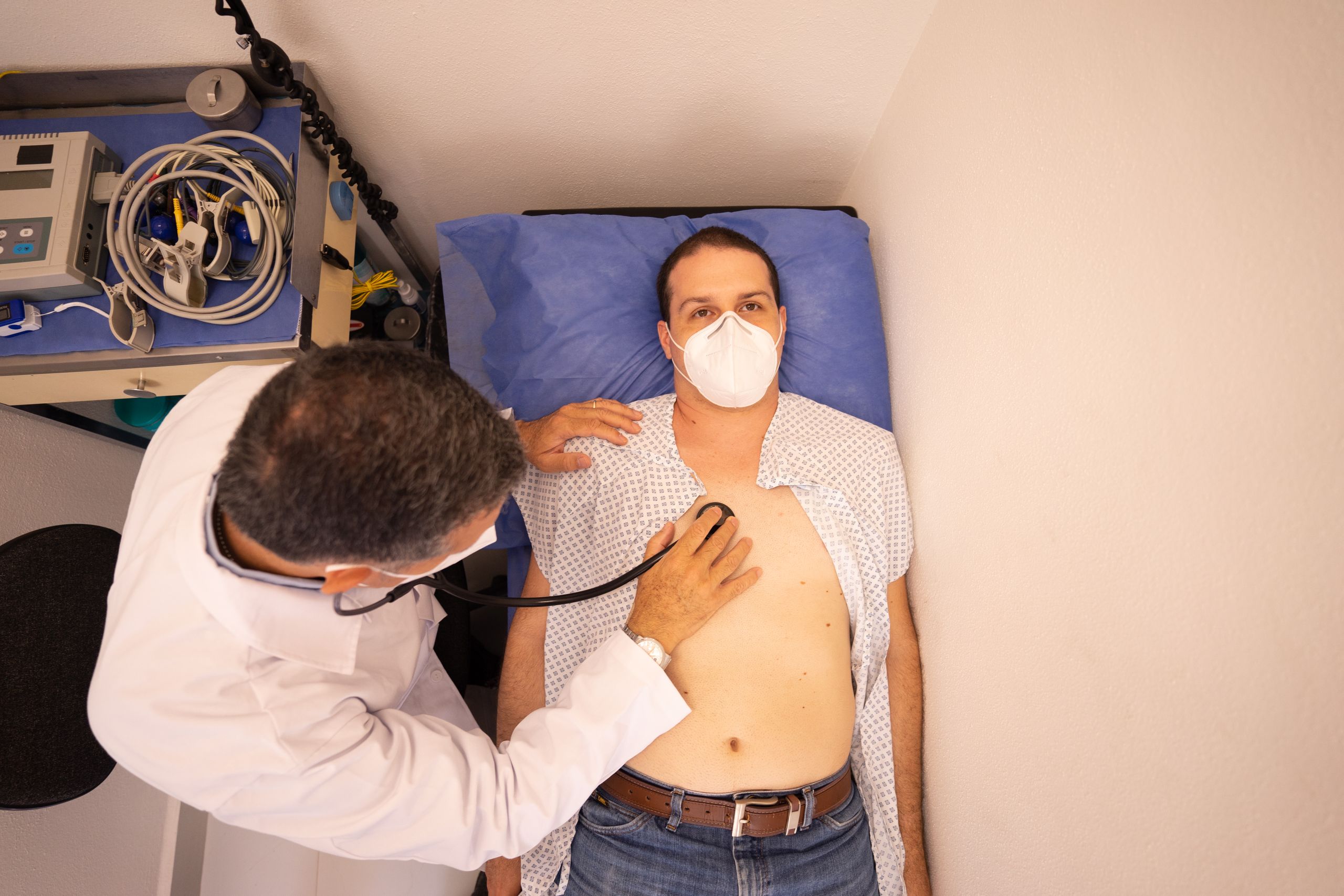
Like other screenings, prostate assessments involve conversations about personal health factors and available options. A healthcare provider can explain what an assessment involves and whether it’s appropriate based on an individual’s circumstances.
If you like what you just read, then subscribe to our newsletter and follow us on social media.


