



The post Single Women Today Have These 8 Dating Standards That Would Make 90s Men Ask, “Who’s Going To Marry You?” first appeared on Crafting Your Home.
Back in the 1990s, finding love often involved landline phone calls, answering-machine messages, introductions through friends, and waiting to see whether someone would actually call when they promised. Fast-forward to today, and dating looks very different.
Women can swipe through dating profiles, build successful careers, manage their finances, and decide whether marriage fits their plans. Some of their relationship expectations might challenge the more traditional attitudes common in certain 1990s households.
Imagine a woman telling her boyfriend she expects him to cook, communicate openly, respect her career, and understand that marriage isn’t her immediate priority. Someone might jokingly ask, “Who’s going to marry you with all those expectations?”
But here’s the interesting part: many of these standards aren’t new. Women valued emotional support, independence, and dependable partners long before dating apps existed. What’s changed is the social, economic, and technological world surrounding relationships.
Here are eight dating expectations that reveal just how much American dating culture has evolved.
Emotional Maturity Matters More Than Acting Tough

Remember the old stereotype of the strong, silent man who rarely discussed his feelings? That image might have looked romantic in certain 1990s movies, but real relationships require more than mysterious looks and awkward silences.
Today, some single women want partners who can communicate openly, acknowledge mistakes, and discuss difficult emotions without turning every disagreement into an argument. It’s not about expecting someone to cry during every romantic movie. It’s about wanting a partner who can say, “I understand why you’re upset,” instead of disappearing whenever a serious conversation begins. Research supports the importance of emotional compatibility.
A 1997 study published in the Journal of Personality and Social Psychology found that differences between desired and actual partner characteristics, including emotional stability and agreeableness, were associated with relationship dissatisfaction. So emotional maturity wasn’t invented by modern dating culture. What’s different is that people now openly discuss emotional availability and healthy communication as relationship expectations.
Clear Communication Beats Endless Mixed Signals
In the 1990s, someone might wait beside the telephone, wondering whether a romantic interest would call. Today, that uncertainty can happen while staring at a smartphone. The devices changed. The frustration didn’t.
For some modern single women, clear communication means knowing whether someone wants a serious relationship, casual dating, or something else entirely. They aren’t necessarily demanding a text every five minutes. They simply want consistency between someone’s words and actions.
According to Pew Research Center’s dating research, 65% of women who found dating difficult identified finding someone seeking the same type of relationship as a major challenge. Modern technology has also transformed how people meet. A study published in the Proceedings of the National Academy of Sciences estimated that the share of newly meeting heterosexual couples who met online rose from 2% in 1995 to 39% in 2017.
More ways to connect mean a greater need to discuss intentions clearly. Because whether you’re leaving a voicemail or sending a text, nobody enjoys wondering where they stand.
Financial Responsibility Beats Flashy Displays of Wealth
An expensive car and a fancy dinner can make a memorable first impression. But neither guarantees someone can manage money. For some modern single women, financial compatibility means more than dating someone with an impressive paycheck. It can involve honest conversations about debt, spending, savings, and future responsibilities.
However, money expectations are complicated. Pew Research Center’s 2020 analysis found that 24% of single women seeking relationships would not consider someone earning significantly less than they did, compared with 7% of comparable men. Meanwhile, women’s financial roles within marriage have changed. According to Pew’s analysis of marriage earnings, approximately equal-earning marriages increased from 22% in 1992 to 29% in 2022.
The lesson? Women have more varied financial circumstances, and there isn’t one universal preference. But wanting a partner who contributes responsibly is different from demanding luxury. A great date might impress someone. Financial reliability matters long after dessert.
Related: the-financial-divide-is-getting-worse-8-harsh-truths-about-how-modern-life-is-changing
Household Chores Aren’t Automatically Her Responsibility
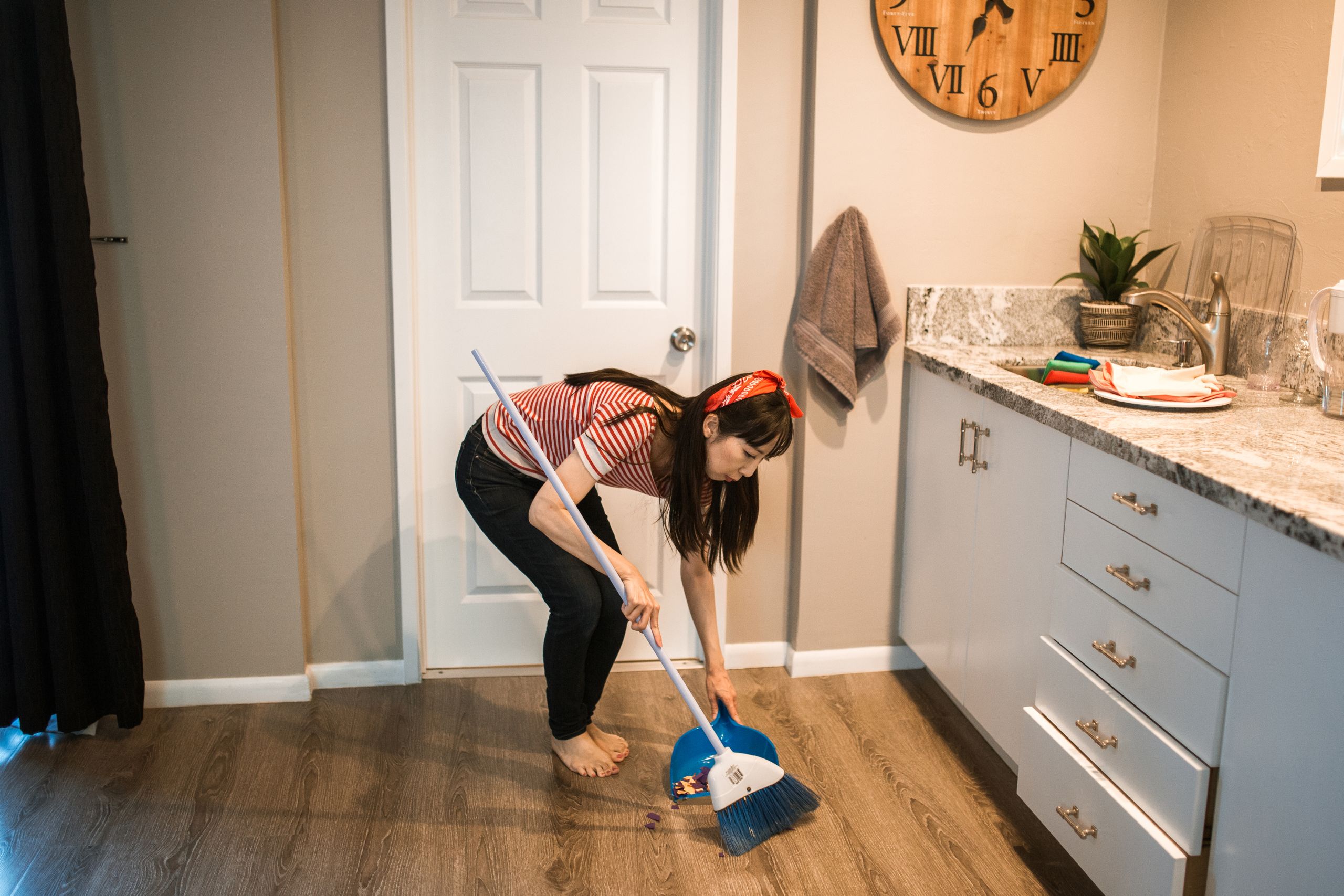
Imagine two people returning home after eight hours at work. One sits on the couch while the other starts cooking dinner, washing dishes, folding laundry, and planning tomorrow’s meals. For generations, many American households were familiar with arrangements like this.
Today, some single women want a different division of responsibilities. They expect a partner who notices the overflowing trash can without waiting for instructions. Someone who understands that cooking dinner doesn’t automatically make cleanup somebody else’s problem.
Research shows why household fairness remains relevant. According to Pew Research Center, even in marriages where husbands and wives earned roughly equal amounts, women still spent more time on housework and caregiving. Historical research also documents longstanding differences.
A study published in Social Forces found that married women averaged 19.4 hours of housework weekly in 1995, compared with 10.4 hours for married men. The expectation of shared responsibility isn’t entirely new. But it remains an important conversation for couples deciding what an equal partnership should look like.
Personal Boundaries Don’t Disappear After the First Date
Dating someone doesn’t mean surrendering your entire personal life. You can love your partner and still want time with friends, separate hobbies, and occasional evenings alone. Some modern women also expect respect for digital privacy.
That means being in a relationship doesn’t automatically give someone the right to read private messages or demand every password. And this isn’t just an imaginary dating concern. A Pew Research Center survey found that 70% of American adults considered looking through a partner’s phone without their kn