


The post Simon Cowell Isn’t the Only Star Who Ditched the Smartphone — What These Celebrities Say Changed first appeared on Crafting Your Home.
For most people, leaving a smartphone behind is difficult. It handles calls, messages, navigation, banking, entertainment, and social media, often from the same device. Yet a small group of celebrities has chosen to limit that constant connection, and some have stopped carrying smartphones altogether.
Simon Cowell is one of the most recognizable examples. The television producer and talent-show judge has spoken several times about life without a regular mobile phone, saying the change helped him focus more and become more aware of the people around him.
He is not the only celebrity to make that choice. Ed Sheeran, Woody Harrelson and Christopher Walken have also described periods of living without a conventional smartphone or mobile phone. Their reasons are not identical, but a common theme runs through their accounts: they want more control over when they are reachable.
Simon Cowell
Cowell revealed in 2018 that he had gone 10 months without using his mobile phone. He said the change had made a noticeable difference to his quality of life, particularly because he felt more aware of the people around him and more focused.
Two years later, Cowell told Entertainment Tonight that he had been without a cell phone for three years. He described one reason for the decision as the sheer volume of messages he could wake up to. On one occasion, he said he had 52 unread messages and realized that answering them could create another stream of replies.
Cowell’s experience is therefore less about rejecting communication altogether than removing the expectation of being continuously available.
Ed Sheeran
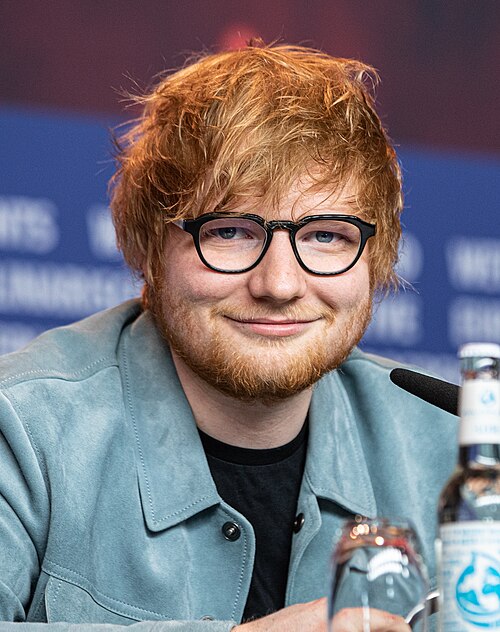
Ed Sheeran has taken a similar approach, although his system is somewhat different. In a 2024 interview on Therapuss with Jake Shane, Sheeran said he had not had a phone since 2015. He explained that his old number had accumulated thousands of contacts after he became famous, leaving him in a constant stream of conversations and creating an expectation that he should respond.
Sheeran said he eventually replaced the phone with an iPad and moved his communications to email, which he said he checks much less often. He also described feeling that constant phone use was taking attention away from real-life interactions.
His arrangement illustrates an important point about so-called digital detoxes: the goal does not always have to be zero technology. Instead, it can mean moving communication to a less immediate platform.
Woody Harrelson
Actor Woody Harrelson has also spoken openly about giving up his mobile phone. In 2024, Harrelson said on the podcast Where Everybody Knows Your Name that he had gone without a cell phone for more than three years. His concern was not that phones were inherently bad, but that he did not want to be available to other people at any time.
Harrelson described an earlier attempt to control his use by setting a two-hour daily limit. He found that the time could disappear quickly, particularly because much of his phone activity involved text messages.
He also recalled reaching for his phone during dinner when the conversation paused. Eventually, removing the device became his preferred way of avoiding that habit.
Christopher Walken
Christopher Walken represents an even more unusual version of the phone-free lifestyle. In a 2022 Vanity Fair interview, Walken said he did not carry a cell phone or use a computer. He explained that when he needed something that required a computer, he could ask someone else for help.
Walken’s approach is difficult for many people to reproduce because his professional and personal circumstances are unusual. Still, his example demonstrates that a smartphone is not an absolute requirement for participating in modern life.
His experience also highlights the difference between not owning a device and not knowing how to use technology. Walken acknowledged using computers when necessary; he did not keep one as a constant personal tool.
Sarah Jessica Parker Took a Different Approach
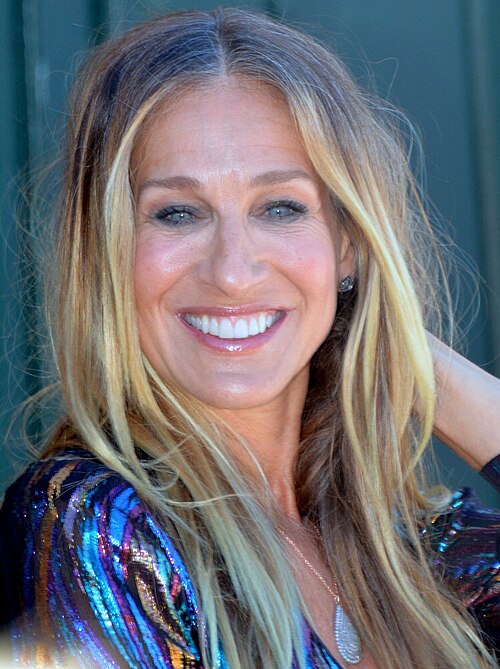
Some celebrities have also experimented with going without a mobile phone rather than adopting a permanent phone-free lifestyle.
In a 2013 interview, Sarah Jessica Parker said she did not own a cell phone and preferred email. Her explanation was practical: she found email easier to manage around her work schedule and preferred handling messages on her own terms.
Is Giving Up a Smartphone Better?
The celebrity examples do not establish that living without a smartphone is objectively better. They show that some people find fewer digital interruptions useful. For many people, the device provides genuine benefits. It can provide access to work, emergency services, maps, financial services, healthcare information, and communication with family. For someone who depends on those functions, completely giving up a smartphone could create new problems.
Reducing smartphone use differs from eliminating smartphones. A person could turn off most notifications, remove particularly distracting apps, leave the phone outside the bedroom, or establish periods when the device is kept out of reach. These measures address some of the same behaviors described by Cowell, Sheeran and Harrelson without requiring a complete break from modern technology.
Could You Live Without a Smartphone?

The celebrities who have done it suggest that the answer depends largely on how a person uses the device.
For Cowell, the attraction appears to be escaping the constant flow of messages. For Sheeran, it was reducing the pressure to respond and recovering space for face-to-face interaction. Harrelson focused on not being continuously available, while Walken has avoided making personal digital devices central to his routine.
Their experiences are personal, not prescriptions.
What they do show is that being reachable at every moment is a choice, not an unavoidable feature of communication. A smartphone can make communication easier, but it can also make communication continuous.
For people who feel that distinction has disappeared, the celebrity examples offer several possible alternatives: a basic phone, email-only communication, scheduled phone checks, fewer notifications, or simply leaving the smartphone in another room.
The more useful question is whether smartphones are good or bad. The way we use them may leave enough room for the activities and relationships we actually value.
Other Posts You Might Like
- 6 Popular Self-Improvement Lies That Are Secretly Holding You Back
- 9 Things You Should Never Tell People Until They’re Done
- America Doesn’t Just Have a Loneliness Crisis, It Has a Lovelessness Crisis: 8 Reasons Why
- The 3PM Crash Is Lying to You
If you like what you just read, then subscribe to our newsletter and follow us on social media.


