

A devastating child abuse investigation in Gainesville, Florida, has taken a dramatic legal turn after a 2-year-old girl died from injuries that authorities say were the result of severe and prolonged violence.
What began as a medical emergency inside a private home quickly transformed into one of Alachua County’s most serious criminal cases. Deputies initially responded to reports of an unresponsive toddler, but within hours, the situation shifted into an active child abuse investigation.
Days later, after the child’s death, the case escalated again, with prosecutors upgrading charges to second-degree murder.
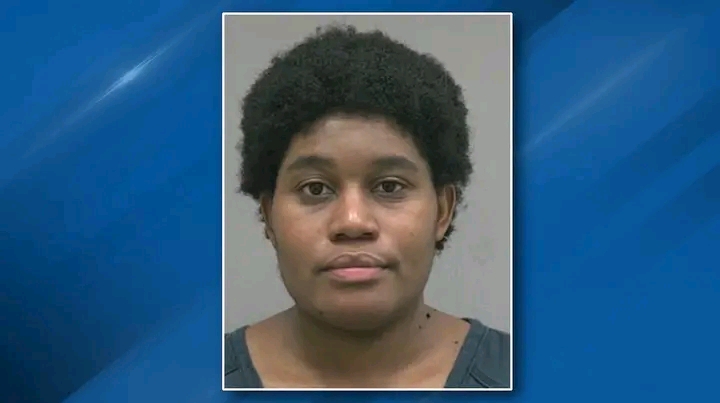
At the center of the case is 29-year-old Jessica Wilson, who remains in custody without bond. Law enforcement officials allege that the injuries inflicted on the child were so severe that they triggered seizures before emergency responders even arrived.
The Critical Timeline That Changed Everything
The case reportedly began on the night deputies were called to a residence in the Tower Oaks area of Gainesville. A witness inside the home told investigators that Wilson suddenly brought her daughter out. At the same time, the child was unresponsive, and immediately began CPR efforts, which were initiated as emergency services were contacted.
That moment marked the beginning of a chain reaction. Paramedics rushed the child to UF Health Shands Hospital, where trauma teams documented injuries consistent with severe blunt force trauma. Medical staff reportedly identified skull fractures alongside widespread bruising across the child’s head, chest, and back.
Over the following days, doctors attempted to stabilize the toddler’s condition in intensive care. Despite those efforts, the injuries proved fatal, and the child later died in the hospital.
Allegations Reported By Investigators And Witness Accounts
According to investigative summaries cited in local reporting, Wilson allegedly admitted during questioning that she struck the child and used physical force, including punching and stomping. Authorities also reported that she made statements indicating frustration with the child’s behavior at the time of the incident.
A witness in the home played a central role in the emergency response. Reports indicate that the witness was awakened during the incident and immediately began CPR on the child before emergency personnel arrived. That intervention became a crucial bridge between the moment of injury and the arrival of first responders.
Why The Medical Findings Became Legally Significant
In cases involving child fatalities, medical documentation often becomes the backbone of the prosecution’s argument. In this case, reported findings of skull fractures and extensive bruising across multiple areas of the body significantly influenced how authorities classified the charges.
When medical teams observe injuries in different stages or across multiple regions of the body, investigators often consider whether the harm was consistent with a single incident or repeated trauma. That distinction can affect whether charges remain at aggravated abuse or escalate into homicide classifications.
The child’s deterioration in hospital care over several days also reflects the severity of the injuries. Despite intensive medical intervention, the trauma was not survivable.
The Legal Threshold Behind Second Degree Murder Charges
Florida law treats second-degree murder as a charge that does not require proof of premeditation, but instead focuses on conduct that demonstrates a depraved disregard for human life.
In cases involving child victims, prosecutors often argue that repeated or extreme violence against a vulnerable dependent meets that threshold. The legal focus typically shifts toward whether the accused’s actions created a foreseeable risk of death, even without explicit intent to kill.
As the case moves forward, prosecutors are expected to rely on a combination of medical evidence, witness testimony, and alleged statements made during police interviews. Defense counsel, meanwhile, will likely challenge intent, context, and interpretation of the physical evidence.
The Human Impact Behind The Legal Case
Beyond the courtroom filings and police reports, this case reflects a deeper and more difficult reality about child vulnerability. A 2-year-old child exists entirely within the protection of caregivers, and when that protection fails, the consequences are immediate and irreversible.
The presence of an intervening witness, the rapid arrival of emergency services, and the intensive hospital response all point to a system that activated quickly once the situation became visible. Yet the injuries had already reached a critical threshold before help could change the outcome.
Gainesville Case In Broader Child Protection Context

Florida’s child protection framework relies heavily on early reporting. Teachers, medical professionals, childcare workers, and many other categories of adults are legally required to report suspected abuse.
The system is designed to intervene before injuries become fatal. However, cases involving private residences and informal caregiving arrangements often present the greatest challenge, because they can remain hidden until an emergency occurs.
What Happens Next In Court
The case will proceed through the Alachua County judicial system, where formal hearings will determine the strength of the evidence and whether the charge remains second-degree murder through trial.
Key evidence is expected to include medical examiner findings, hospital records, witness testimony from inside the home, and statements allegedly made during police questioning. Each of these elements will be examined under strict legal standards of admissibility.
The timeline leading up to trial may include motion hearings, evidentiary disputes, and potential plea negotiations, though no resolution has been announced yet.
Final Reflection On A Preventable Tragedy
This case stands as a stark reminder of how quickly a child protection situation can turn irreversible. A routine night in a shared home setting escalated into an emergency response, then into intensive medical intervention, and ultimately into a homicide investigation.
The legal process will determine accountability. The medical evidence will define causation. And the court will decide the outcome.
But at the center of every filing and charge remains a child whose life ended far too early, leaving behind a case that will likely continue through the courts long after the headlines fade.


