


Sam Bankman-Fried built his empire by selling confidence. Confidence in crypto. Confidence in genius. Confidence in a young billionaire who looked less like a Wall Street shark and more like a sleep-deprived mathlete who had somehow cracked the future of money.
Now the future looks very different. The former FTX chief is no longer pitching investors, charming lawmakers, or sitting near the center of the crypto universe. He is speaking from a federal prison, where he is serving a 25-year sentence, and signaling that he would welcome a presidential pardon from Donald Trump.
That is what makes this story bigger than one prison interview. This is not just about a disgraced crypto founder asking for mercy. It is about how powerful people still seek a final escape route after the courtroom door closes.
The punishment was severe, but the public wound was deeper.
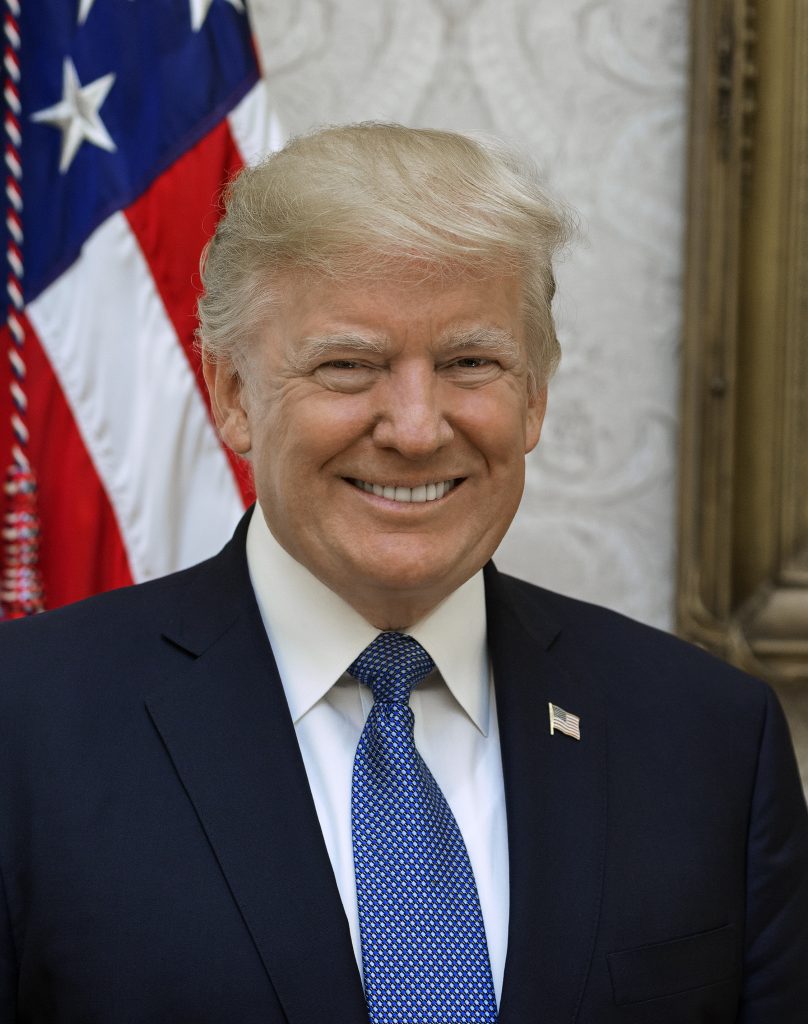
Bankman-Fried’s fall has already become one of the defining financial scandals of the crypto era. FTX collapsed in 2022, his public image shattered, and a jury later convicted him of fraud and conspiracy charges tied to the misuse of customer funds. The punishment was severe, but the public wound was deeper than the sentence because FTX had sold itself as smarter, cleaner, and safer than the old financial world it claimed to replace.
That is why the pardon feels so uncomfortable. A pardon does not simply soften a sentence. It can reshape the moral meaning of a case and turn a convicted executive into a political question, making millions of Americans wonder whether punishment works differently when the defendant is famous enough, rich enough, or connected enough to reach the White House conversation.
The sharper story is that his case sits at the intersection of crypto money, political power, public memory, and the American habit of giving fallen elites one more chance to explain themselves.
Defend His Version of Events
From prison, Bankman-Fried has continued to defend his version of events. That matters because remorse and reinvention are not the same thing. A public apology says one thing. A public campaign to reframe the scandal says another. His latest posture suggests he is not only seeking mercy. He is still fighting for control of the story.
That fight matters because stories are powerful in white-collar scandals. The public may forget technical charges, balance-sheet details, and bankruptcy procedures. They remember the image, the hoodie, the hair, the Bahamas, the celebrity endorsements, the political donations, and the collapse that made crypto skeptics say, “We warned you.”
A pardon plea enters that memory like a match near dry grass. Supporters can argue that his sentence was too harsh, especially if customers recover more money than expected through bankruptcy proceedings. Critics can respond that fraud is not erased just because accountants and lawyers later recover value from a wreckage site.
Both arguments will travel because the case sits in a moral gray zone Americans love to fight over. That is what makes the Trump angle so powerful. Bankman-Fried was once associated with major political giving that leaned heavily toward Democrats. Now, the possibility of a Trump pardon creates a strange reversal, shifting the story into a new political lane. The same man, once viewed as a progressive donor figure, is now tied to the clemency power of a Republican president.
That twist gives the story a sharper political bite
That twist gives the story a sharper political bite. It raises an uncomfortable question about whether ideology matters less than access when freedom is on the line. In public, politics often sounds like loyalty, values, and principles. In clemency fights, it can look more like a strategy.
The White House does not need to grant the pardon for the story to matter. The request already shows how a convicted financial figure can still command national attention from behind bars. It also shows how elite punishment can become a lobbying project, a media campaign, and a test of presidential judgment.
That is the part ordinary readers will feel most strongly. Most people do not get to repackage their worst mistake as a national debate. They do