

MOORPARK, Calif. As familiar storefronts disappear, one small restaurant in Ventura County offers a place for people to linger, greet neighbors, share food, and support local businesses.
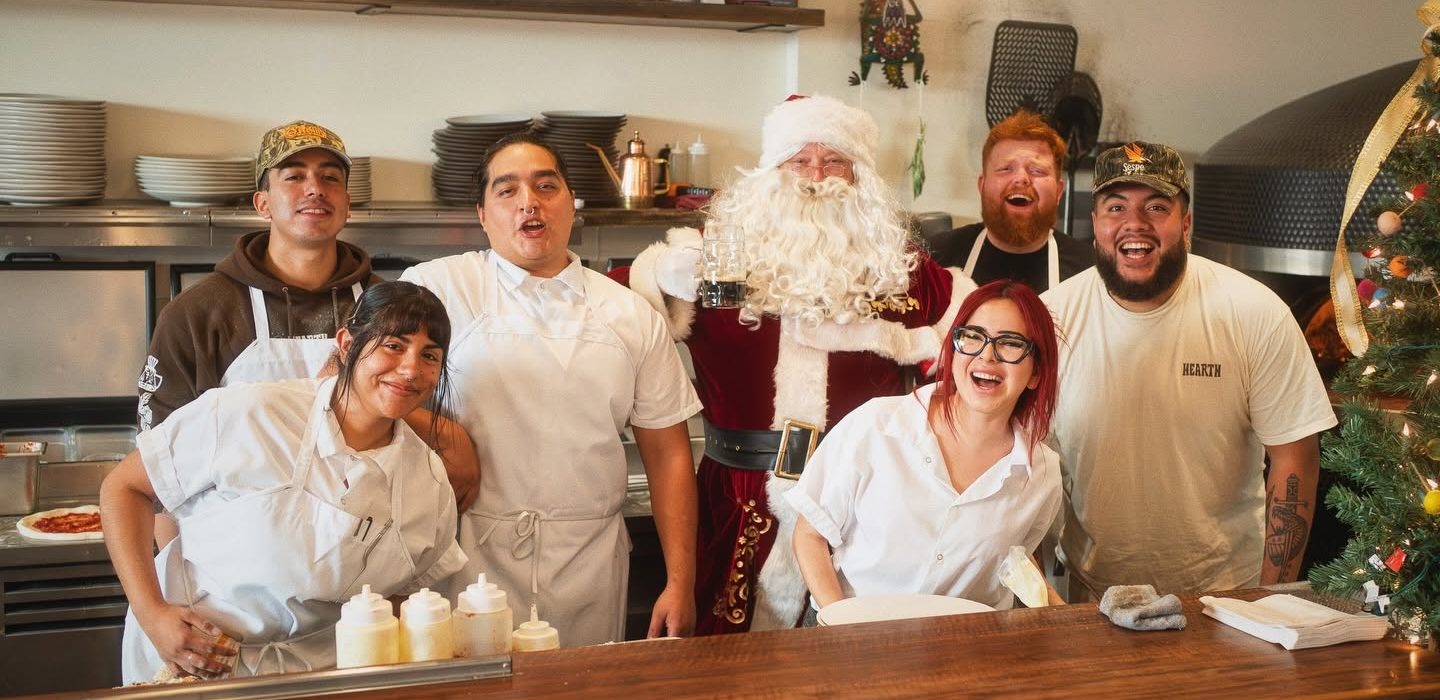
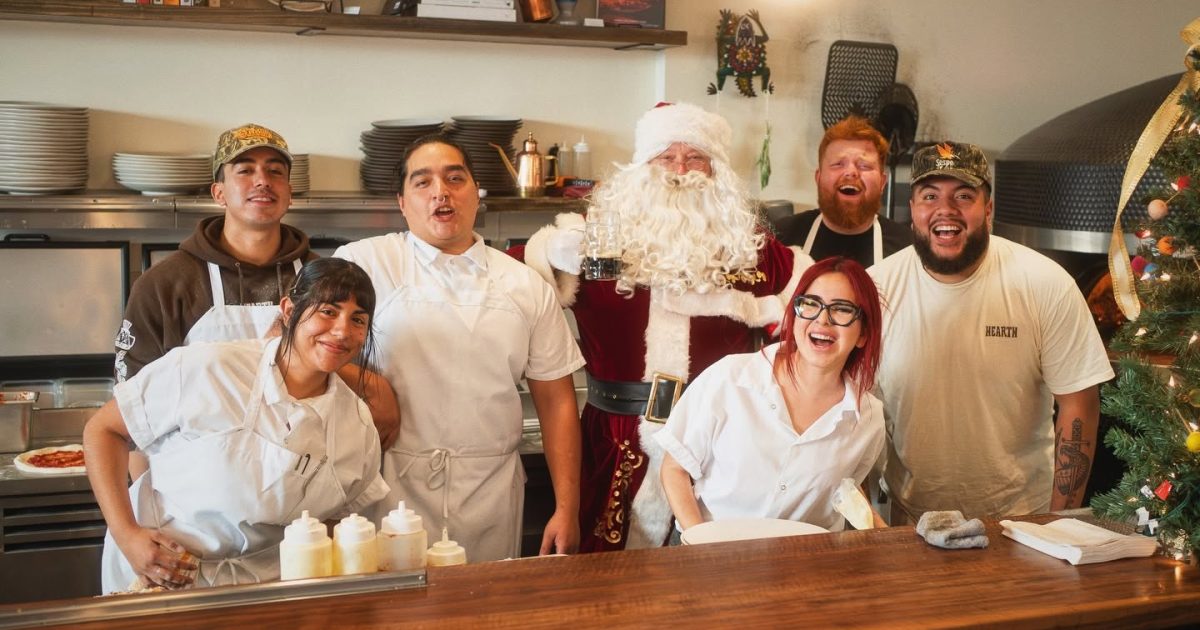
Hearth Restaurant & Coffee, in The Alley in Moorpark, is now a neighborhood gathering space at the heart of daily community life. The restaurant began with a family dream, a friendship, a wood-fired oven, and the belief that business can feel personal. Hearth shows that local commerce is about identity, memory, and connection.
A small restaurant with a big local heartbeat.

Hearth at 330 Zachary Street serves coffee, pastries, lunch, wine, and dinner Tuesday through Saturday. Hearth fits the rhythm of the day.
Customers visit Hearth throughout the day for coffee, lunch, and dinner, making it part of the city’s routine.
The restaurant describes itself as a community-rooted space built around quality food, coffee, wine, and hospitality. Its menu leans into coffee and pastries by day, then Latin-inspired wood-fired pizza, wine, and seasonal bites by night. Hearth aims to make people feel welcome immediately.
Moorpark is growing, but locals still want character
Hearth’s rise matters because of where it is happening.
Moorpark, like many California cities, balances growth and development with the desire to keep its small-town feel.
The city’s economic development office says it works to attract, retain, and grow businesses while revitalizing the historic downtown. Moorpark has also taken steps in past years to protect the look and feel of its unique commercial areas, including rules related to chain-store aesthetics on High Street.
That makes Hearth’s story especially relevant. The restaurant is not a chain trying to copy the same design from another market. It is a local concept shaped by the people behind it, the community around it, and the neighborhood it serves. Hearth offers a useful example that cities can grow without losing their character if growth is guided by people who care about their community.
A family dream, a friendship, and a table big enough for strangers
Hearth was opened by Sebastian and Kellie Fernandez, along with their friend and business partner, Sergio Chavez. Regional food coverage traced the restaurant’s roots to April 2025, when the team opened the brick-and-mortar space in The Alley after what had originally been a longer-term dream.
That detail gives the story its emotional weight.
For small-business owners, opening a physical space is a personal risk with hopes for community support. At Hearth, the owners have framed the restaurant around warmth and welcome. In a local television feature, Sebastian Fernandez described the feeling they wanted as something like a backyard barbecue, where familiar and new faces can share an easy atmosphere.
That vision matters because restaurants are among the few public places where Americans still naturally practice community. People may disagree online all day, then sit three tables apart at a neighborhood restaurant and order from the same menu. They may not know one another, but they are part of the same local story. Hearth appears to understand that emotional role. It is selling food, but it is also selling belongings.
The menu brings together culture, comfort, and intention.
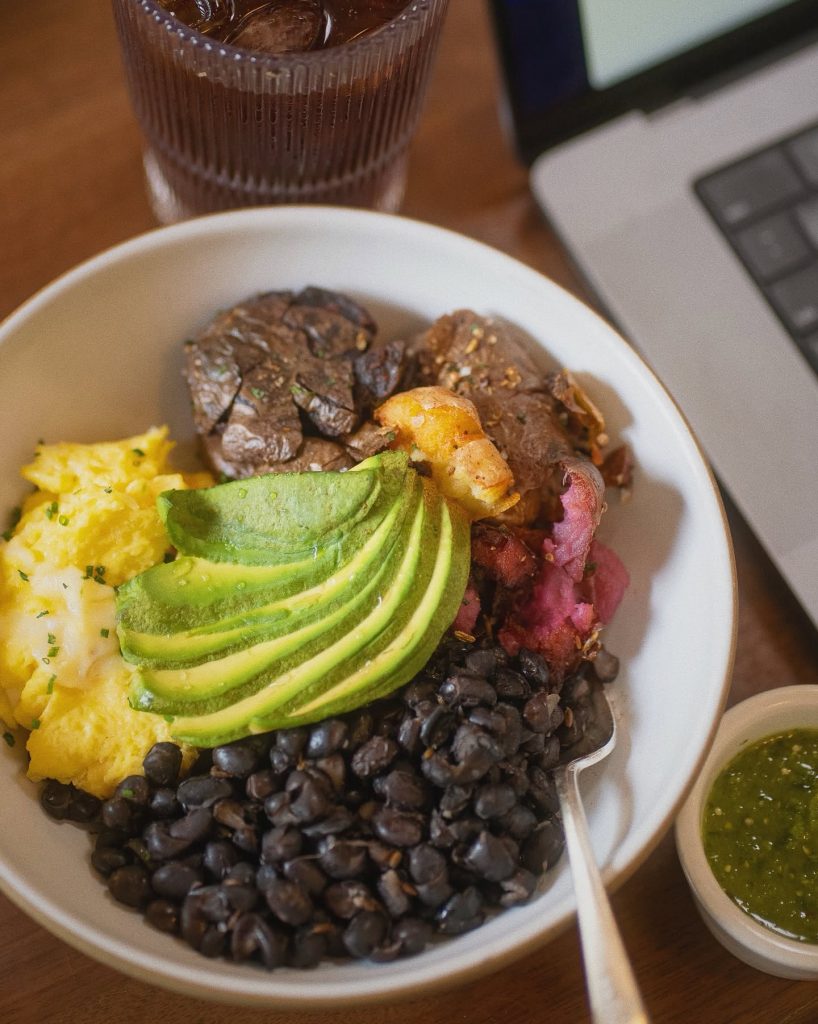
Hearth’s menu blends Mexican, Venezuelan, and Italian-inspired flavors, with wood-fired pizza as one of its central attractions. The restaurant’s official materials describe a focus on locally sourced ingredients and food made with intention. The menu includes sourdough pizzas, small plates, pastries, coffee, tea, desserts, and drinks. Its online ordering page lists items such as signature coffee drinks, pastries, sourdough pizzas, small plates, and desserts.
That mix gives the restaurant a broad appeal. It can serve the person who wants a morning coffee, the family looking for dinner, the couple booking a casual night out, and the friend group searching for a relaxed local spot. The wood-fired pizza gives Hearth an anchor, but the broader menu gives it flexibility. The restaurant is not locked into one narrow identity. It feels part coffeehouse, part wine bar, part neighborhood restaurant, and part gathering space.
Why locals connect with places like Hearth
The emotional pull of Hearth is bigger than pizza.
Across the country, many communities are dealing with the loss of familiar small businesses. Some close after rent hikes. Others struggle with construction disruptions, staffing costs, crime concerns, supply costs, or shifting customer habits. Even when the causes vary, the result can feel the same: a town loses another place where people once gathered.
That is why a restaurant like Hearth can resonate beyond Moorpark. It represents the kind of local business many Americans say they want to support before it is gone. A small restaurant adds texture to a city. It gives residents a place to celebrate birthdays, meet friends, take parents to lunch, bring a date, or sit alone with coffee and feel less alone. Those moments may not show up in economic reports, but they shape how people experience a city.
Hearth’s appeal appears to come from that human layer. The vintage art, greenery, music, coffee, wine, and wood-fired food all work together to create a mood. But the deeper draw is the idea that someone built the room with care.
A local business story with regional meaning
For Moorpark, Hearth’s growth adds another piece to the city’s evolving business identity.
The city’s business development goals point toward growth, but also toward preserving the character that makes Moorpark distinct. That balance is one of the defining challenges for many American communities. Too little investment can leave local corridors tired and underused. Too much generic development can make one city feel like every other city.
Businesses like Hearth offer a middle path. They bring activity, jobs, meals, foot traffic, and local pride without erasing the place’s feel. In that sense, Hearth is not just a story about a restaurant. It is a local development story. It is a reminder that the strongest local economies are not built only by big employers or national brands. They are also built by owners who remember customers, hire locally, support nearby suppliers, and give residents a place to gather.
The bigger question: what do we lose when local places disappear?
Hearth’s story lands at a moment when many Americans are thinking differently about local life.
Convenience has changed how people eat. Delivery apps have changed how people order. Remote work has changed daily routines. Rising costs have changed how often families dine out. But even with all that change, the hunger for real community has not gone away.
That is what makes a place like Hearth feel timely. A restaurant cannot solve every problem facing small businesses. It cannot stop inflation, fix commercial rents, or reverse every closure. But it can do something powerful on a smaller scale: make people care about where they live. When residents choose a local restaurant over a faceless option, they are doing more than buying dinner. They are helping decide what kind of city they want to have.
A hidden gem worth watching
Hearth Restaurant & Coffee is still a young business. Still, it already brings together a family-run operation, an unusual blend of culinary influences, a clear neighborhood identity, and an emotional promise beyond the menu.
For Moorpark, it shows what small-business growth can look like when rooted in community rather than scale alone. For customers, it is a place to eat, drink, talk, and reconnect.
For other towns watching their own Main Streets change, it is a reminder that the most meaningful local businesses are not always the loudest. Sometimes they are tucked away in a small corner, glowing warmly at night and feeding people one pizza at a time. Sometimes, that is enough to make a city feel more like home.
Read the original article on Crafting Your Home


