Remarkable Medical Breakthroughs Shaping a Healthier Tomorrow
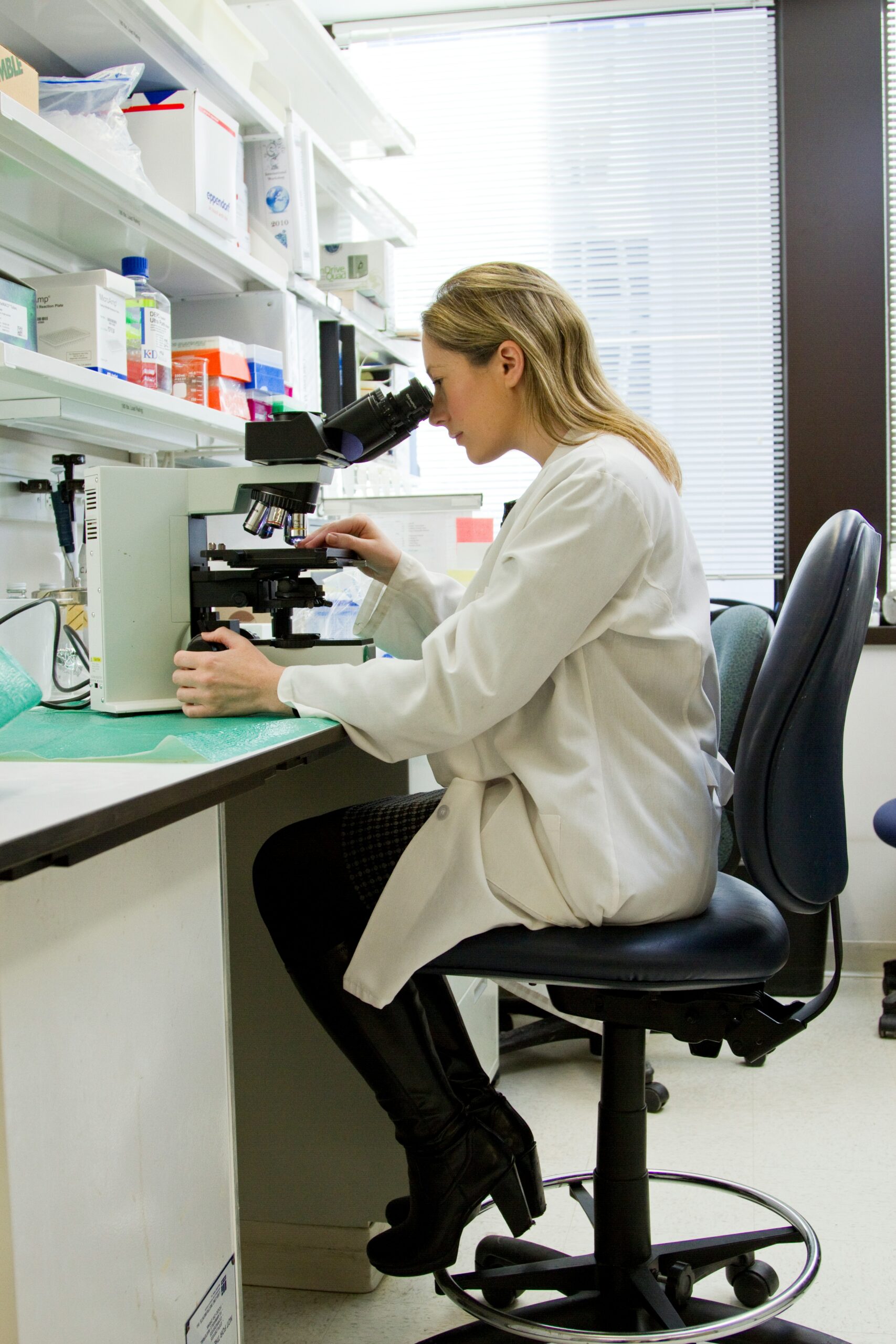
The future of medicine is evolving faster than ever, with revolutionary ideas set to change healthcare. From artificial organs to AI-powered diagnostics, the possibilities seem endless.
In this article, we explore futuristic medical innovations that could soon become reality, changing how we treat common health problems and enhancing the human lifespan.
BiVACOR: The Artificial Heart of Tomorrow
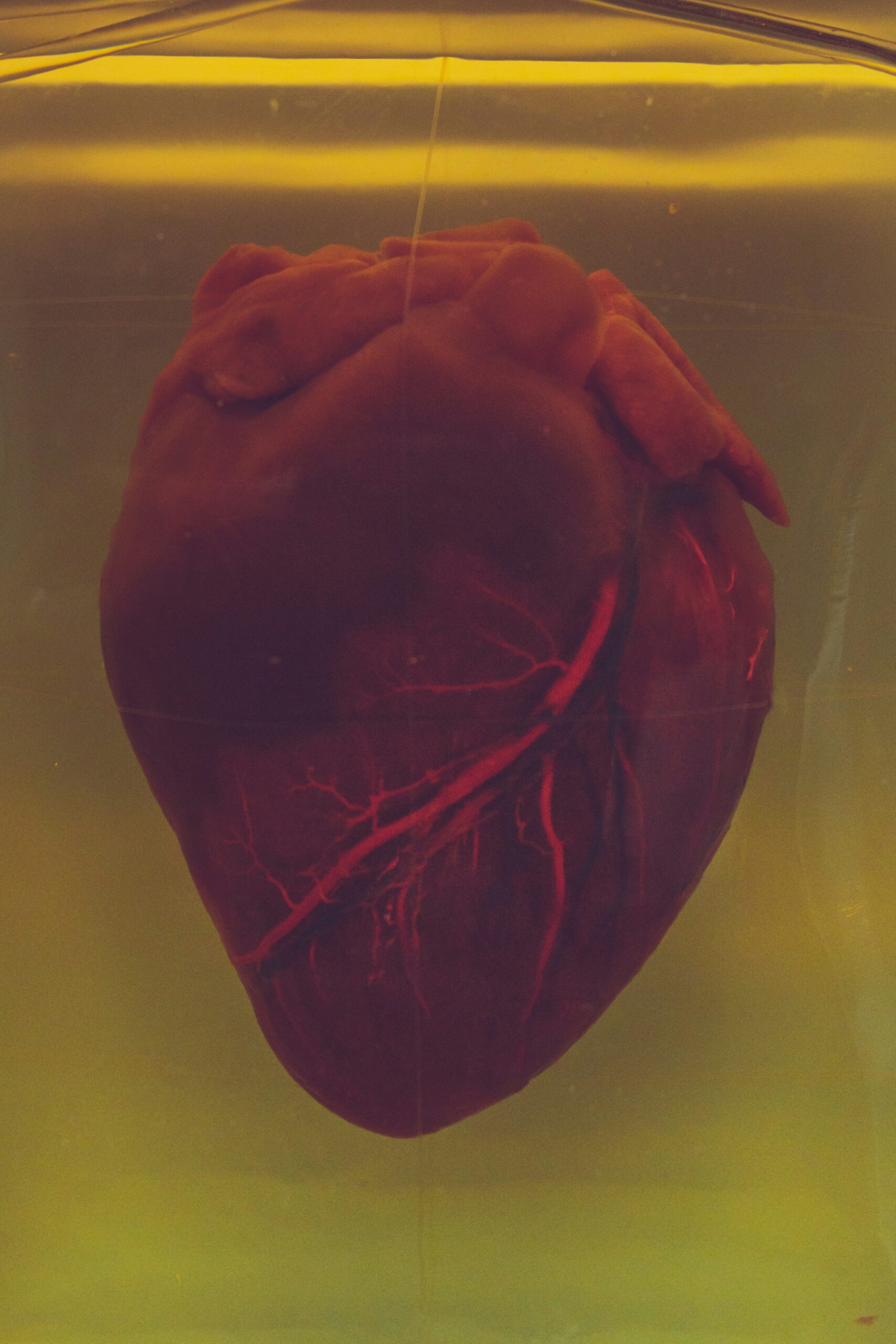
One of the most significant medical developments in recent years is the creation of the BiVACOR, a titanium heart designed to replace traditional heart transplants. Unlike other artificial hearts that require multiple moving parts, BiVACOR uses a magnetically suspended rotor to pump blood with minimal wear.
This technology delivers a lifeline to millions suffering from heart failure, acting as both a temporary and potentially permanent solution.
Currently, it operates as a stopgap for patients awaiting transplants, but researchers hope it will eventually replace the need for donor hearts, significantly boosting quality of life and survival rates.
AI-Driven Heart Disease Detection
AI has made its mark in healthcare by improving diagnostic accuracy plus efficiency. One of the most effective applications is heart health. A model named PanEcho, developed by researchers, analyzes echocardiograms to detect heart disease quickly and accurately.
Trained on nearly 1 million echocardiographic videos, this AI system is already showing impressive results. It helps clinicians assess heart conditions with finer precision, reducing the time needed to analyze heart health and supporting timely interventions.
Brain Chips: Decoding the Mysteries of the Human Mind
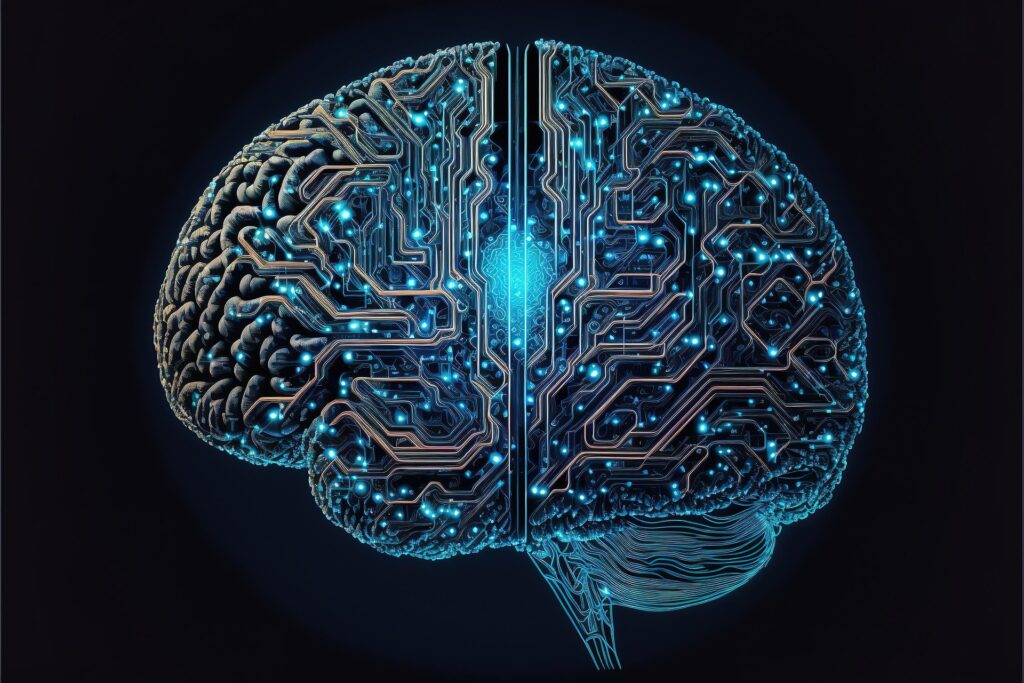
Brain-computer interfaces are no longer merely science fiction. Harvard scientists have developed a soft, stretchable bioelectronic device that can be implanted in the brain’s neural plate, providing unprecedented insights into brain activity.
This technology could enable doctors to track the development of mental health conditions such as schizophrenia or bipolar disorder from their earliest stages, creating new pathways for diagnosis and treatment.
As this innovation matures, it could allow immediate monitoring of brain function, leading to revolutionary findings in neuroscience and mental health care.
Regrowing Teeth with Bioengineered Cells
Visualize a world where we can regrow lost teeth without relying on implants. Thanks to the work of Tufts University scientists, this future is nearer than ever. By combining human and pig cells, researchers have initiated the growth of human-like teeth in pig jawbones.
These bioengineered teeth offer benefits over traditional dental implants, including better cushioning and sensory feedback. If this investigation advances, it may revolutionize dental care, allowing people to regrow their teeth naturally.
Wearable Robots: Restoring Autonomy to Those with Neurodegenerative Diseases
For those suffering from neurodegenerative diseases such as ALS or Parkinson’s disease, everyday tasks can become impossible challenges. Enter wearable robots. Researchers at Harvard have developed soft, robotic exoskeletons to assist with upper-body movements, enabling people to regain independence. Using machine learning, these devices provide personalized assistance tailored to each patient’s needs, offering hope for rehabilitation and improved quality of life.
Hydrogels: The Future of Gut Health
When treating gastrointestinal issues, hydrogels are leading the way. These gelatin-like materials absorb water and slowly release medications into the bloodstream. Recently, researchers developed a new artificial mucus-inspired hydrogel that resists stomach breakdown, making it ideal for healing ulcers and other gut injuries.
This technology may revolutionize treatments for gastrointestinal conditions, granting a gentler, more effective solution for patients.
Bioelectronic Pacifier: Monitoring Infant Health in Real-Time

Keeping track of a baby’s health, especially in intensive care units, can be a challenge. Georgia Tech’s bioelectronic pacifier is a major innovation. This pacifier is embedded with sensors that monitor a baby’s electrolyte levels and general health in real time.
It provides a non-invasive, continuous way to track infant health without painful blood draws or bulky equipment. This pacifier could become a standard tool for monitoring babies in neonatal intensive care units, offering parents and healthcare professionals peace of mind.
Conclusion
The clinical developments discussed above are only a preview of the future of healthcare. As technology advances, the potential to improve human health and longevity grows exponentially. From AI-powered diagnostics to bioengineered organs, the next generation of medical treatments promises solutions to some of the most persistent health challenges of our time.
As research moves forward and these cutting-edge ideas become reality, we can look forward to a healthier, longer life.
Read the Original Article on Crafting Your Home