Religious Beliefs That Have Changed Throughout History: 10 Powerful Shifts That Reshaped Faith
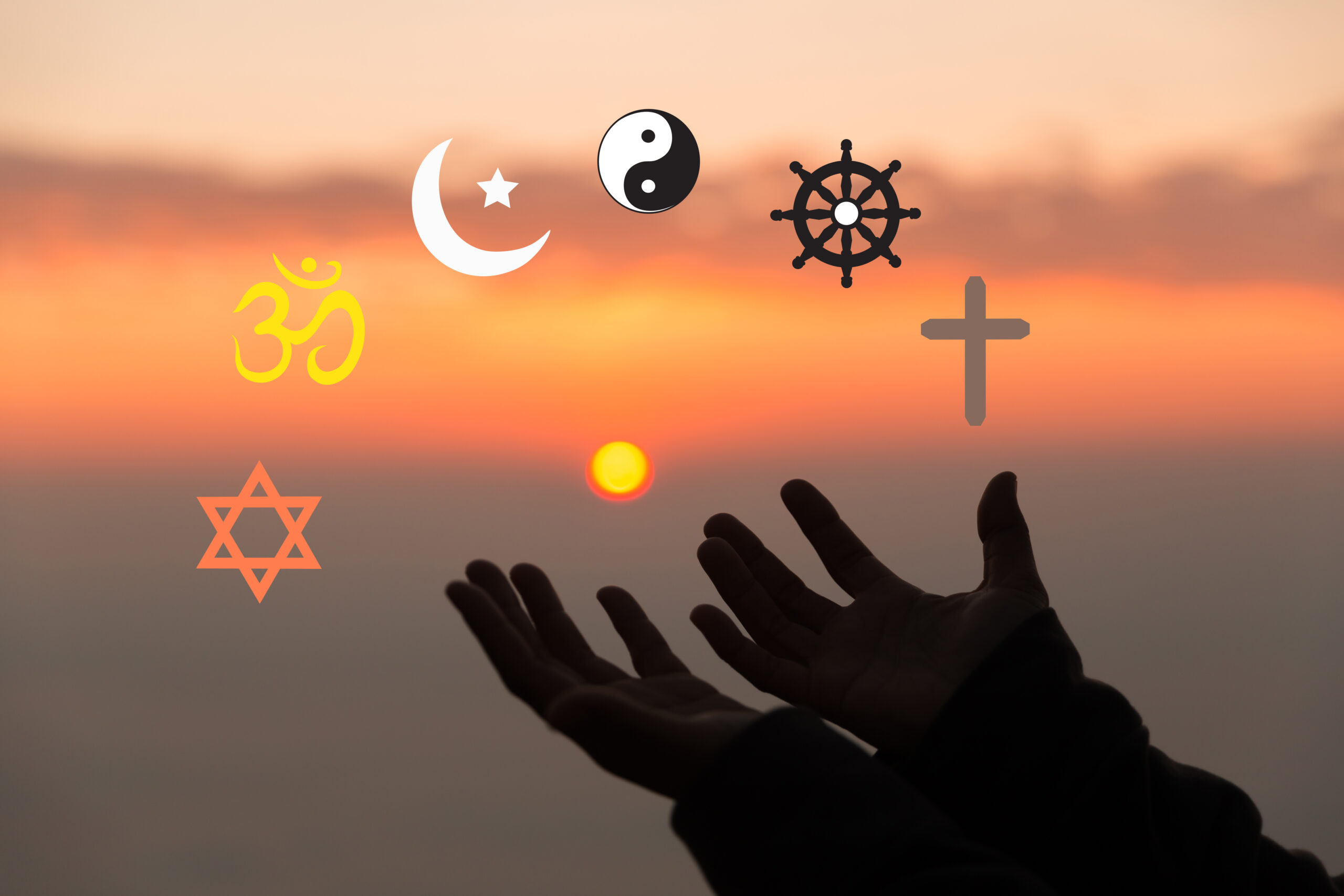
Religions do not exist in a vacuum. Across centuries, belief systems have repeatedly responded to political upheavals, scientific discoveries, migration, empire-building, moral revolutions, and cultural exchange.
Even when sacred texts remain fixed, interpretation evolves, often dramatically, as communities reinterpret their meanings to meet new realities.
Polygamy in Mormonism
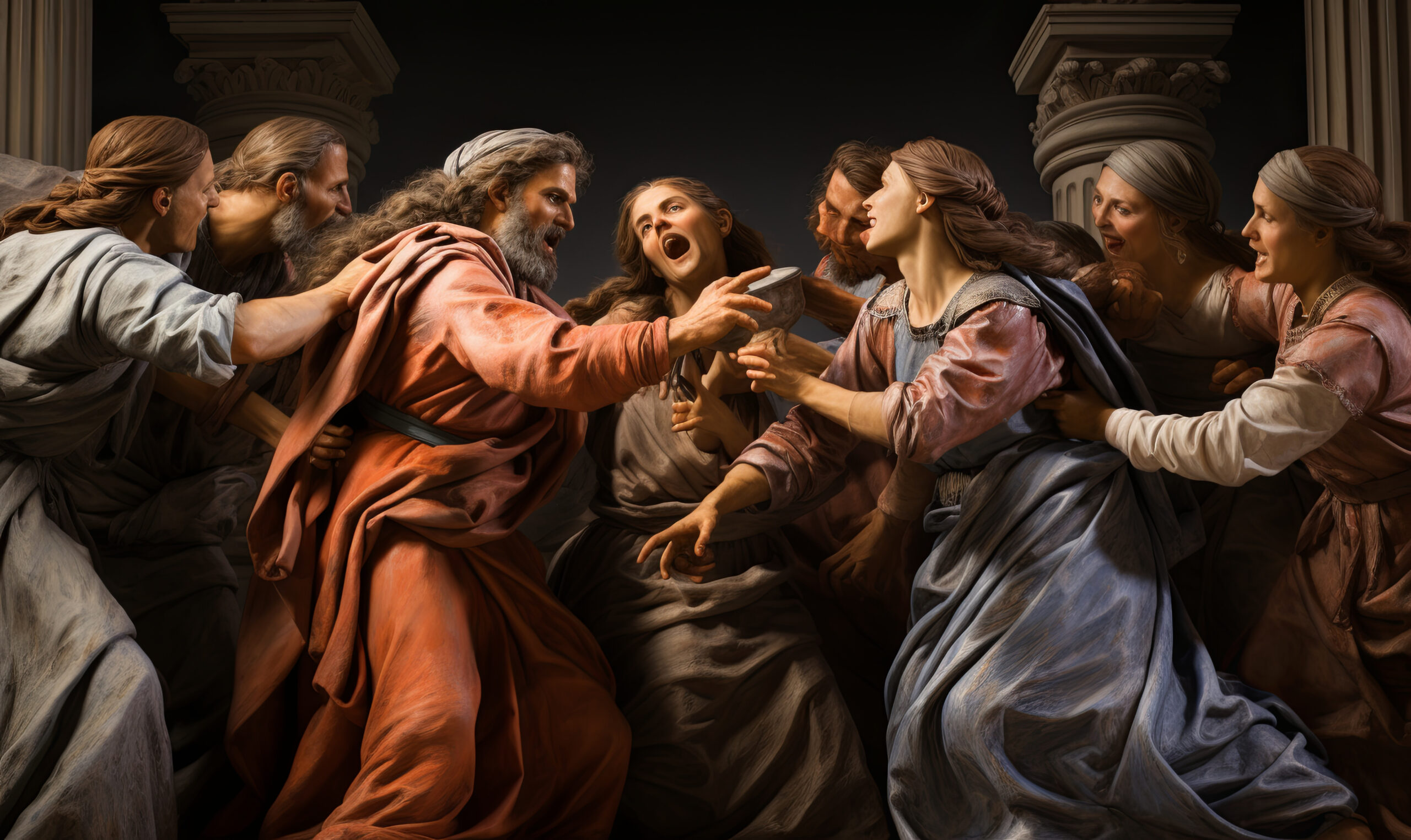
Few religious practices demonstrate historical change as clearly as polygamy in early Mormonism.
In the 19th century, plural marriage was introduced among certain Latter-day Saint communities and was framed as a restored religious principle tied to prophetic authority and biblical precedent.
Over time, however, this practice became a direct flashpoint between religious identity and modern nation-state law.
Mounting political pressure, legal prosecution, and the desire for institutional survival transformed the practice from a sanctioned religious expectation into an officially banned act.
Today, The Church of Jesus Christ of Latter-day Saints formally prohibits polygamy, treating it as grounds for discipline.
Yet splinter movements and fundamentalist groups continue to claim theological continuity, creating a lasting divide between mainstream LDS policy and polygamist offshoot sects.
Slavery as “God’s Will”
One of the most ethically significant shifts in religious history is the transformation of attitudes toward slavery.
In many ancient societies, slavery was embedded in economics, warfare, and domestic life, so religious texts often addressed it not by abolishing it, but by regulating it.
- Some believers interpreted slavery as part of a divinely ordered hierarchy.
- Others treated emancipation and compassion as spiritual virtues.
- Later reformers reframed slavery as an intolerable moral contradiction.
This tension appears across multiple traditions, where texts contain laws and assumptions rooted in their historical worlds.
Over centuries, interpretive frameworks changed, especially as global abolitionist movements gained momentum.
Many modern religious communities now treat slavery as fundamentally incompatible with human dignity, even when earlier societies normalized it.
Heaven and Hell
Modern religious imagination often assumes that heaven and hell have always looked the way they do today: angels, harps, golden gates, fiery pits, demons, and explicit eternal punishments.
- Early traditions often emphasized judgment, resurrection, or divine justice, without a detailed geography of the beyond.
- Later theological development filled in imagery through preaching, poetry, art, philosophy, and political messaging.
- As moral systems became more formalized, afterlife visions became more structured, with rewards for loyalty and punishments for rebellion.
Over time, heaven and hell became not only theological positions but social technologies, shaping behavior through hope and fear.
This also led to debates over whether punishment is eternal, symbolic, purifying, or conditional, differences still visible across denominations today.
The Number of Gods
- Local deities are tied to cities, rivers, crops, storms, and fertility.
- Household gods and protective spirits
- Regional high gods are considered supreme among other deities.
- Polytheism → many gods
- Henotheism → one supreme god above others
- Monolatry → worship of one god while acknowledging others
- Monotheism → denial of other gods’ reality or legitimacy
This transformation was influenced by cultural centralization, nation-building, theological consolidation, and conflict with rival religions. As religious identity sharpened, devotion narrowed into exclusive worship.
“How Many Gods Can We Worship?” Shared Worship and Religious Blending
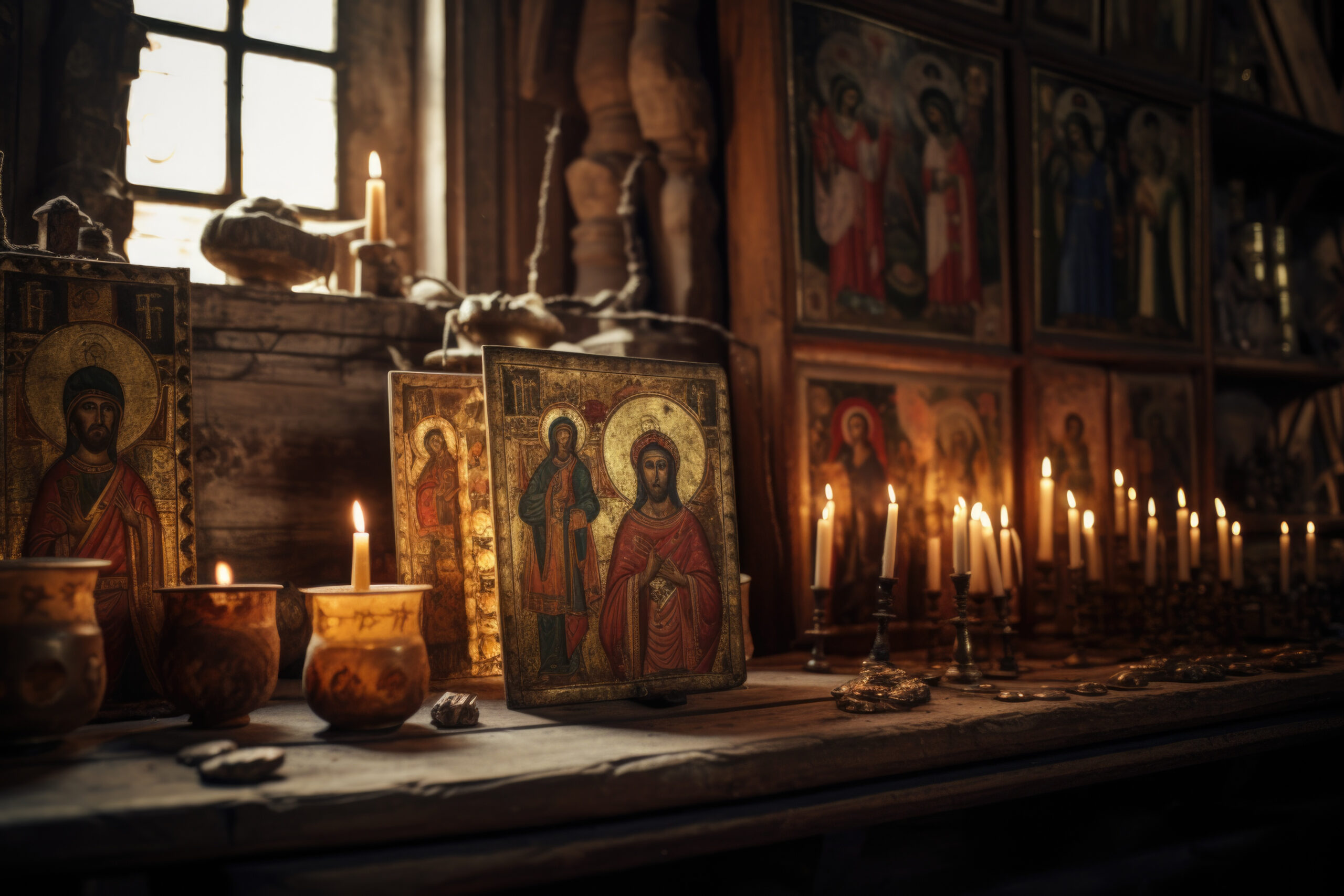
Religious history contains far more cooperation and overlap than modern labels suggest. Even when leaders insisted on strict doctrine, everyday people often practiced a more flexible spirituality.
- Dual worship across traditions
- Sacred site sharing
- Blended rituals
- Local saints absorbing attributes of earlier deities
- Festivals reinterpreted under new religious names.
This phenomenon, often called syncretism, appears across continents and centuries.
It commonly emerges during periods of conquest, migration, trade, and cultural transition, when full replacement of beliefs is rare. Instead, religious life may transform through gradual merging.
The Structure of the Universe
Cosmology is one of the clearest arenas where religious belief interacts with human observation.
For centuries, many societies assumed Earth was the center of the universe, not simply as science, but as a meaning: humanity positioned at the center of creation.
- Scripture was reread as metaphorical or theological rather than astronomical.
- Religious authority negotiated its role against scientific institutions.
- Faith traditions developed a new language emphasizing purpose over planetary placement.
This was not one sudden “collapse,” but a long negotiation between inherited worldview and expanding evidence.
The Image of Jesus
The visual portrayal of Jesus is one of history’s most powerful examples of religion adapting to culture. In reality, depictions reflect the societies producing them.
- A Middle Eastern Jewish teacher shaped by Roman-era Palestine
- A Roman imperial figure in triumphal iconography
- A European Christ in medieval and Renaissance art
- A figure localized in African, Asian, and Indigenous cultural contexts
These artistic traditions were not merely aesthetic choices. They often carried political meaning, belonging, power, legitimacy, and identity. As empires expanded, art helped “translate” faith into a familiar face for new audiences.
The Life of Jesus and Religious Storytelling
Religions frequently grow through storytelling that becomes richer across generations. Over time, theological claims can develop into detailed narratives that serve doctrine, devotion, and conversion.
As Christianity expanded through the Roman world, it entered a competitive religious environment full of miracle stories, divine births, sacred meals, salvific figures, and triumph-over-death motifs.
In such environments, communities naturally use familiar narrative structures to communicate meaning.
- Titles and symbols become standardized.
- Calendars absorb existing seasonal celebrations.
- Rituals gain new theological framing.
- Story elements emphasize universal relevance.
The result is a tradition that becomes more detailed and symbolically potent over time.
God-Kings and Divine Rulers
The idea that rulers possess divine status or divine sanction has appeared repeatedly in human history. In many civilizations, sacred kingship was not propaganda alone; it was a governing structure that fused religion and state.
- Monarchs are described as descendants of gods.
- Emperors were treated as semi-divine mediators.
- Royal rituals framed as cosmic necessities
- State identity built around sacred legitimacy
When modernity reshaped politics, especially after major wars and democratization, many societies re-evaluated divine monarchy. Some rulers formally renounced divinity; others shifted to symbolic spiritual status.
“Whatever Is Convenient”
One of the most enduring truths of religious history is that change often occurs not only in doctrine but also in everyday practice. Many ancient rules persisted in texts while fading in practice.
- Extreme punishments
- Ritual exclusions tied to purity laws
- Gender norms enforced by violence or isolation
- Strict clothing or dietary separations
- Tribal-era legal assumptions
- Practices incompatible with modern life
These changes did not always happen through official announcements. Often, they emerged gradually as moral conscience shifted, until what was once normal became unthinkable.
Conclusion
Religious traditions are not frozen artifacts. They are living systems, carried by humans who must respond to new ethical demands, new knowledge, and new forms of society.
When beliefs change, we are often witnessing history’s deepest negotiation: how communities preserve spiritual meaning while surviving cultural reality.