15 Reasons Why Raccoons Deserve VIP Access to Your Backyard
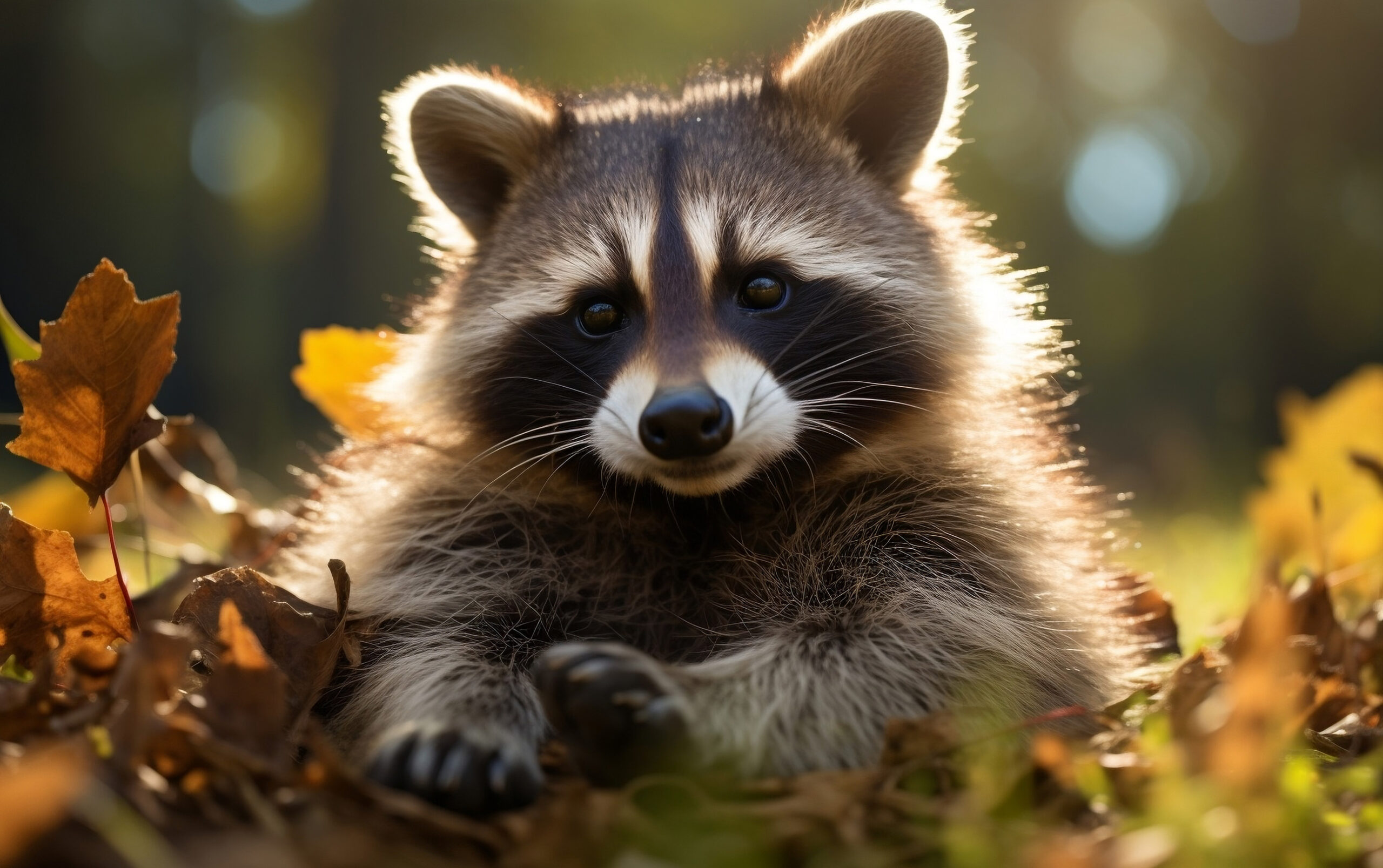
We all know raccoons, those canine master racers of the night, are more than adorable faces peering into our backyard. Recent studies show that raccoon populations have climbed by up to 15 percent in urban areas over the past decade, which indicates that these animals are becoming more prevalent among us daily.
Raccoons’ intelligence and ability to solve problems have enabled them to make it in the city, says Dr. Suzanne MacDonald, a biologist and psychologist at York University.
According to the Humane Society of the United States, 70 percent of raccoon populations today live in urban or suburban environments, including city backyards and public parks. In addition to their cleverness and good looks, raccoons play a vital role in our ecosystems, offering benefits you may want to consider before shooing them away from your yard. Here are 15 compelling reasons why raccoons deserve VIP access to your outdoor space:
Natural Pest Controllers

Raccoons’ diets are diverse, extending to bugs, rodents, and any other little aggravations. They help keep those populations in check by preying on them. Ecologist Dr. Marcus Mueller emphasizes, “Raccoons are important to maintaining ecosystem health and diversity because they assist in the lifecycles of a variety of plants.”
Research from the University of Toronto found that a raccoon can eat up to 40 percent of its diet in grubs and beetles, which means that pesticides can be significantly reduced. Ruth Askew, a wildlife behaviorist, states, “Raccoons help reduce pest damage in gardens by feeding on common crop pests, minimizing the need for chemical interventions.” (The Wildlife Society).
Seed Dispersal Agents

Raccoons bear fruits and berries and help disperse seeds through their scat. Replanting these and other burned conifers advances forest regeneration and promotes plant diversity. Wildlife experts from Natran Green Pest Control note, “Raccoons also dine on plants, aiding in seed dispersal and contributing to the growth of vegetation.”
Soil Aeration Specialists

While raccoons dig for grubs and insects, they also aerate the soil naturally, giving it a healthier and more nutrient-rich appearance for plants to grow. By doing this, this digging behavior increases soil turnover and further decomposition.
“Through their efforts seeking food in the soil, they help with soil turnover,” according to Skedaddle Humane Wildlife Control. This improves aeration, which is suitable for plant recruitment and speeds up decomposition.” The improved soil conditions they create help create a more vibrant, thriving garden, and their nocturnal activities can brighten up the environment—literally.
Carrion Clean-Up Crew

Scavengers and raccoons gladly dine on carrion and help keep the environment cleaner by eating animal carcasses, which may attract other, more undesirable pests. The vital behavior of such scavenging is critical for ecosystem health.
‘Raccoons play an important role in maintaining ecosystem health,’ Skedaddle Humane Wildlife Control noted. Scavengers, they will happily get at carrion.”
According to a study in Urban Ecology Journal, urban raccoons eat as much as 30 pounds a year of carrion, keeping it from decomposing and spreading pathogens in populated areas. Raccoons help reduce the spread of disease and clean up the environment by removing carrion.
Prey for Predators

Larger predators of raccoons help feed the food web and keep biodiversity in check. The animals they sustain keep populations higher up the food chain going. As highlighted by Natran Green Pest Control, “Their positions of predator and prey give raccoons an important role in maintaining the balance of prey populations in the wild.”
According to the Smithsonian Institution, raccoons can bring a 25 percent reduction in urban backyard rodent activity. Raccoons are both predators and prey in one species, and contribute to keeping the local ecosystem in a delicate balance
Intelligent Problem Solvers

If you have never taken the time to observe a raccoon in its natural habitat, you may be surprised by how intelligent they are and the extent of their problem-solving abilities. Urban environments have enabled raccoons to adapt and thrive.
According to National Geographic, “Research suggests that raccoons’ intelligence is contributing to the species’ expansion into suburban and urban areas across North America.”
Natural Composters

Raccoons consume several organic materials and contribute to the process of decomposition by returning nutrients to the soil, helping plant growth. Breaking down this complex organic matter, they do so because of their diverse diet.
As noted by Friends of Madrona Marsh, “In the wilds of the Preserve, open spaces and gardens raccoons dine on worms, insects and plant material.”
Ecosystem Educators for Children.

When raccoons get into the backyard, they teach a nice lesson in wildlife, ecosystems, and living together. Raccoons foraging and living their lives with their environment can spark the curiosity of children and interest in Nature at a very early age, which many will carry into the rest of their lives.
Laura Pascoe, a conservation educator, shares, “Encounters with animals like raccoons help instill an early understanding of wildlife and the importance of protecting our natural world.” (National Wildlife Federation).
Observing raccoons can teach children and even adults about wildlife. According to the National Audubon Society, 62% of educators use backyard wildlife as a teaching tool to help students become environmental stewards.
Photogenic Wildlife

Raccoons are fascinating subjects for wildlife photography with their characteristic masks and dexterous paws. They also make great backyard photography standbys. Their nocturnal activities and strange behaviour make for wonderful images.
As Friends of Madrona Marsh noted, “Raccoons are very well-adapted to living in the South Bay urban environment.”
Promoters of Biodiversity

Raccoons are very good for biodiversity. Among other species, they prey on, helping to keep animal populations in check to avoid any one species from overshooting and throwing the ecosystem out of balance. As seed dispersers, they also play a role in various plants growing and thriving.
According to a study published in Urban Ecology Journal, urban raccoons ingest up to 30 pounds a year of carrion so it doesn’t decay and infect pathogens in areas filled with people.
Dr. Joel Berger, an ecologist, points out, “Raccoons are an integral part of maintaining biodiversity, as they influence both flora and fauna through their dietary habits.”
Resilient Urban Survivors

Raccoons are remarkably resilient and adaptable to urban life, which is why they often outsmart us in this ongoing game of Twister. They have learned how to cross roads, navigate busy cities, and find food in unexpected locations. These traits enable them to survive in changing environments.
Dr. Suzanne MacDonald comments, “Raccoons are one of the most adaptable species on the planet, thriving in environments many animals would avoid.” (National Geographic).
It fosters a connection with Nature.

Having raccoons come to your backyard makes you feel more connected to the natural world. Just as we share our buildings and spaces with wildlife, this link can then encourage attempts to make more wildlife-friendly spaces.
The U.S. Fish and Wildlife Service reports that 85 percent of Americans participate in backyard wildlife watching, and raccoons are among the top five most observed species.
Biologist Dr. Daniel Blumstein notes, “Coexisting with animals like raccoons encourages people to think about sustainable living and conservation.” (SpringerLink).
Joyful Entertainers

Raccoons are also downright entertaining. You’ll be charmed by their playful antics, which involve rummaging through leaves or the way they wash their food. Observing them can spark wonder and joy.
“Raccoons are one of the most charismatic species in our neighborhoods by virtue of their curious and bold behaviors,” says John Hadidian, author of Wild Neighbors (The Humane Society).
Pollination Assistance

According to Hawley, raccoons are not primary pollinators, but as they forage on flowers, they can pick up pollen on their fur and inadvertently help with pollination. A study published in Animal Behaviour estimated that indirect pollination in urban gardens accounts for about 5%.
“They may not be bees, but raccoons still play a minor role in supporting plant reproduction,” says Dr. Laura Simmons, a pollination ecologist.
Inspiring Conservation Efforts

The prevalence of raccoons leads to more interesting secondary conversations on wildlife conservation. Sixty-eight percent of people who enjoy backyard wildlife become more involved in conservation efforts, according to a Pew Research survey.
“Raccoons are gateway species that inspire urban dwellers to care about wildlife,” says Dr. Sarah Daniels, a conservation psychologist.
Disclaimer – This list is solely the author’s opinion based on research and publicly available information.