


The post 10 Reasons Many Americans Are Dining Out Less Than They Used To first appeared on Crafting Your Home.
Remember when grabbing dinner at a restaurant felt like an easy decision? These days, many Americans look at the menu, check their budgets, and decide dinner at home sounds pretty good after all.
According to a September 2026 Popmenu report, 60% of surveyed consumers said they were dining out less often than a year earlier. Another 67% reported spending less money on restaurants.
And while rising prices are a major reason, they aren’t the whole story. Changing routines, disappointing deals, and a growing preference for home cooking are also influencing where people eat.
Here are 10 reasons many Americans are reconsidering restaurant visits.
Restaurant Prices Keep Climbing
That familiar restaurant order may be becoming an expensive habit.
According to YouGov’s 2025 dining report, 69% of diners who ate out less often blamed rising restaurant prices. Meanwhile, 82% of U.S. diners noticed restaurant prices increasing in their area.
The numbers back up those concerns. In August 2026, restaurant and other foodservice prices were 3.4% higher than a year earlier, according to the Bureau of Labor Statistics.
When familiar meals keep costing more, even a casual dinner can become something worth reconsidering.
Everyday Living Expenses Are Taking Priority
Restaurant bills aren’t the only expenses competing for Americans’ money.
In YouGov’s survey, 57% of diners who were cutting back on restaurant visits pointed to the rising cost of living.
The financial pressure isn’t affecting everyone equally, either. Among lower-income diners, 44% reported eating out less frequently, compared with 33% of middle-income diners and 27% of higher-income diners.
It’s a simple budgeting problem. When everyday expenses demand more attention, restaurant visits can be one of the easiest things to cut.
More Americans Are Making Saving Money a Priority
Sometimes, staying home isn’t about disliking restaurants. It’s simply about keeping more money in your pocket.
YouGov found that 58% of diners reducing their restaurant visits said they were trying to save money.
Even people who continue eating out are adjusting their orders. Among those changing their dining preferences to reduce expenses, 51% reported ordering fewer items, 42% skipped drinks, and 38% skipped desserts.
Apparently, the easiest way to make a restaurant bill smaller is sometimes to leave a few favorites off the order.
Home Cooking Is Becoming the Preferred Alternative
Why head out for dinner when you’re already getting comfortable making meals at home?
For many Americans, home cooking is replacing at least some restaurant visits. YouGov found that 46% of diners who eat out less often said they cook at home more often.
An August 2024 Ipsos report also found that nearly half of Americans reported cooking dinner at home more often than at the beginning of the year.
Whether it’s preparing something familiar or using ingredients already in the kitchen, staying home is becoming a more common choice.
Related: Why More Americans Are Swapping Takeout Runs for Homemade Midday Meals
Dining Out Is Starting to Feel Like a Luxury
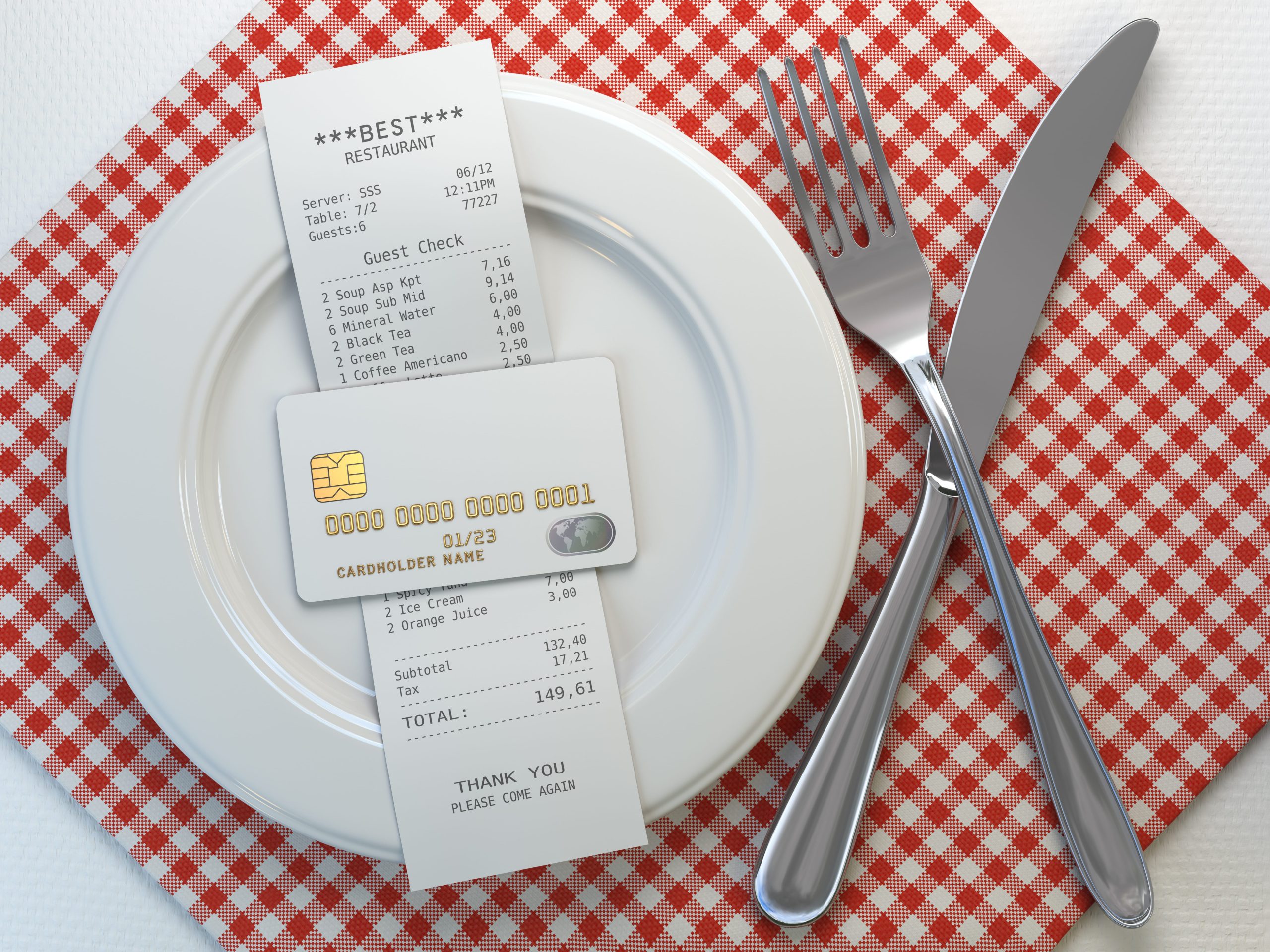
There was a time when stopping at a restaurant could feel like an ordinary part of the week. For some diners, that experience is becoming more of an occasional treat.
According to YouGov, 23% of people reducing restaurant visits said eating out felt like a luxury.
Fine dining has been particularly affected. The survey found that 46% of U.S. diners visited fine-dining establishments less often than the previous year.
When restaurant meals feel like something special rather than routine, people may become more selective about when they go.
Related: 7 Different Dining Customs From Around The Globe
The Food Doesn’t Always Feel Worth the Price
There’s something disappointing about paying a substantial restaurant bill and wondering whether the experience justified the expense.
For some Americans, that’s becoming part of the dining-out debate.