
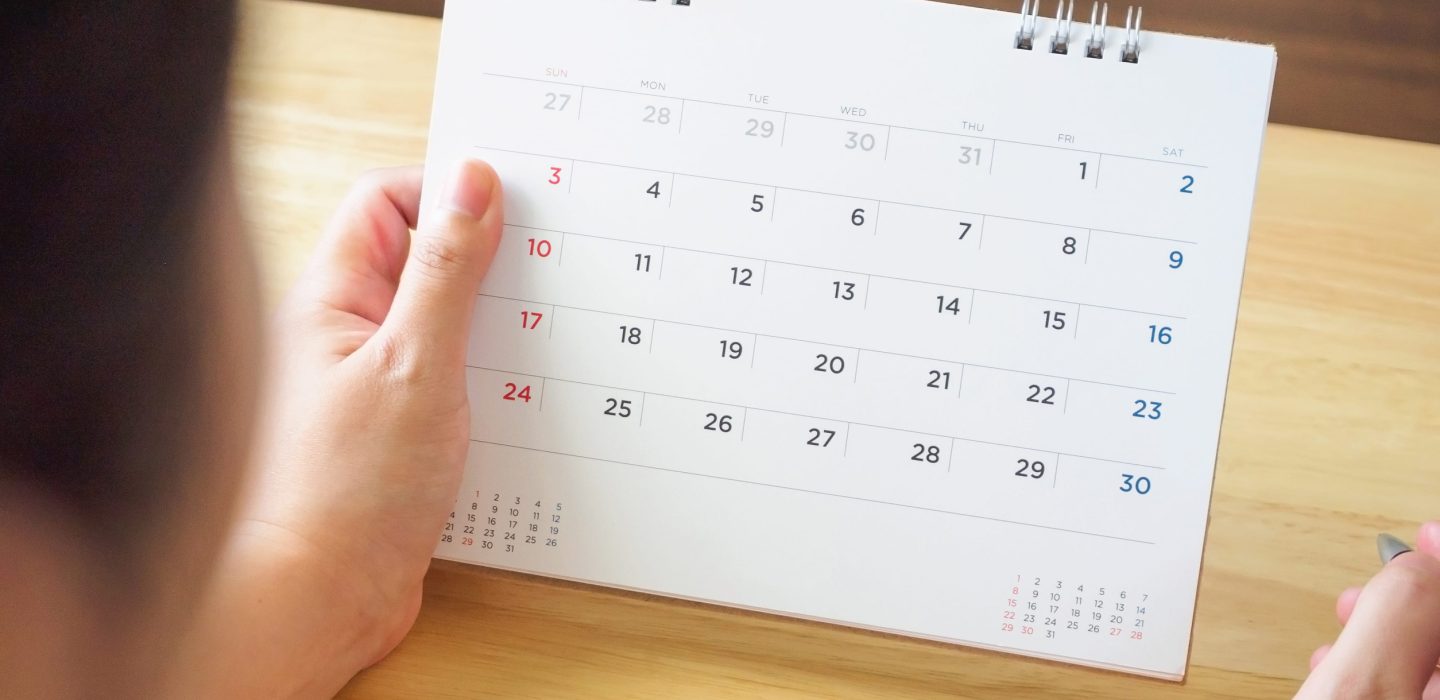

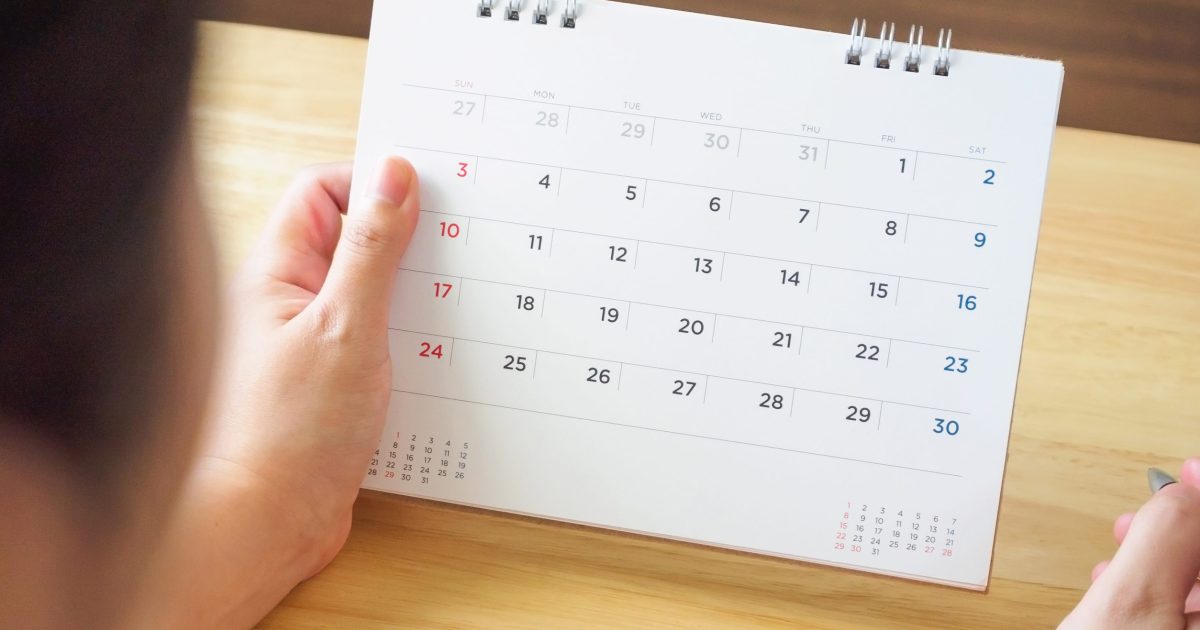
A paper calendar hanging on the wall may seem like a small detail in a home or office, but it often says much more than people realize. In a world filled with smartphone reminders, digital planners, and automatic notifications, choosing to write appointments and plans by hand is a deliberate decision. For many people, a paper calendar represents more than organization. It reflects how they think, manage responsibilities, and interact with time.
A wall calendar creates something digital tools often struggle to provide: a physical reminder that exists in plain sight. You don’t need to unlock a screen, open an app, or search through notifications. The information is simply there. People who still use paper calendars aren’t necessarily behind the times. Many have found that traditional methods still offer advantages technology can’t fully replace.
They Value Routines and Familiar Systems
Many paper calendar users appreciate consistency. They may have certain days dedicated to regular activities: grocery shopping on a specific day, cleaning routines, exercise schedules, or weekly responsibilities. This does not necessarily mean they dislike change. Instead, they often prefer having a reliable structure that reduces unnecessary decisions.
Routines can make everyday life easier by turning repeated tasks into habits. A paper calendar supports this approach because it clearly reminds them what normally happens and when. For these individuals, organization is not about controlling every moment. It is about creating enough structure to make life feel manageable.
They Tend to Think Ahead Rather Than React Later

One of the biggest traits associated with paper calendar users is preparation. They often prefer handling small tasks before they become urgent problems. A birthday gift is purchased early. They schedule an appointment before the deadline. They plan a busy week before it arrives. This approach reduces last-minute stress.
Instead of constantly reacting to whatever happens next, they create systems that help them stay prepared. A paper calendar encourages this mindset because it makes future responsibilities visible.
Related: The Things Intelligent People Refuse to Believe Aren’t Always What You Think
They Often Manage More Than Just Their Own Schedule
A wall calendar is rarely used only for one person’s appointments. Many people who keep a visible calendar manage multiple responsibilities at once. They may be tracking family activities, medical appointments, school events, birthdays, household tasks, and important deadlines. These individuals often become the people others rely on because they remember details that everyone else forgets. They know when the car needs servicing, when a family member has an appointment, or when an important event is coming up weeks in advance.
The calendar becomes a central place where responsibilities come together. Rather than depending on memory alone, these people create a system that helps them stay prepared.
They Prefer Seeing the Bigger Picture
One major difference between digital calendars and paper calendars is visibility. A phone calendar usually focuses attention on individual days or upcoming notifications. A wall calendar allows someone to see an entire month at once. For many people, this broader view makes planning easier. They can quickly spot busy periods, open weekends, important deadlines, and potential conflicts without clicking through different screens.
This planning style often appeals to people who think visually. Seeing the entire month creates a sense of control because they understand where their time is going before commitments begin piling up.
They Believe Simple Tools Often Work Best
Technology offers countless ways to organize life. Apps exist for scheduling, productivity, reminders, task management, and digital planning. However, some people prefer tools that do one thing well. A paper calendar requires no updates, passwords, internet access, or software changes. It does not send unnecessary notifications or compete for attention.
For people who value simplicity, this is exactly the advantage. A paper calendar represents a practical mindset: use something reliable instead of replacing it with something more complicated. Sometimes the oldest solutions remain useful because they solve the problem without creating new ones.