



The post Possible Food Shortages: 9 Items to Stock Up On Now first appeared on Crafting Your Home.
Food supply disruptions, rising grocery prices, and unpredictable weather have made many households think more carefully about what they keep in their kitchens. While widespread food shortages are not guaranteed, changes in agricultural production, international trade, and transportation can affect the availability and cost of everyday groceries.
Preparing a household pantry does not mean buying everything in sight or spending money on expensive emergency supplies. A more sensible approach is to keep a reasonable supply of affordable foods that your family already eats, particularly items that are nutritious, versatile, and relatively easy to store.
According to the Food and Agriculture Organization’s (FAO) September 2026 Food Price Index, international food commodity prices rose 1.5% from August and were 5.8% higher than a year earlier. Cereal prices rose 5.1% in the same month, and vegetable oil prices also rose. These figures measure international commodity prices, not the prices of every grocery product in every country, but they demonstrate why food affordability deserves attention.
Here are nine practical foods worth considering when building a well-stocked pantry.
Rice
Rice is one of the most useful foods to keep in a household pantry because it is affordable, filling, and easy to combine with many other ingredients. It provides carbohydrates, which the body uses as a key energy source, and can form the foundation of meals with vegetables, beans, fish, or meat. White rice is particularly useful for pantry storage because it generally keeps its quality longer than brown rice. Brown rice contains more naturally occurring oils in its outer layers, which can become rancid more quickly during storage.
Rice is also connected to international agricultural markets. Changes in growing conditions, export policies, transportation, and production costs can influence prices and availability. When purchasing rice, buy only what your household can reasonably consume. Keep it in its original sealed packaging or transfer it into a clean, airtight, food-grade container. Store it in a cool, dry place away from moisture and insects.
The University of Georgia Cooperative Extension’s long-term food storage guide explains how storage conditions and protective packaging influence the quality and shelf life of grains.
Dried Beans and Lentils
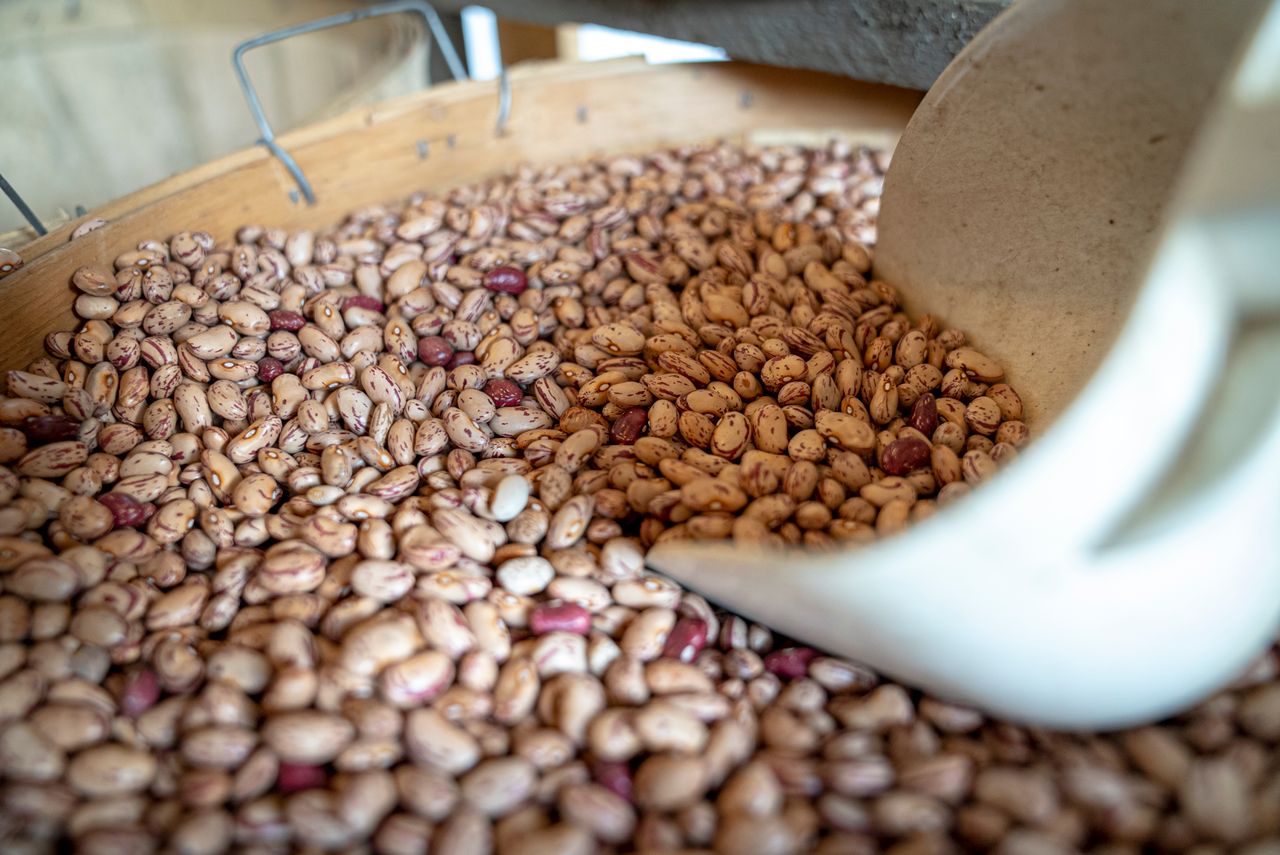
Dried beans and lentils are valuable pantry staples because they provide plant-based protein, dietary fiber, and several important nutrients. They are also versatile ingredients that can be used in soups, stews, salads, curries, and other everyday meals. Kidney beans, black beans, chickpeas, and lentils are particularly useful because they offer different textures and cooking options. Combining legumes with grains such as rice can also help create filling, affordable meals.
Harvard T.H. Chan School of Public Health identifies beans and other legumes as important sources of plant protein, fiber, and folate. Its Nutrition Source guide to healthy eating recommends including beans and other healthy protein sources in a balanced diet. Dried legumes are often more economical than their canned equivalents, especially when purchased in larger quantities. However, they require water and cooking time, so households should consider their available cooking facilities before buying large amounts.
For storage, keep dried beans in a tightly sealed container in a cool, dry location. The University of Maine Cooperative Extension recommends storing unused dried beans in a resealable bag or tightly covered container for up to one year.
Pasta
Pasta is another useful food to keep on hand because it is inexpensive, filling, and works for many different meals. You can prepare it with canned tomatoes, vegetables, beans, fish, or cooking oil, making it easy to make meals from basic pantry ingredients. Most dried pasta is made from wheat flour and water, although some varieties contain eggs or additional ingredients. It generally lasts longer than fresh pasta because it has much less moisture.
Wheat production is influenced by weather conditions, agricultural inputs, and international trade. Consequently, disruptions affecting wheat-producing regions can influence the cost of flour-based products, including pasta. This does not mean that a pasta shortage is inevitable.
When shopping, consider keeping a few different varieties, such as spaghetti, macaroni, and whole-wheat pasta. Whole-wheat varieties generally provide more dietary fiber than refined pasta. Store dried pasta in its original packaging until you open it. Once opened, transfer any remaining pasta into a sealed container to protect it from moisture and pests.
Canned Vegetables
Fresh vegetables are important for a balanced diet, but they can spoil relatively quickly, particularly when refrigeration is unreliable. Canned vegetables offer a convenient alternative because commercial canning lets many vegetables be stored without refrigeration as long as the packaging stays unopened and intact.
Consider keeping canned tomatoes, sweet corn, peas, carrots, and green beans in your pantry. These foods can be added to soups, stews, pasta dishes, rice meals, and other recipes. Canned vegetables can also contribute important nutrients to everyday meals. However, nutritional content varies by vegetable and processing method. Some products contain added salt, so check the nutrition label. The Harvard Healthy Eating Plate emphasizes including vegetables and other plant foods in a balanced diet. Keeping convenient vegetable options on hand can help households maintain variety when fresh produce is expensive or hard to get.
For storage, keep cans in a cool, clean, and dry location. Avoid purchasing cans that are leaking, bulging, badly dented, or visibly damaged.
Related: 9 Canned Foods You Might Want to Reconsider Before Buying
Flour
Flour is a useful pantry ingredient because it can be used to prepare bread, pancakes, chapatis, dumplings, sauces, and other everyday foods. Keeping some available gives households more flexibility when ready-made bakery products become expensive. Wheat flour is particularly important because wheat is used in many commonly consumed products. Changes in wheat harvests, export restrictions, fuel costs, and agricultural production can influence flour prices.
Several types of flour are worth considering. All-purpose flour suits many general cooking and baking tasks, while whole-wheat flour contains more of the grain’s original components, including bran and germ. Whole grains are valuable because they provide dietary fiber and other nutrients. Harvard’s whole grains nutrition guidance explains the nutritional differences between whole grains and refined grain products.
When purchasing flour, avoid buying more than you can use before its quality deteriorates. Store flour in a tightly closed container away from moisture, insects, and strong odors.
Cooking Oil

Cooking oil is an important household ingredient that is easy to overlook when preparing a food reserve. People use it for frying, roasting, baking, making sauces, and cooking many everyday meals. Common options include sunflower, soybean, canola, and olive oil. The best choice depends on cooking preferences, availability, price, and nutritional needs.
Vegetable oils are also important agricultural commodities. Weather, crop production, transportation costs, and international demand can affect their prices. Cooking oils also have a nutritional role. Harvard’s Healthy Eating Plate recommends choosing healthier unsaturated fats, including plant-based oils, rather than relying heavily on saturated fats.
When stocking up, purchase quantities that your household can reasonably use. Oil doesn’t last indefinitely, and exposure to air, heat, and light can speed up deterioration.
Canned Fish
Canned fish is a practical pantry option because it provides protein without the same storage requirements as fresh fish, as long as the can remains unopened and intact. Tuna, sardines, salmon, and mackerel are popular choices. They can be used in sandwiches, salads, pasta dishes, rice meals, and other recipes.
Fish provides several important nutrients, including protein and, depending on the species, omega-3 fatty acids. These fats support normal heart and brain function and are an important part of a balanced diet. Canned sardines and salmon are particularly useful options because some products include edible bones, which provide calcium. Nutritional content varies by brand and preparation method, so read labels.
For pantry storage, keep unopened cans in a cool, dry place. Check the packaging before purchasing and avoid cans that are swollen, leaking, or badly dented.
Related: 10 Best Seafood That Isn’t Fish, Ranked
Oats
Oats are another useful food to consider because they provide whole grains, dietary fiber, and a convenient breakfast option. They can also be used in baking, homemade snacks, porridge, and other meals. Common varieties include rolled oats, steel-cut oats, and instant oats. Although they differ in processing and preparation time, all can contribute to a nutritious diet. Oats are also relatively easy to prepare. You can cook them with water or milk and add fruit, nuts, or seeds for more variety.
When buying oats, choose packages with clear ingredient and date information. Plain oats are generally more versatile than heavily sweetened instant varieties. For storage, keep them in a sealed container in a cool, dry cupboard. Protecting oats from humidity and insects helps maintain their quality.
Powdered Milk
Powdered milk is worth considering because it offers a convenient dairy option without refrigeration, as long as the product remains unopened and dry. It is made by removing much of the water from milk, producing a powder that can be mixed with water when needed. Depending on the product, powdered milk can provide protein, calcium, and other nutrients found in milk.
It is useful for preparing porridge, tea, coffee, baking recipes, and other foods. It can also help households where fresh milk is not always readily available. However, powdered milk products are not all identical. Whole milk powder contains more fat than skimmed milk powder, and their storage characteristics differ.
The Utah State University Extension guide to storing dried milk explains that storage temperature affects product quality. Its research summary reports that nonfat dry milk stored at approximately 21°C experienced unacceptable sensory changes after four years, while cooler storage helped maintain quality.
Key Takeaways

Possible food shortages are a reason to plan sensibly, not a reason to panic. Weather conditions, international trade, agricultural production, and rising food prices can all affect the availability and affordability of everyday groceries.
Keeping rice, dried beans, pasta, canned vegetables, flour, cooking oil, canned fish, oats, and powdered milk in reasonable quantities can help households maintain access to useful ingredients when shopping becomes harder or more expensive.
The most effective approach is to buy foods your family already enjoys, store them correctly, rotate older supplies, and maintain a balanced pantry that meets everyone’s nutritional needs.
You don’t need an expensive emergency stockpile to be better prepared. A little planning, consistent grocery shopping, and sensible food storage can make a meaningful difference to household food security.
If you like what you just read, then subscribe to our newsletter and follow us on social media.


