


This article was originally published on Crafting Your Home. A human contributor also wrote and edited the post.
Imagine sending a child to a bus stop in pitch darkness, scraping ice from a windshield before sunrise, and finishing the first hour of work before the sky begins to brighten. That could become a normal American winter if Congress makes daylight saving time permanent. The proposal sounds attractive when reduced to a slogan: stop changing the clocks and preserve more evening sunshine.
But permanent daylight saving time would not create one extra minute of daylight. It would move sunlight away from the morning and place it later in the evening, leaving millions of Americans to wake, commute, and begin school in darkness. On July 14, 2026, the House passed the Sunshine Protection Act by a 308–117 vote. The bill would keep most of the country on daylight saving time year-round instead of returning to standard time every November.
It still needs Senate approval, where it faces resistance over the dangers of late winter sunrises. The measure remains uncertain. President Donald Trump supports ending the clock changes. Many Americans do, too. Yet abolishing the twice yearly switch does not require permanent daylight saving time. We could adopt permanent standard time, the option favored by major sleep health organizations, without forcing families into darker winter mornings.
Permanent Daylight Saving Time Would Not Give Us More Sunlight
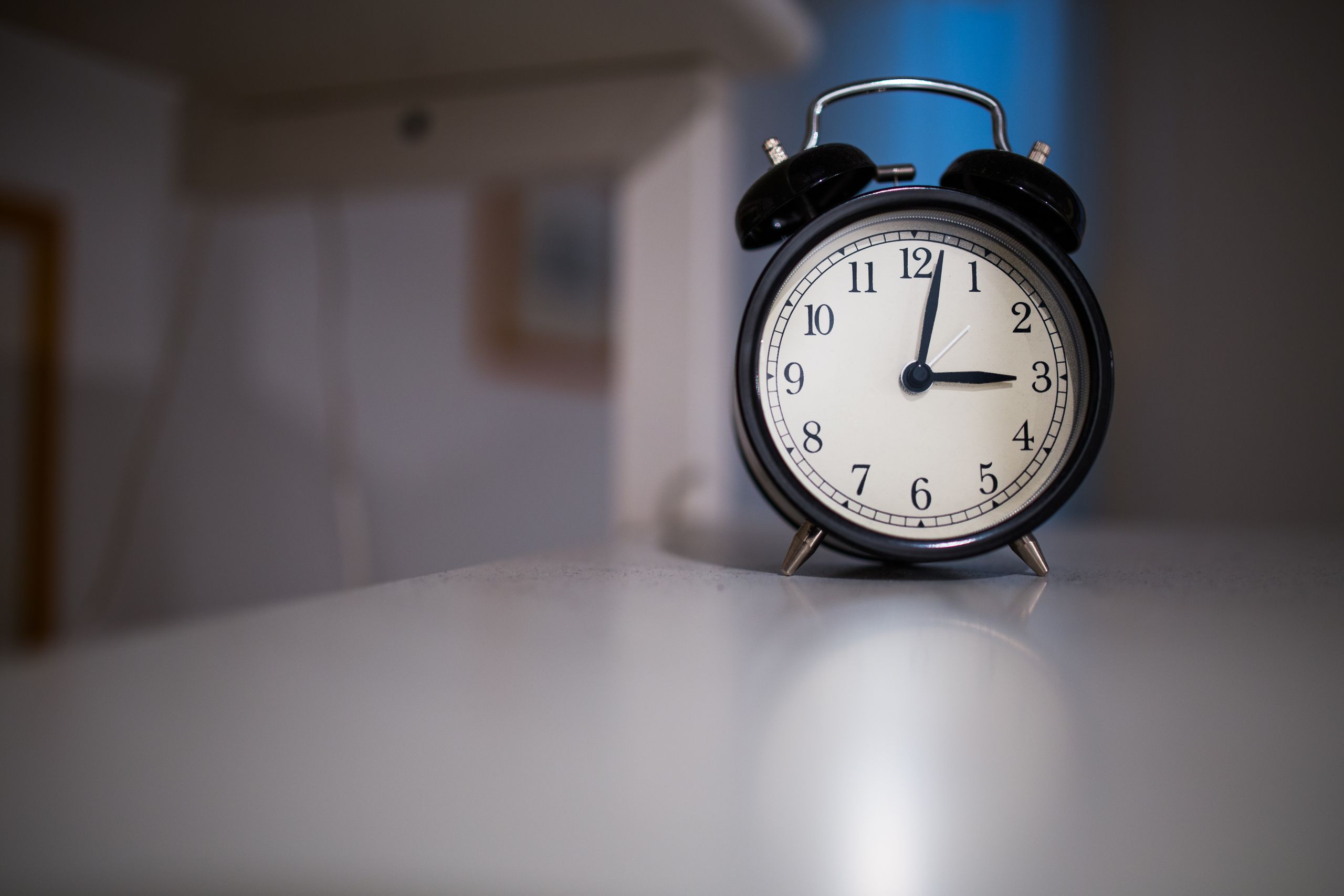
The term “Sunshine Protection Act” creates the impression that daylight is being saved or protected. It is not. Congress cannot increase the number of daylight hours in December. It can only change what time appears on the clock when the sun rises and sets. Under permanent daylight saving time, a community that currently experiences a 7:45 a.m. winter sunrise would see that sunrise at 8:45 a.m. Sunset would also move from 4:45 p.m. to 5:45 p.m.
For people who work traditional office hours, the later sunset may feel convenient. They could run errands, walk the dog, or spend time outside after leaving work. But that evening benefit would come at a direct cost: everyone who begins the day early would lose an hour of morning light. That includes nurses, teachers, warehouse workers, police officers, construction crews, delivery drivers, factory employees, airport staff, and restaurant workers.
Children would wait for buses before sunrise. Parents would drive to work on icy roads in the darkness. Pedestrians and cyclists would enter the morning commute when visibility is at its worst. We would not be saving daylight. We would be deciding that evening recreation matters more than morning visibility.
Children Could Pay the Highest Price
School schedules make the proposal especially troubling. Many American schools begin around 8 a.m. or earlier, and students often leave home 30 to 60 minutes before classes start. Under permanent daylight saving time, large numbers of children would board buses, cross intersections, and walk along roads before sunrise. Reflective clothing and streetlights can help, but they cannot fully replace daylight.
Teenagers would face an additional biological disadvantage. Adolescence naturally shifts the body’s sleep cycle later, making it difficult for many teens to fall asleep early. Early school start times already force them to wake before their bodies are ready. Delaying sunrise by another hour would make that conflict worse. Research involving high school students found that the spring daylight saving time transition reduced sleep and increased daytime sleepiness.
It also harmed vigilance during the school week. The student sleep findings showed that even a temporary shift in sleep timing can affect teenagers’ alertness in class. Permanent daylight saving time would remove the sudden March transition, but it would preserve delayed morning light throughout winter. Students could arrive at school tired, sit through their first class before sunrise, and struggle to stay alert.
Districts might respond by delaying school start times. That solution would trigger another set of problems involving buses, sports, child care, after-school jobs, and parents’ work schedules. Congress could change the clock nationally while leaving thousands of local school districts to manage the disruption.
Darker Mornings Could Make Dangerous Roads Worse
Supporters argue that brighter evenings could improve road safety. That may be true during the afternoon commute, but the claim leaves out the darker morning commute. Moving daylight from morning to evening does not eliminate darkness. It relocates it. Research has connected the spring clock change with increased traffic danger. A major U.S. study found a 6% increase in fatal motor vehicle crash risk following the switch to daylight saving time, with the effect particularly noticeable during the morning and in western parts of time zones.
The fatal crash research identified sleep loss and circadian disruption as central concerns. Permanent daylight saving time would prevent the abrupt annual switch. However, that does not prove that keeping daylight time throughout winter would produce the safest roads. Morning traffic includes school buses, teenagers driving to class, parents rushing to work, and employees ending overnight shifts.
Pedestrians are harder to see in darkness, especially when rain, snow, or headlight glare reduces visibility. Older drivers and people with vision problems may also find dark commutes more difficult. The policy could improve evening visibility while worsening morning visibility. Before making such a permanent decision, we should demand more than general promises about “extra sunshine.”
Our Body Clocks Would Remain Out of Step
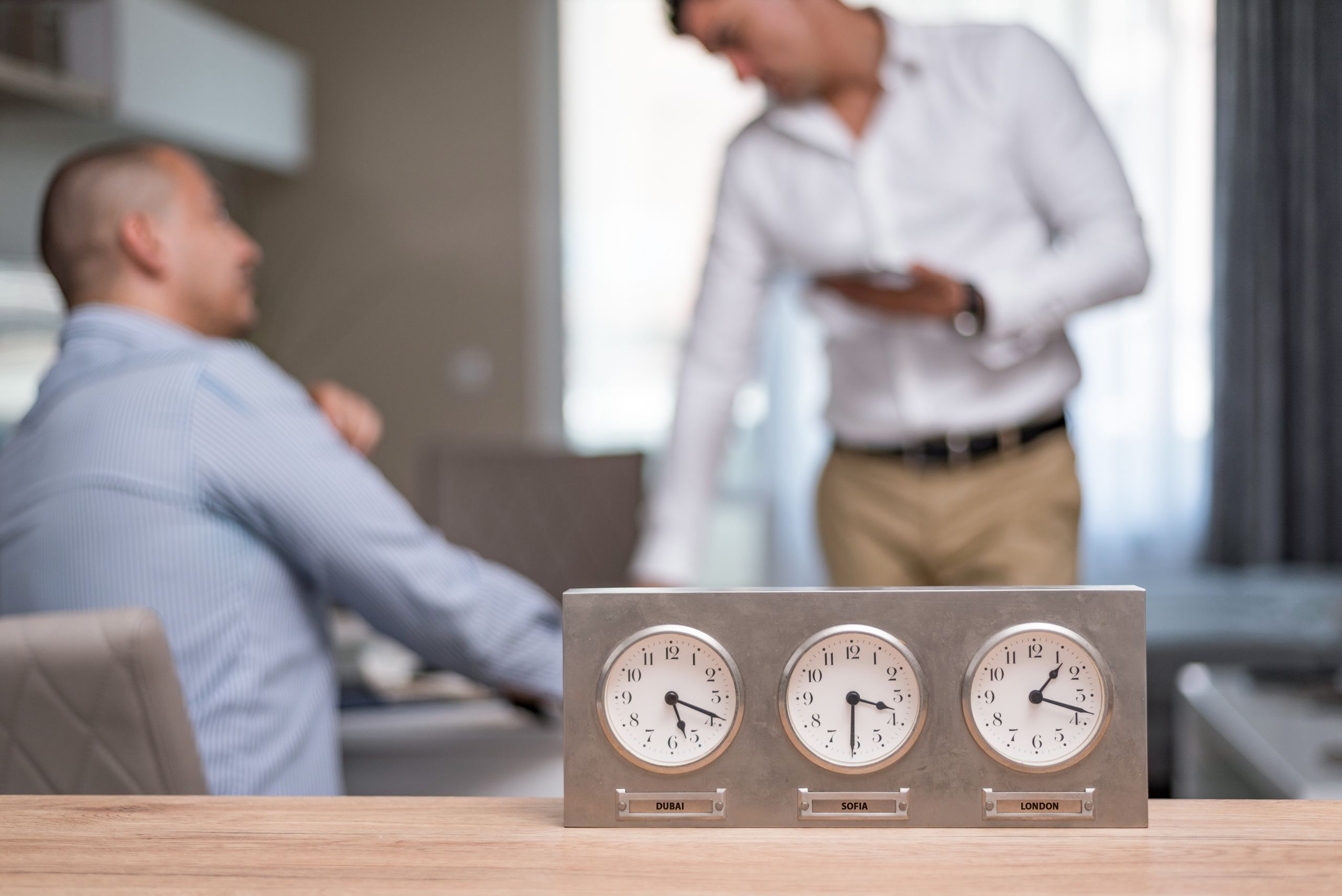
Human bodies do not operate according to congressional legislation. Our internal clocks respond to natural light. Morning sunlight tells the brain that the biological day has begun. It helps regulate alertness, sleep timing, and hormone production. Evening light sends the opposite message, encouraging the body to remain awake. Permanent daylight saving time would provide less morning light and more evening light according to the clock.
People might feel less sleepy at night but still need to wake at the same early hour for work or school. Over time, that mismatch can reduce sleep and create what researchers describe as social jet lag. The American Academy of Sleep Medicine supports eliminating seasonal clock changes, but it recommends permanent standard time, not permanent daylight saving time.
Its medical position favors the schedule that more closely aligns clock time with human circadian biology. A 2025 modeling study compared permanent standard time, permanent daylight saving time, and the current seasonal system. Both permanent schedules produced some projected advantages over clock changing, but standard time generally delivered better modeled outcomes for stroke and obesity.
The circadian health analysis found that the effects would vary by region. The findings do not mean every person would become sick under permanent daylight saving time. They do show that the most convenient political option may not be the healthiest biological option.
America Tried This Before and Quickly Regretted It
Permanent daylight saving time is not a new experiment. The United States attempted it during the 1970s energy crisis. President Richard Nixon signed a law establishing year round daylight saving time, and the policy began on January 6, 1974. It was supposed to continue for two years. Instead, families encountered the reality of dark winter mornings, and public enthusiasm collapsed. Concerns grew about children traveling to school before sunrise.
The expected energy savings were also unclear. Congress reversed course, and standard time returned on October 27, 1974, less than ten months after the experiment began. The government’s interim findings were unable to establish clear national results. America has changed since 1974, but our basic schedules have not changed enough to erase the problem. Schools are still open early. Hospitals, factories, airports, and warehouses still operate before sunrise.
Millions of workers still have little control over when their shifts begin. We may have better headlights, brighter streetlights, and safer vehicles, but technological improvements do not make natural morning light irrelevant.
Promised Energy Savings Could Be Tiny
Daylight saving time has long been sold as an energy saving policy. The logic is that later sunsets reduce the need for electric lighting during the evening. Modern households use energy differently than they did decades ago. Heating, cooling, electronics, and appliances now represent major portions of household consumption. Later sunlight may reduce lighting use while increasing air conditioning demand on warmer evenings.
When daylight saving time was extended by four weeks beginning in 2007, the Department of Energy estimated electricity savings of about 1.3 terawatt hours. That represented approximately 0.5% per additional day, but only 0.03% of annual U.S. electricity consumption. The federal energy analysis calculated a benefit so small that most households would never notice it on their bills.
That assessment examined four additional weeks, not permanent daylight saving time. We therefore cannot assume that year round daylight time would generate meaningful national savings. The country could accept months of dark mornings only to receive an energy benefit too small to affect the average family’s budget.
Workers With the Least Flexibility Could Suffer Most
Permanent daylight saving time would be easiest for people with flexible jobs. Someone who works remotely and begins at 9 a.m. may enjoy the later sunset without facing a dark commute. Millions of Americans do not have that freedom. Hospital workers report before dawn. Warehouse employees clock in at fixed times. Construction workers travel early to reach job sites. Teachers arrive before students.
Food service employees prepare restaurants for breakfast. Public transportation and airport workers begin while much of the country is sleeping. These workers would absorb the morning costs while people with more flexible schedules receive many of the evening benefits.
The proposal could also create regional inequalities. Florida may welcome later winter sunsets because its southern location prevents extremely late sunrises. Washington, Michigan, Minnesota, and North Dakota would experience a harsher reality. A single national rule would impose dramatically different conditions across the country.
Congress Could Make a Summer Idea Into a Winter Nightmare
Permanent daylight saving time sounds best when Congress debates it in July. The sun rises early, evenings stretch late, and dark winter mornings feel distant. The policy would be judged differently in January. That is when a child could stand beside a snowy road at 7 a.m. with sunrise nearly two hours away. It was when exhausted workers could drive through the morning darkness after an overnight shift.
It is when families in northern states could begin nearly every weekday under artificial light. Ending the clock changes is a reasonable goal. Locking the country into daylight saving time is a far more dangerous decision. We should not confuse a later sunset with additional daylight nor accept a catchy name as proof of a good policy. The Sunshine Protection Act could give us brighter evenings, but it may also deliver darker commutes, sleep disruption, and a winter routine that America already tried and rejected.
If you like what you just read, then subscribe to our newsletter and follow us on social media.


