
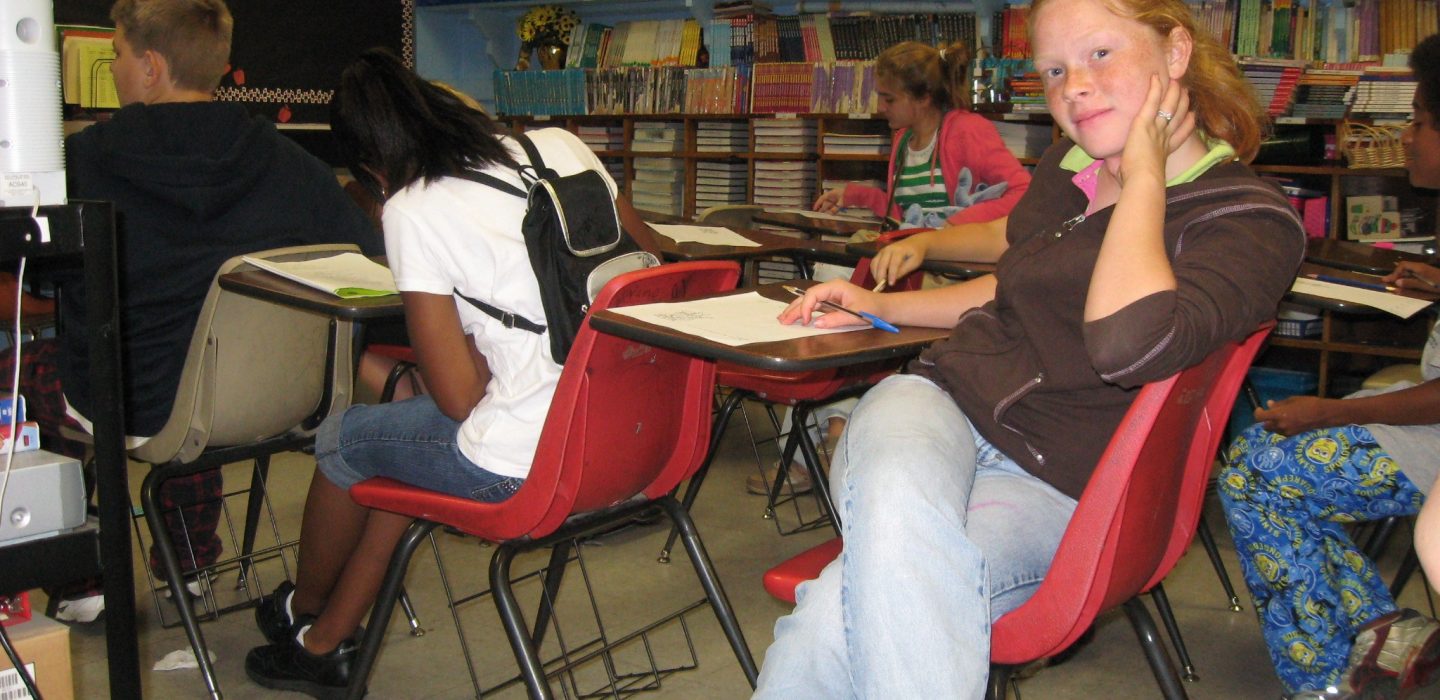


Pennsylvania students are about to spend a school day without their phones, from the first bell to the last. Gov. Josh Shapiro signed the state’s bell-to-bell cellphone bill on Monday, Oct. 26, 2026, at Lenape Middle School in Bucks County.
The new law leaves no gaps for the cafeteria or the playground, and every school in the state has until the 2027-28 school year to put a policy in place.
What the New Law Covers

According to Chalkbeat, phone use is prohibited the entire school day, including lunch, recess, homeroom and passing periods. The ban reaches internet-connected portable devices that students can use to send and receive messages or play videos and games, while school-issued, approved devices are excluded.
The measure is Senate Bill 1014, which the Pennsylvania General Assembly’s bill page lists as approved on Oct. 26, 2026, as Act 117 of 2026, with Sen. Devlin Robinson as prime sponsor. Anyone who remembers the household items only children of the 1980s remember will recall a school day with no screens in sight, and the little rituals of the 80s and 90s recall hallway life before phones.
The Governor’s office says public, charter, cyber charter and private schools all fall under the law, and that it does not require schools to take physical possession of devices. Families talking through the change may find a guide to gentle parenting handy, and the etiquette habits of people who keep phones off the table show that a screen-free routine can be learned at any age. The press release puts the legislative votes at 141-62 in the House and 47-3 in the Senate.
The Exceptions That Still Apply
Chalkbeat reports that students with disabilities, students with medical needs and English learners are exempt. Teachers may also allow phone use for educational purposes when a school device is insufficient or unavailable.
Route Fifty, which covers state and local government, describes the exemptions slightly differently, citing students who need a device for a medical condition, those with an IEP or 504 service agreement, English language learners using a phone for translation, and students with permission to use a phone for educational purposes. Older readers may recall the everyday experiences boomers remember, and the social norms that shifted with each new gadget. The Governor’s office adds that documented medical needs, special education accommodations and pre-approved, limited instructional uses are carved out. Distraction is an old problem, and tips on how to stop procrastinating or a look at why Gen Z would struggle to survive a week in the 1960s show how much daily life now leans on screens. The pattern across all three descriptions is that documented needs and approved classroom uses are allowed, while casual scrolling is not.
What Schools and Parents Must Do
The law sets a deadline and leaves the mechanics to districts. Schools must adopt policies by the start of the 2027-28 school year, according to Route Fifty, and the Governor’s release adds that the policies must be published online with opportunities for public input.
Parents are part of the plan. Chalkbeat says each school must give parents written notice on how to contact students during the school day and how to sign up for emergency alerts.
Enforcement is left to districts. Chalkbeat notes that the bill provides no new funding, and that the 2024 state budget included money for lockable phone pouches that some districts declined.
How the Bill Got Here
The bill did not appear overnight. Lehigh Valley Public Media reported that the state Senate first passed it 46-1 on Feb. 3, 2026, with 20 co-sponsors, including Democratic Sen. Lisa Boscola. At that stage, Sen. Robinson said the bill “gives students the freedom to focus, connect with peers, and protect their mental health,” and the report said districts would decide how devices are stored or collected during the day.
That local-control detail is why two neighboring districts could end up with different routines, such as pouches, lockers or a bin at the classroom door, while meeting the same statewide standard. Because schools are not required to take physical possession of devices, a policy could also simply bar phones from use on school property.
How Big a Change It Is in Practice
For some districts the shift is large. Chalkbeat says the rule is stricter than many current Philadelphia school policies, which have allowed phone use at lunch and for some assignments, and the district says it will work with principals, educators, students and families on a districtwide policy.
The Governor’s office says Pennsylvania joins more than two dozen other states in keeping devices away from students during the school day. Shapiro called technology “a powerful tool, but it’s also a powerful distraction,” while Education Secretary Carrie Rowe said the law gives schools a clear framework for reducing those distractions.
The result is a school day that runs on paper, pencils and conversation from arrival to dismissal, with exceptions for documented needs. The next step belongs to individual districts, which have until the 2027-28 school year to write their rules.
Get stories like this by email. Sign up for Crafting Your Home.
This article was produced with AI assistance and edited for accuracy against the sources linked above.
Image: Ente75 – Public domain/Wikimedia Commons


