


Growing older does not mean slowing down, shrinking your world, or holding onto routines simply because they have been familiar for decades. The habits that helped us navigate life in our younger years may not always support the freedom, health, and opportunities available today. As technology, healthcare, social connections, and lifestyles continue to change, many older adults are discovering that letting go of outdated behaviors can open the door to a more active and enjoyable chapter of life.
The goal is not to abandon traditions, memories, or personal values. Those experiences are part of what makes life meaningful. The real opportunity is learning which habits still serve us and which ones quietly create unnecessary limitations. A willingness to adapt can make everyday tasks easier, strengthen relationships, improve confidence, and help us stay independent for longer.
Holding Onto Cash-Only Payments in a Digital World
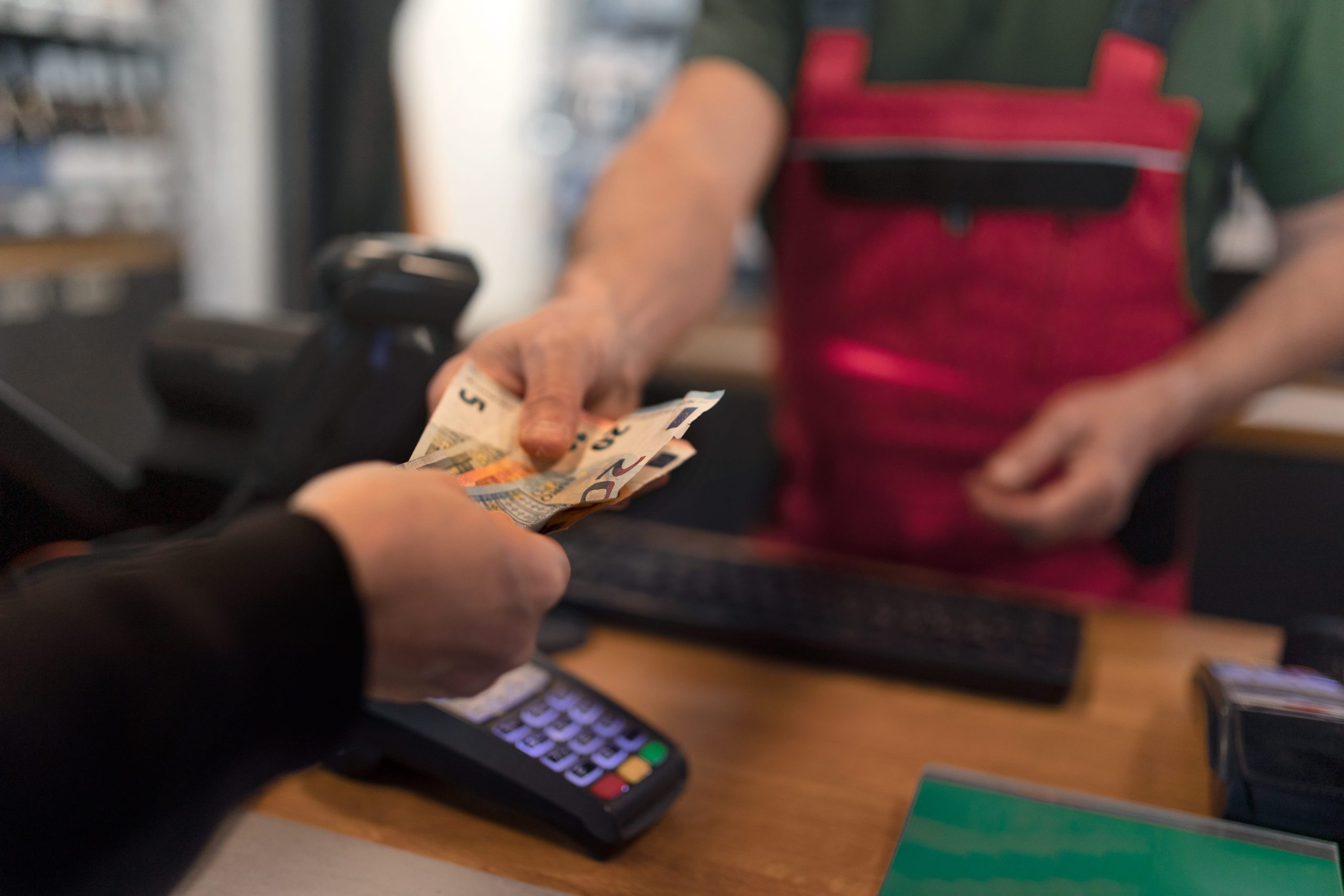
Using cash for every purchase may feel comfortable, but refusing modern payment options can create unnecessary barriers in everyday life.
Cash has been part of daily transactions for generations, and there is nothing wrong with keeping some bills in a wallet for emergencies or personal preference. However, relying exclusively on paper money can make some situations harder than they need to be.
Many businesses now encourage digital payments because they enable faster transactions, easier record-keeping, and stronger security features. Debit cards, mobile payment systems, and banking apps let people monitor spending, quickly identify unusual activity, and manage finances without keeping stacks of receipts or large amounts of cash at home.
For older adults, learning these tools can provide greater independence. A smartphone with a banking app can eliminate unnecessary trips to the bank, while contactless payments can make grocery shopping, travel, and appointments more convenient.
This does not mean everyone needs to go completely cashless. A balanced approach works best. Keeping some cash on hand while getting comfortable with digital options creates flexibility rather than dependence on one method.
The bigger shift is moving from seeing technology as something intimidating to recognizing it as a tool designed to make daily life easier.
Related: 6 Reasons Why Boomers Still Prefer Cash
Ignoring Strength Training and Muscle Health
Walking is excellent exercise, but maintaining strength becomes increasingly important as we age.
Many older adults understand the importance of staying active, but exercise routines often focus only on walking or light cardiovascular activities. While walking supports heart health and mobility, strength training plays a different and equally important role.
As people age, muscle mass naturally declines. This process can affect balance, stability, and the ability to complete everyday tasks such as carrying groceries, climbing stairs, or lifting household items.
Resistance exercises help slow muscle loss and support independence. These activities do not require heavy weights or intense gym workouts. Simple movements using resistance bands, light dumbbells, or body weight can provide significant benefits.
Strength training can also support bone health, improve posture, and increase confidence in physical abilities.
The goal is not to look like a professional athlete. The goal is to maintain the strength needed to enjoy life.
A stronger body creates more freedom. It lets people keep gardening, traveling, playing with grandchildren, pursuing hobbies, and handling daily responsibilities with more ease.
Saving Your Best Possessions for a “Perfect” Moment
Many people spend years protecting their favorite belongings instead of enjoying the moments those items were meant to enhance.
The habit of saving special dishes, expensive clothing, fine jewelry, or meaningful household items for rare occasions often begins with good intentions. Many people were raised with the idea that valuable things should be preserved carefully and used only when guests arrive or a major celebration takes place.
But life rarely follows a perfect schedule.
A beautiful dinner set sitting untouched in a cabinet does not create memories. A favorite outfit hanging in a closet does not bring confidence. A special bottle of wine collecting dust does not create connection.
Objects are meant to add enjoyment to life, not to become items we spend years protecting from use.
Using your favorite possessions more often can transform ordinary moments into meaningful ones. A regular family dinner can feel special when served on cherished plates. A simple afternoon can become more enjoyable when wearing something that makes you feel good.
There is also a practical reason to stop waiting. Circumstances can change unexpectedly. Health, mobility, and family situations may look different in the future. Enjoying what you have today allows you to experience the value of the things you worked hard to earn.
The memories you create with those items will always matter more than keeping them untouched.