

This article was originally published on Crafting Your Home. A human contributor also wrote and edited the post.
For generations, household chores were treated as unavoidable lessons in responsibility. Children learned to polish shoes before school, iron their own clothes, scrub floors by hand, and spend weekends helping with tasks that seemed to stretch forever. These routines were considered character-building, a way to teach discipline, patience, and self-reliance.
But times have changed. Gen Z grew up in a world of convenience, automation, and technology, where many traditional chores feel outdated, inefficient, or simply unnecessary. With washing machines, robot vacuums, meal delivery apps, and digital tools replacing many old habits, some chores from previous decades now seem almost impossible to imagine as everyday responsibilities.
That does not mean Gen Z avoids hard work. Many young adults are focused on careers, side businesses, education, and personal goals. The difference is that they often question whether a task deserves their time when there is a faster or smarter way to complete it.
Here are eight old-school chores that would likely leave many Gen Z households wondering, “Why are we still doing this?”
Hand-Washing Clothes Instead of Using a Machine

For many older generations, washing clothes was once a physically demanding process. Clothes were soaked, scrubbed against washboards, wrung out by hand, and hung outside to dry. Laundry day could consume hours, especially for large families.
Today, that routine feels almost impossible for many younger people. Modern washing machines can clean large loads with minimal effort, allowing people to focus their energy elsewhere. For Gen Z, spending an entire afternoon manually washing clothes may seem less like a necessary responsibility and more like an outdated workout.
There is also a cultural shift toward efficiency. Younger generations have grown up surrounded by technology designed to save time. From smart appliances to online shopping, convenience has become part of everyday life. Hand-washing an entire wardrobe simply does not fit that mindset.
Ironing Every Piece of Clothing
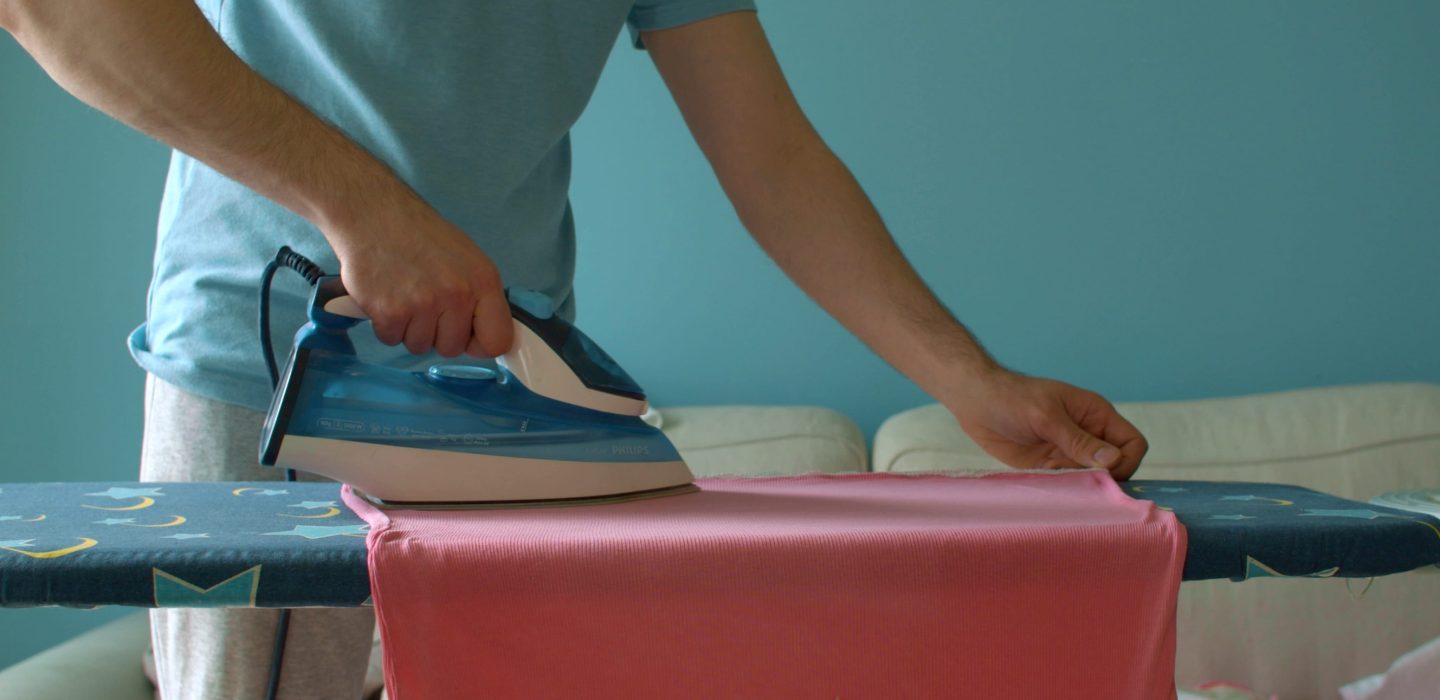
Decades ago, a neatly pressed outfit was considered a sign of respect and responsibility. Parents often taught children how to iron shirts, pants, dresses, and even pillowcases. Wrinkles were viewed as unacceptable, especially in professional or formal settings.
For many Gen Z adults, however, ironing has become a rare activity. Modern clothing often uses wrinkle-resistant fabrics, and casual fashion has become much more accepted. A slightly relaxed look is no longer automatically considered careless.
Many younger people also prefer alternatives such as garment steamers, wrinkle-release sprays, or simply hanging clothes properly after washing. The idea of spending an hour carefully pressing every item in a closet feels unnecessary when modern solutions can achieve similar results faster.
Polishing Shoes Every Week

Shoe polishing was once a regular household ritual. Children were often expected to clean and shine their school shoes before the start of each week. Adults maintained leather footwear carefully because shoes represented professionalism and personal pride.
Gen Z’s relationship with footwear is different. Sneakers, casual shoes, and comfortable styles dominate many wardrobes. The expectation that someone should spend time each week polishing leather shoes has faded significantly.
Many younger people also replace worn-out shoes rather than maintaining them for years. While some appreciate the craftsmanship of caring for quality footwear, routine shoe polishing is no longer a universal household expectation.
Sewing Clothes by Hand
Knowing how to sew was once considered an essential life skill. Many people repaired torn shirts, replaced buttons, adjusted clothing sizes, and even created entire outfits at home. Sewing saved money and helped families make the most of what they owned.
Today, fast fashion, affordable clothing options, and online shopping have changed the equation. Many Gen Z individuals would rather buy a replacement item than spend hours repairing damaged clothing.
However, interest in sewing has not disappeared completely. Some younger people have embraced sewing as a creative hobby, especially through sustainable fashion movements. The difference is that sewing is often viewed as an artistic choice rather than a basic household obligation.
Cleaning Floors on Hands and Knees

Older generations often cleaned floors using buckets, brushes, and cloths while physically scrubbing every corner of the house. It was a labor-intensive task that required strength and patience.
For many Gen Z households, this approach feels outdated. Modern tools like vacuum cleaners, spray mops, and robotic cleaning devices have completely changed how people maintain their homes.
The idea of spending hours crawling around scrubbing floors by hand seems unnecessary when technology can complete the same job more efficiently. Younger generations tend to value smart systems that reduce repetitive work, especially in busy lifestyles where time is limited.
Making Homemade Everything From Scratch
Previous generations often prepared nearly everything at home. Bread, sauces, canned foods, cleaning products, and even some household items were made from scratch because store-bought alternatives were expensive or unavailable.
Today, convenience has reshaped expectations. Grocery stores offer countless ready-made options, and online services make almost anything available with a few clicks.
Gen Z often balances homemade choices with convenience. Some enjoy cooking, baking, and creating things themselves, but the expectation that everyone must spend hours preparing basic household items feels outdated. The focus has shifted from necessity to personal preference.
Manually Balancing Household Budgets
Older generations often managed finances using notebooks, paper receipts, and handwritten calculations. Families tracked every expense manually to understand where their money went. While financial responsibility remains important, Gen Z has grown up with digital banking, budgeting apps, automatic payments, and instant notifications.
Tracking expenses by hand may feel unnecessarily complicated. Many younger adults prefer tools that provide immediate information and reduce the chance of mistakes. Technology has changed money management from a weekly paperwork task into something that can happen instantly through a smartphone.
Spending Entire Weekends on House Cleaning
For many families decades ago, weekends were dedicated to major cleaning sessions. Saturday mornings meant dusting, vacuuming, washing windows, organizing closets, and completing every household task before relaxation began.
Gen Z often approaches cleaning differently. Many prefer smaller daily routines that prevent messes from building up. The idea of sacrificing an entire weekend to deep cleaning may feel outdated when tasks can be divided into shorter, manageable sessions.
This reflects a broader change in lifestyle priorities. Younger generations often place greater value on experiences, personal time, and mental well-being. A spotless home matters, but not necessarily at the cost of losing an entire day.
The disappearance of these old-school chores does not mean younger generations are less responsible. It reflects how society, technology, and expectations have changed. Every generation adapts to the tools and challenges of its time.
What once represented discipline and independence may now feel inefficient or unnecessary. The chores that defined childhood for one generation can become unfamiliar traditions for the next. As technology continues to reshape daily life, tomorrow’s households will likely look very different from the ones many people grew up in.
If you like what you just read, then subscribe to our newsletter and follow us on social media.


