


The post 10 Old-School American Traditions That Deserve More Appreciation Today first appeared on Crafting Your Home.
Remember when family dinners were an occasion, neighbors gathered on front porches, and community events involved more participation than scrolling through a phone? Some American traditions might seem old-fashioned today, but that doesn’t mean they’ve lost their charm.
Many of these customs have been part of American life for generations, bringing families and communities together through shared activities, celebrations, and practical skills. While not every tradition belonged to every household, plenty still have something valuable to offer.
From handwritten recipes to county fairs, here are ten old-school American traditions that might be worth holding onto.
Sitting Down for a Proper Family Dinner
There was something special about everyone gathering around the same table, even when the meal itself was nothing fancy. Family dinners offered an opportunity to share stories, discuss the day’s events, and enjoy one another’s company.
The Library of Congress documents shared meals as part of America’s foodways, including traditions surrounding food preparation, serving, and eating together. The beauty of this custom isn’t about elaborate table settings or complicated recipes.
It’s about making time to sit together without needing a special occasion.
Bringing Food to Community Gatherings
Before every gathering needed professional catering, neighbors and community members often contributed to shared meals. Church suppers, community dinners, and similar events gave people opportunities to bring something to the table. The Smithsonian documents longstanding communal meal traditions in northern Louisiana, including church-associated gatherings known as “dinner on the grounds.”
What makes these occasions memorable is the shared effort. Instead of one person taking responsibility for everything, community members can contribute what they can. It’s a helpful reminder that hospitality doesn’t always fall entirely on the host.
Organizing Big Family Reunions
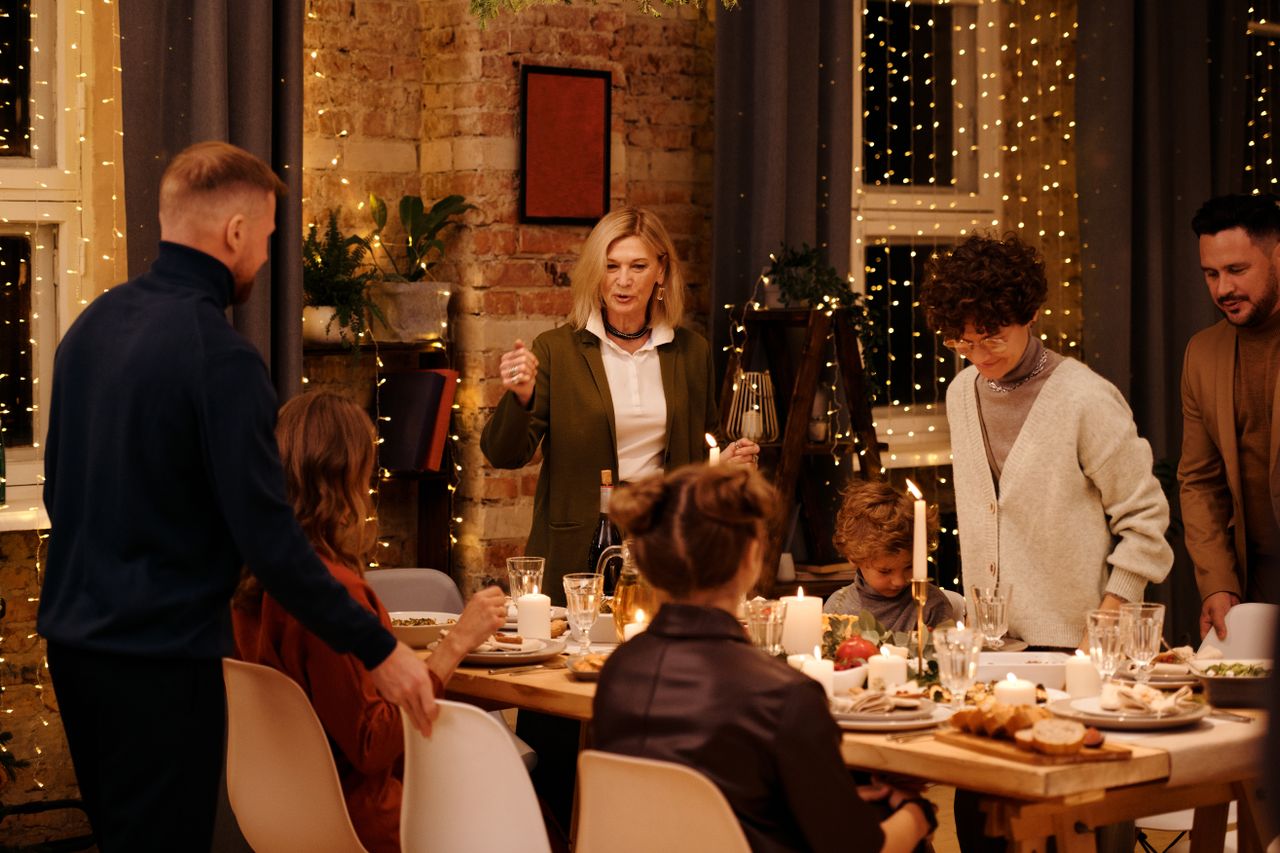
Getting everyone together isn’t always easy, especially when relatives live in different places. But family reunions create opportunities for grandparents, cousins, siblings, and extended relatives to reconnect. The Smithsonian identifies family reunions as an established community tradition documented in northern Louisiana.
These occasions aren’t simply about gathering for photographs. They’re chances to share family stories, introduce younger relatives to older generations, and maintain connections across households.
Even a modest reunion can become memorable when everyone helps make it happen.
Passing Down Handwritten Family Recipes
Few household treasures feel quite as personal as an old recipe card covered in familiar handwriting. It might contain a favorite dessert, a holiday dish, or instructions that only make sense to someone who watched the original cook at work.
The Smithsonian preserves handwritten recipes, recipe cards, and cooking materials as records of American food traditions. These collections demonstrate how recipes can become part of family history.
But preserving them doesn’t mean leaving them untouched in a drawer. Teaching someone how to prepare a favorite family dish can help keep that tradition alive.
Preserving Seasonal Produce at Home
Rows of homemade jams, pickles, and preserved vegetables once represented a familiar household activity for many American families. Home canning has a documented place in American history. The Smithsonian’s food-preservation collection includes materials spanning 1883 to 1980, with numerous publications dating to World War II.
These records show how home preservation became associated with household resourcefulness and wartime efforts. Today, the tradition can still offer a way to make use of seasonal produce.
However, anyone reviving old canning practices should use current, tested instructions rather than assuming inherited methods remain appropriate.
Growing Vegetables in the Backyard
There’s something satisfying about planting seeds and watching a garden become productive. For many Americans, growing vegetables has been both an ordinary household activity and part of a larger national story. During both world wars, Americans planted vegetables in backyards, school grounds, and vacant lots.
According to the Smithsonian Libraries, an estimated 18 million to 20 million families maintained victory gardens by 1944. Those gardens supplied approximately 40% of the country’s vegetables.
You don’t need a large backyard to appreciate the tradition. A shared gardening plot can also keep the practice going.
Gathering for an Old-Fashioned Quilting Bee
Imagine spending an afternoon making something beautiful while exchanging stories and learning from other people. That’s part of the appeal of a traditional quilting bee.
The Smithsonian describes these gatherings as opportunities for experienced and beginner sewers to work together while sharing techniques, advice, and family experiences. Quilting bees weren’t simply about finishing a blanket.
They also created occasions for conversation and cooperation. The tradition has even adapted to projects involving remembrance and community support.
It’s a reminder that making something together can be just as meaningful as the finished creation.
Spending Evenings on the Front Porch
Before an evening at home automatically meant staying indoors, the front porch offered a welcoming place to spend time. A comfortable chair, a familiar view, and someone to talk with could provide an entire evening’s entertainment.
The Library of Congress preserves historical photographs documenting porch life in different American communities. One example shows a Cajun farm family sitting on their porch in Louisiana in 1938.
Porch sitting doesn’t require elaborate planning or expensive equipment. Sometimes, the appeal is simply having a place to enjoy an unhurried conversation while watching the world go by.
Making the County Fair a Big Occasion
County fairs have long offered Americans more than rides and midway attractions. Historically, these gatherings brought together agricultural exhibits, machinery demonstrations, competitions, and entertainment.
The Library of Congress documents county fairs as a popular leisure activity in the late nineteenth and early twentieth centuries. What makes the tradition interesting is how it combines local achievement with public celebration.
Growers, makers, and competitors get an opportunity to showcase their work.
For visitors, it’s a chance to see what people in the surrounding community can create, raise, and accomplish.
Attending a Baseball Game Together
Baseball has occupied a distinctive place in American leisure and community traditions. The Library of Congress documents the sport across numerous communities, including Native American, Puerto Rican, African American, and Euro-American groups.
Ballparks have also developed recognizable rituals involving cheering, songs, and shared participation. The appeal isn’t limited to major-league stadiums.
A local game can offer many of the same opportunities to gather, support a team, and enjoy a familiar pastime. Baseball’s history includes exclusion as well as community participation, but its shared traditions remain an important part of American sporting culture.
Some Traditions Are Worth Carrying Forward
Not everything about the past deserves a comeback, and old-fashioned customs aren’t automatically better than modern ones. But these ten traditions offer something worth considering: opportunities to share skills, preserve family memories, celebrate local achievements, and participate in community life.
Some continue today, while others may be less familiar depending on where you live. Keeping them alive doesn’t mean recreating the past exactly as it was. It means finding new ways to enjoy the best parts of these customs.
Sometimes, the most meaningful traditions aren’t complicated or expensive. They’re simply the things people make time to do together. Which old-school American tradition would you most like to see celebrated more often?
If you like what you just read, then subscribe to our newsletter and follow us on social media.


