

The post 8 Old-Fashioned Manners Parents Are Still Teaching Their Kids first appeared on Crafting Your Home.
Some lessons from the past still fit into modern family life. From saying “thank you” to waiting your turn to speak, many parents still teach classic manners; not because children need to be perfectly formal, but because these habits help them practice gratitude, respect, communication, and consideration.
The best manners lessons are not just about following rules. They help children understand how their words and actions affect the people around them. Children also learn by watching the adults in their lives, which means parents often teach these habits through their own everyday behavior.
Saying “Please,” “Thank You,” and “You’re Welcome”
These classic polite phrases may sound simple, but they remain among the first social habits many children learn.
“Please” teaches children how to make respectful requests. “Thank you” helps them recognize another person’s effort or kindness. “You’re welcome” completes the exchange by showing that appreciation is a shared part of communication.
The goal isn’t just to get children to repeat certain words on command. A more useful approach is helping them understand why the words matter. Parents can model the habit by using polite language with their children and giving examples of how to phrase requests, such as “May I have a turn, please?”
The American Academy of Pediatrics’ HealthyChildren site advises that children learn social behavior by observing the people around them, especially their parents.
Waiting Their Turn Instead of Interrupting
Patience is a manner that takes practice. Waiting for a pause in a conversation, taking turns during games, and asking before grabbing something are all ways children learn to share space with others.
Turn-taking is a social skill that develops gradually. Young children may need reminders and coaching as they learn when to speak and when to wait.
Parents can help by teaching children to use words to solve social situations. For example, instead of taking a toy, a child can learn to ask, “Can I have a turn?”
The goal is not to teach children to stay quiet when they need help. It is to help them understand the difference between an urgent need and something that can wait for a moment.
Greeting People Properly
A simple “hello” or “goodbye” remains one of the easiest ways for children to show acknowledgment.
Greeting grandparents, neighbors, teachers, guests, and others teaches children that the people around them matter. A greeting can be spoken, a wave, a nod, or another respectful way of acknowledging someone.
While traditional etiquette advice often includes eye contact, it should not be treated as a requirement or the only sign of respect. Some children, including those with different communication styles or cultural backgrounds, may find direct eye contact uncomfortable.
The main lesson is recognition: notice someone, acknowledge them, and communicate respectfully.
Holding the Door and Offering Small Acts of Help
Small acts of kindness are another old-fashioned habit many parents still encourage.
Holding a door, picking up something someone dropped, offering a seat, or asking if someone would like help are simple ways children can practice consideration.
Modern manners are less about following old expectations and more about paying attention to the people around them. Offer help, don’t force it. A child can learn to ask, “Would you like a hand?” and respect the answer.
This approach also teaches children that kindness includes respecting another person’s choices and needs. The National Education Association identifies polite gestures, including holding a door, as social behaviors that can help children build relationships and reduce conflict.
Writing Thank-You Notes After Gifts or Kindnesses
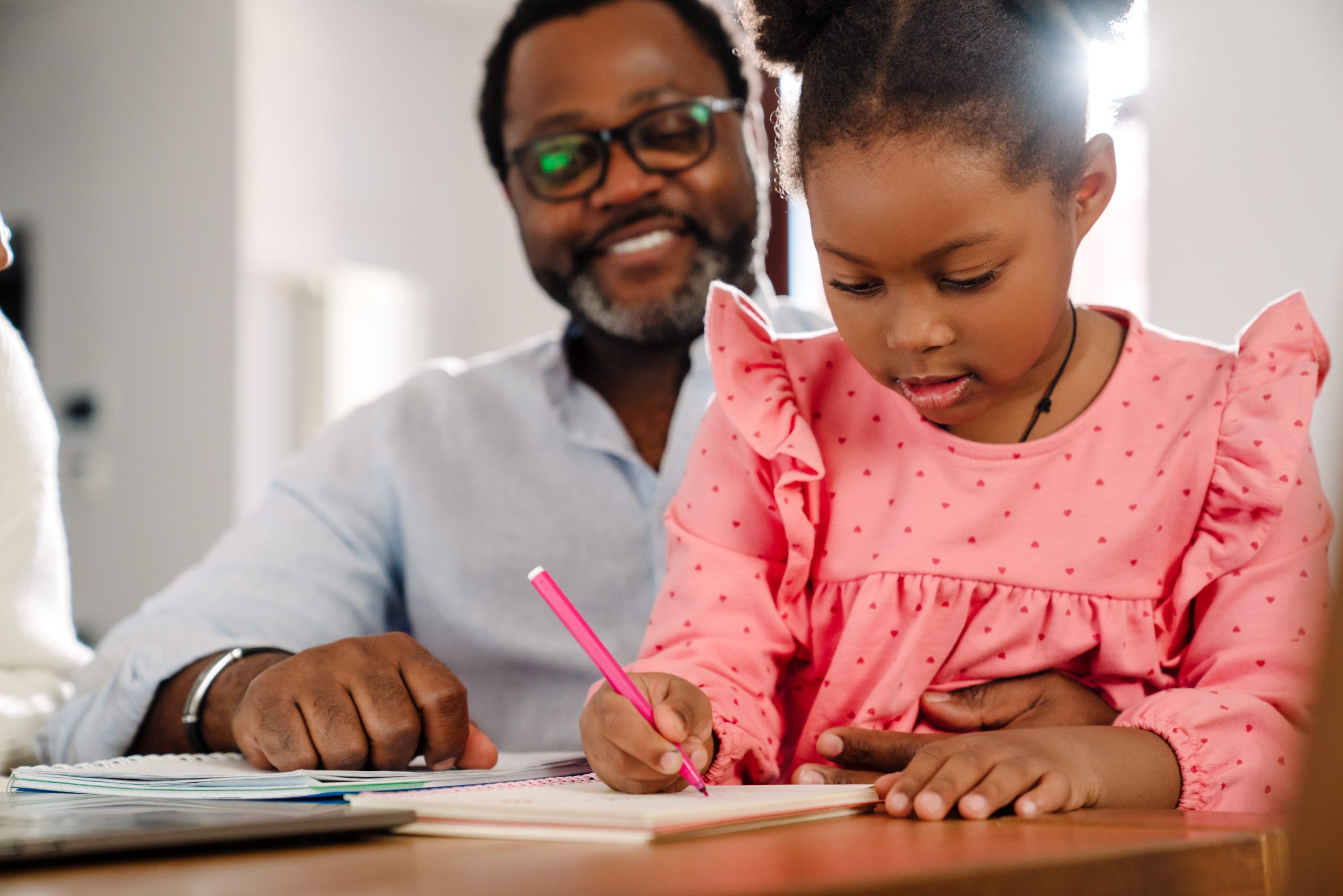
A handwritten thank-you note remains one of the most recognizable traditional manners taught in many families.
The lesson is not about writing a long letter. Children can learn a simple structure: greet the person, mention the gift or kindness, and explain why they appreciated it.
For younger children, a drawing, dictated message, voice note, or parent-assisted card may be a more realistic way to express gratitude.
Emily Post etiquette guidance recommends handwritten notes when someone gives a gift or does a favor, and you can’t thank them in person. It also notes that expressing gratitude is still meaningful even if some time has passed.
Related: 5 Powerful Ways to Show True Kindness Instead of Just Being “Nice”
Using Table Manners at Family Meals
Family meals are a common place where children practice everyday manners.
Waiting briefly before eating, asking for food to be passed, joining conversations politely, chewing with a closed mouth, and helping clear the table are familiar lessons that teach children how to share space with others.
The focus does not need to be on strict rules. Age-appropriate expectations matter. A younger child may simply practice sitting for a short time, while an older child can learn more involved habits.
Good table manners are about consideration, being aware of the people around you and making shared meals more pleasant.
RSVPing and Respecting Other People’s Plans
Responding to invitations may feel formal, but it teaches children an important lesson about consideration.
RSVP comes from the French phrase répondez s’il vous plaît, meaning “please respond.” The response doesn’t have to be yes. A clear answer helps the event planner.
Parents can teach children simple ways to respond, such as thanking someone for the invitation and letting them know whether they can attend.
Learning to respond thoughtfully helps children understand that other people may be making plans based on their answer.
Apologizing Sincerely and Making Amends
Many parents still teach children to say “sorry,” but the deeper lesson is understanding what happened and repairing harm.
A meaningful apology goes beyond the words. It involves recognizing the action, understanding its effect, and taking steps to make things better when possible.
Children may need time to calm down before they can offer a genuine apology. Repair can also happen through actions, such as helping clean up, returning something, or practicing the words later.
PBS parenting guidance warns against forcing children to apologize before they understand what happened. The focus should be helping children recognize emotions, listen to others, and learn how to repair harm.
Related: 7 Things You No Longer Need to Apologize For
The Manners That Matter Most Today
The most useful manners are not about unquestioning obedience. They are about consideration plus boundaries.
Children learn best when adults model respectful behavior, expectations match their developmental stage, and lessons focus on empathy rather than simply following commands.
From a polite request to a thoughtful apology, these everyday habits help children understand how to communicate, cooperate, and treat others with respect.
Other Posts You Might Like
If you like what you just read, then subscribe to our newsletter and follow us on social media.


