


The post 12 Old-Fashioned Foods Your Grandma Made That You Rarely See on Dinner Tables Today first appeared on Crafting Your Home.
Remember walking into Grandma’s kitchen and smelling something bubbling on the stove? Maybe it was a creamy casserole, a skillet full of salmon patties, or a mysterious dish that nobody dared touch until everyone sat down. Those meals weren’t always fancy, but they certainly left an impression.
American home cooking has changed over the generations, and some once-familiar dishes now feel like discoveries from an old recipe box. Of course, these foods haven’t disappeared completely. Many remain beloved regional specialties and family traditions.
Here are 12 old-fashioned dishes that might bring back memories of Grandma’s dinner table.
Tuna Noodle Casserole
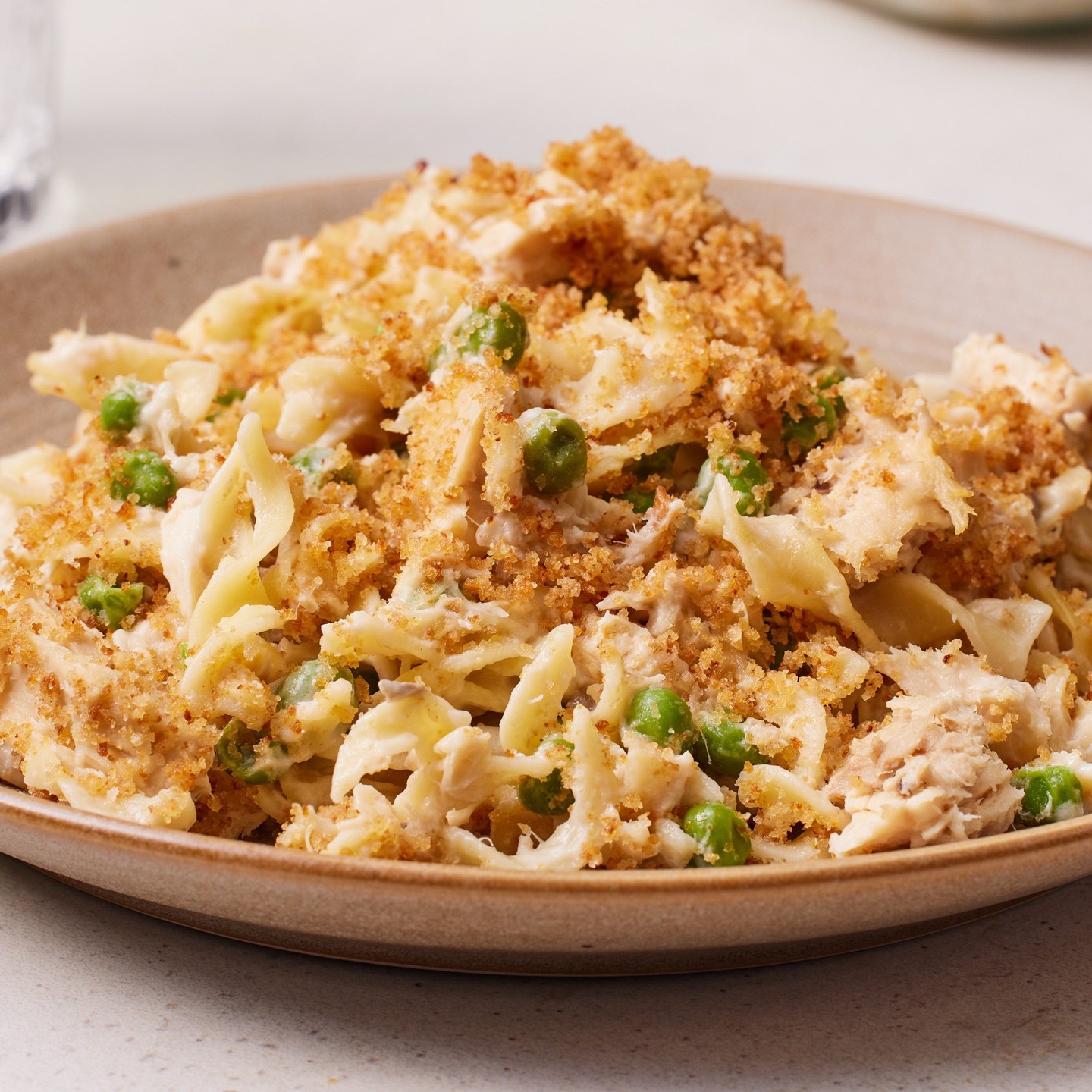
Few dishes capture old-fashioned comfort cooking quite like tuna noodle casserole. Made with canned tuna, noodles, creamy sauce, and a crunchy topping, it transformed everyday pantry ingredients into a filling family dinner. A historical account published by TASTE identifies a tuna-and-noodle casserole recipe published in Sunset magazine in 1930.
Interestingly, that predates Campbell’s introduction of cream of mushroom soup in 1934. Grandma might have served it straight from a bubbling casserole dish, with everyone hoping to claim the crispy corner pieces. The recipe survives today, although it carries a distinctly nostalgic reputation.
Creamed Chipped Beef on Toast
If your grandmother served thin slices of dried beef swimming in white gravy over toast, you probably remember this unusual combination. Creamed chipped beef combined preserved beef with a creamy sauce made using butter, flour, and milk. The sauce softened the toast underneath, creating a hearty, comforting dish.
Its history includes American military kitchens. According to Saveur, a version appeared in an Army cooking manual in 1910. The dish also earned the memorable military nickname “S.O.S.” Whether Grandma served it for breakfast or supper, it was the kind of meal that required plenty of napkins and absolutely no fancy presentation.
Salmon Patties
Before fresh salmon became the centerpiece of elaborate recipes, many American families relied on the canned version. Grandma mixed canned salmon with eggs and breadcrumbs, shaped the mixture into patties, and fried them until the edges turned golden.
The National Park Service documents how canned-salmon companies distributed recipe booklets to encourage home cooks to experiment with their products. Salmon patties became part of family cooking traditions in several American regions. Some households still prepare them regularly, proving that a familiar recipe doesn’t need expensive ingredients or complicated instructions to remain meaningful.
Ham Loaf
Meatloaf had an interesting cousin. Ham loaf combined ground ham, often with fresh ground pork, into a baked loaf you could slice and serve with a sweet glaze. The dish has particularly strong connections to Pennsylvania cooking traditions.
According to the Pittsburgh Post-Gazette, ham loaf was sold at certain Pennsylvania markets during the 1930s. Imagine thick slices arranged on Grandma’s Sunday dinner platter, their glazed surfaces shining beside the vegetables. While ham loaf still has regional fans, it isn’t the first dinner idea that comes to mind for younger home cooks.
Chicken à la King
Chicken à la King made ordinary leftover poultry look like something prepared for a special occasion. The traditional dish featured chicken in a creamy sauce, often accompanied by mushrooms, peppers, and pimientos. Grandma might have spooned the mixture over toast, noodles, or delicate pastry shells.
The Homestead Museum documents recipes and newspaper discussions dating back to the early twentieth century. One historical preparation even included olives and hard-boiled eggs. Its exact origin remains disputed, but its association with home cooking and entertaining is well documented. It certainly made yesterday’s chicken feel like a brand-new dinner.
Stuffed Cabbage Rolls
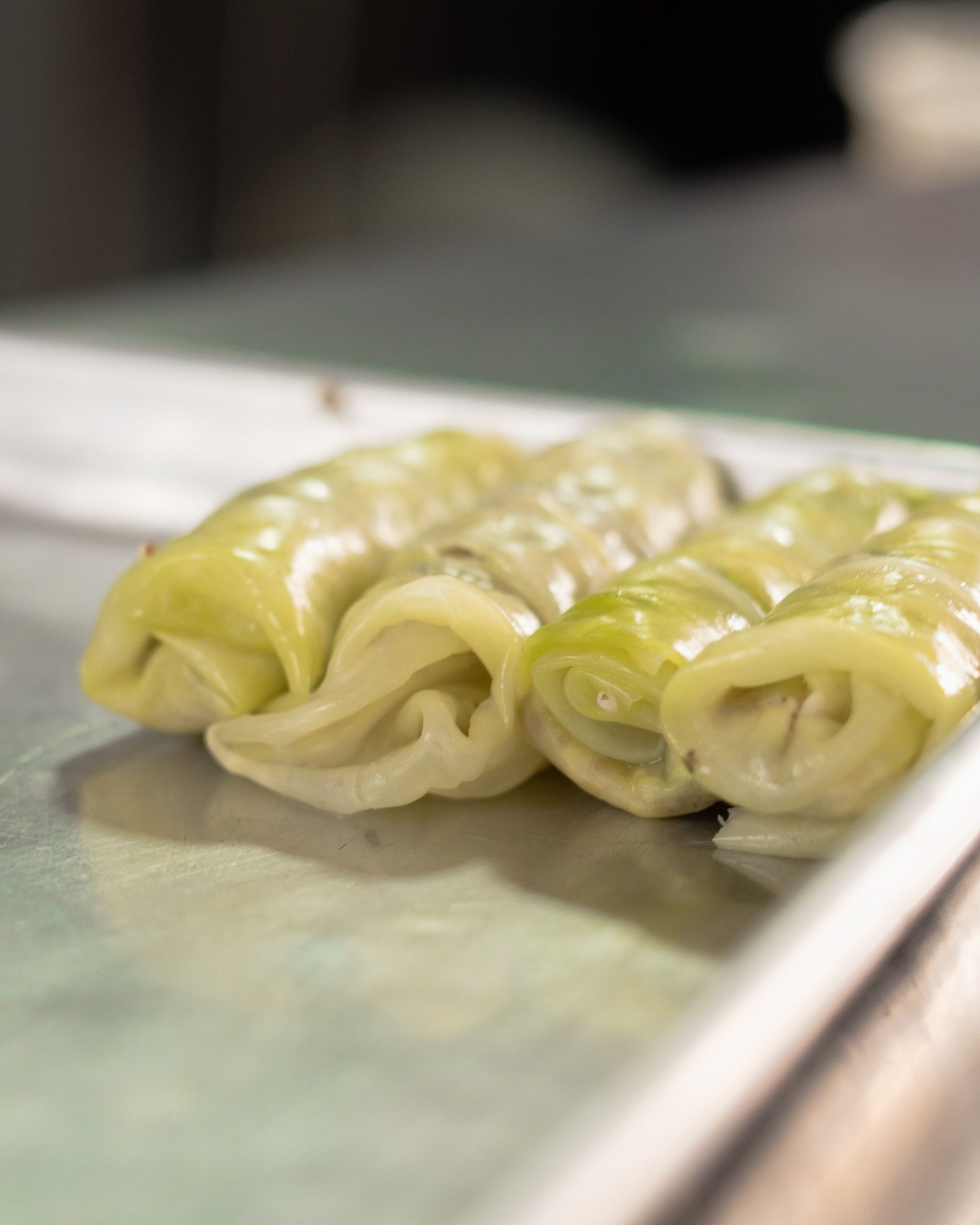
Making stuffed cabbage rolls wasn’t necessarily quick, but the results could become a treasured family tradition. People wrapped softened cabbage leaves around a seasoned filling, often with ground meat and other ingredients, then cooked them in sauce. Recipes varied across immigrant communities and generations.
A family history published by Contingent documents how one Jewish immigrant family’s cabbage-roll recipe traveled through generations and adapted to American ingredients. For some families, preparing the rolls was almost as meaningful as eating them. Even today, the sight of a neatly rolled cabbage leaf can bring back memories of someone patiently working at the kitchen table.
New England Boiled Dinner
Sometimes, Grandma’s entire dinner came from one large pot. New England boiled dinner traditionally combined meat with vegetables such as cabbage, potatoes, carrots, and turnips. The ingredients simmered together, then were arranged on a serving platter.
According to PBS Food, historical versions included different meats, reflecting regional cooking variations. Corned beef is familiar today, but it wasn’t the only possible centerpiece.
The dish remains part of New England’s culinary heritage. For families who grew up eating it, a steaming plate of tender vegetables and meat may still represent the ultimate traditional supper.
Scalloped Oysters
Not every old-fashioned casserole featured noodles or potatoes. Scalloped oysters combined shucked oysters with buttered breadcrumbs or crackers, and sometimes milk or cream. Bake the mixture until the topping develops an inviting golden appearance.
Food historian Stephen Schmidt documented scalloped oysters in nineteenth-century Boston entertaining records, including meals served during the 1850s and 1860s. The dish also became a holiday table staple, particularly in parts of the South.
Some relatives probably reached for seconds, while others politely declined. Today, scalloped oysters remain a treasured holiday tradition in some families, even if they aren’t an everyday casserole.
Traditional Corn Pone
Corn pone wasn’t simply another name for the fluffy cornbread found in many modern kitchens. Traditional preparations often involved a dense cornmeal mixture that was shaped and baked, sometimes in heavy iron cookware. Its history reaches back to Indigenous corn-based food traditions and subsequent adaptations.
The Southern Foodways Alliance explores these important linguistic and culinary connections. Recipes varied widely, and some family versions even included molasses. For anyone raised around traditional Southern cooking, dense wedges of homemade corn pone could be just as memorable as the main dish beside them.
Fried Cornmeal Mush
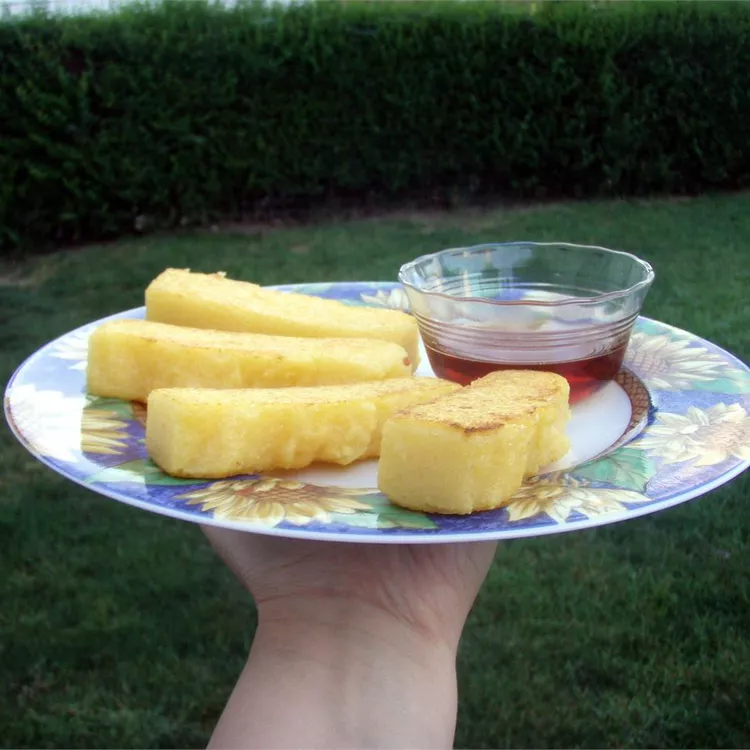
Grandma knew that yesterday’s leftovers could become something entirely different the following morning. Fried cornmeal mush began as a cooked cornmeal mixture that cooled until firm, then was sliced and fried. The outside browned while the center remained soft.
History Nebraska reproduces instructions from an 1861 publication describing this preparation and the reuse of leftover mush. Although frequently associated with breakfast, cornmeal mush also appeared in historical household meals throughout the day. This practical cooking tradition turned an ordinary pot of cornmeal into more than one meal.
Tomato Aspic
Few dishes surprise modern diners as much as tomato aspic. Imagine a bright red gelatin mold made with tomato juice and savory seasonings, sometimes decorated with celery or olives. Grandma might have carefully unmolded it onto a lettuce-lined platter before guests arrived.
According to Southern Living, molded gelatin salads were popular in the mid-twentieth century before their broader appeal faded. However, tomato aspic remained part of Southern entertaining traditions. Some people loved its unusual combination of flavors and textures. Others probably spent dinner wondering why their tomatoes were wobbling.
Old-Fashioned Orange-and-Coconut Ambrosia
Before ambrosia became associated with marshmallows and creamy toppings, the traditional version was surprisingly simple. Early recipes combined oranges, freshly grated coconut, and sugar to create a bright, sweet dish. Culinary historian Robert F. Moss, writing for Serious Eats, traced an early written recipe to an 1867 cookbook.
Ambrosia later became especially associated with Southern Christmas celebrations. A glass serving bowl filled with orange slices and snowy coconut could add a festive touch to the table. While modern variations remain familiar, this simpler preparation offers a glimpse into an earlier generation’s holiday cooking.
Why Grandma’s Old Recipes Still Matter
These traditional dishes represent more than unfamiliar ingredients and forgotten cooking techniques. They reflect family customs, regional histories, immigrant traditions, and creative approaches to everyday meals. Some recipes remain popular in certain communities, while others appear mainly during holidays or special family gatherings.
And although cooking habits have changed, a familiar smell or handwritten recipe card can still bring back memories of childhood dinners. Which of these old-fashioned dishes did your grandmother make, and which one would you love to taste again?
Other Posts You May Like
- 7 foods-you-should-never-wash-before-cooking
- 10 foods-you-should-never-store-in-the-fridge-heres-what-to-do-instead
- the-boomer-food-traditions-that-still-bring-people-to-the-table
If you like what you just read, then subscribe to our newsletter and follow us on social media.


