Old-Fashioned Chores Your Grandparents Did That Modern Kids Skip
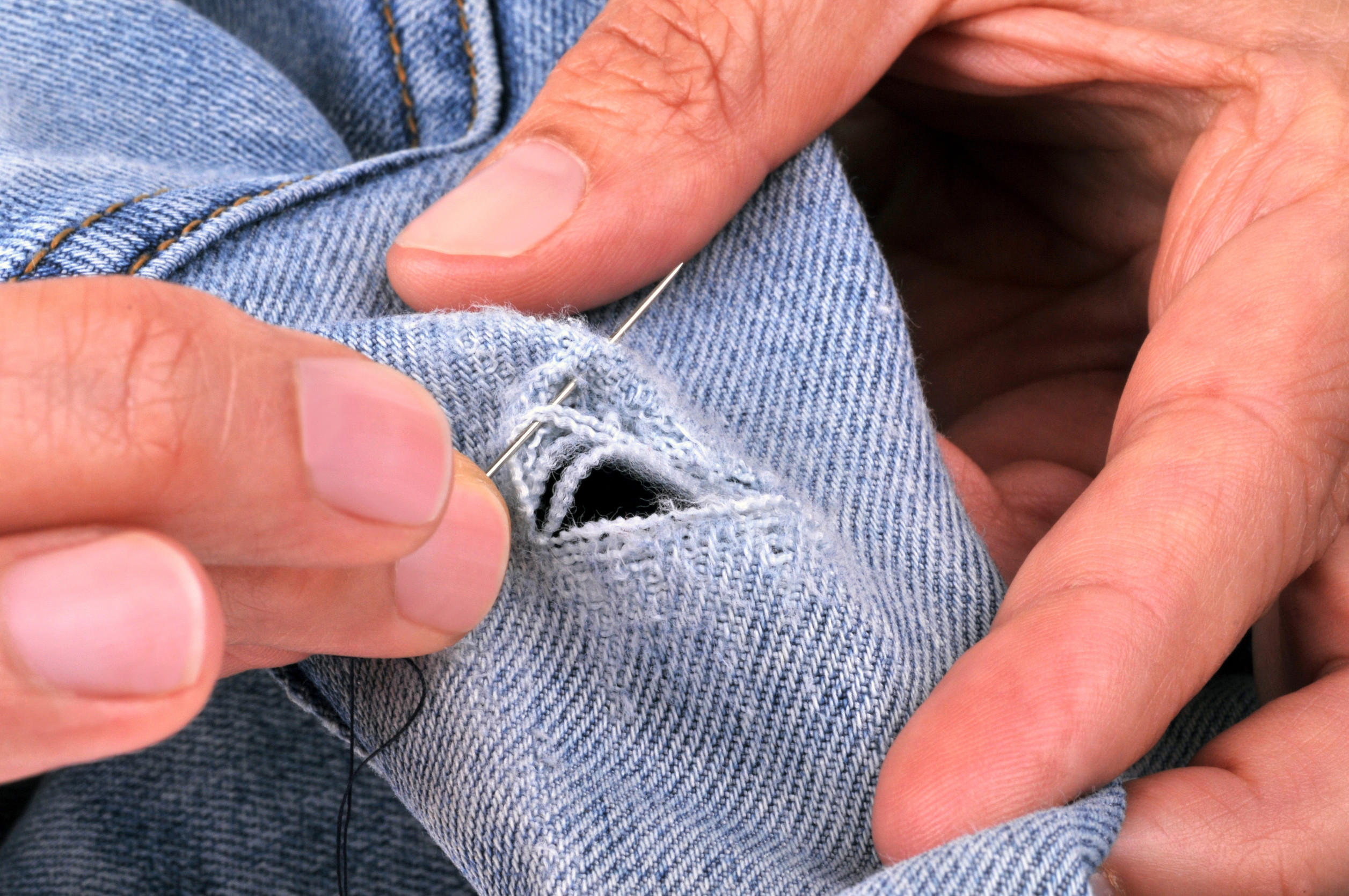
Image Credit: modesto3/123rf
In the modern age of automation and convenience, many of us have become accustomed to appliances and gadgets that complete tasks at the press of a button. But, not so long ago, our grandparents engaged in daily household chores that demanded patience, physical effort, and a deep connection to the work itself.
These tasks were not merely about keeping the house in order; they were life lessons in responsibility, time management, and resourcefulness.
In this article, we explore essential chores that once filled the daily routine of previous generations and provide insights into how these tasks shaped not only the home but the lives of those who performed them.
Raking Leaves
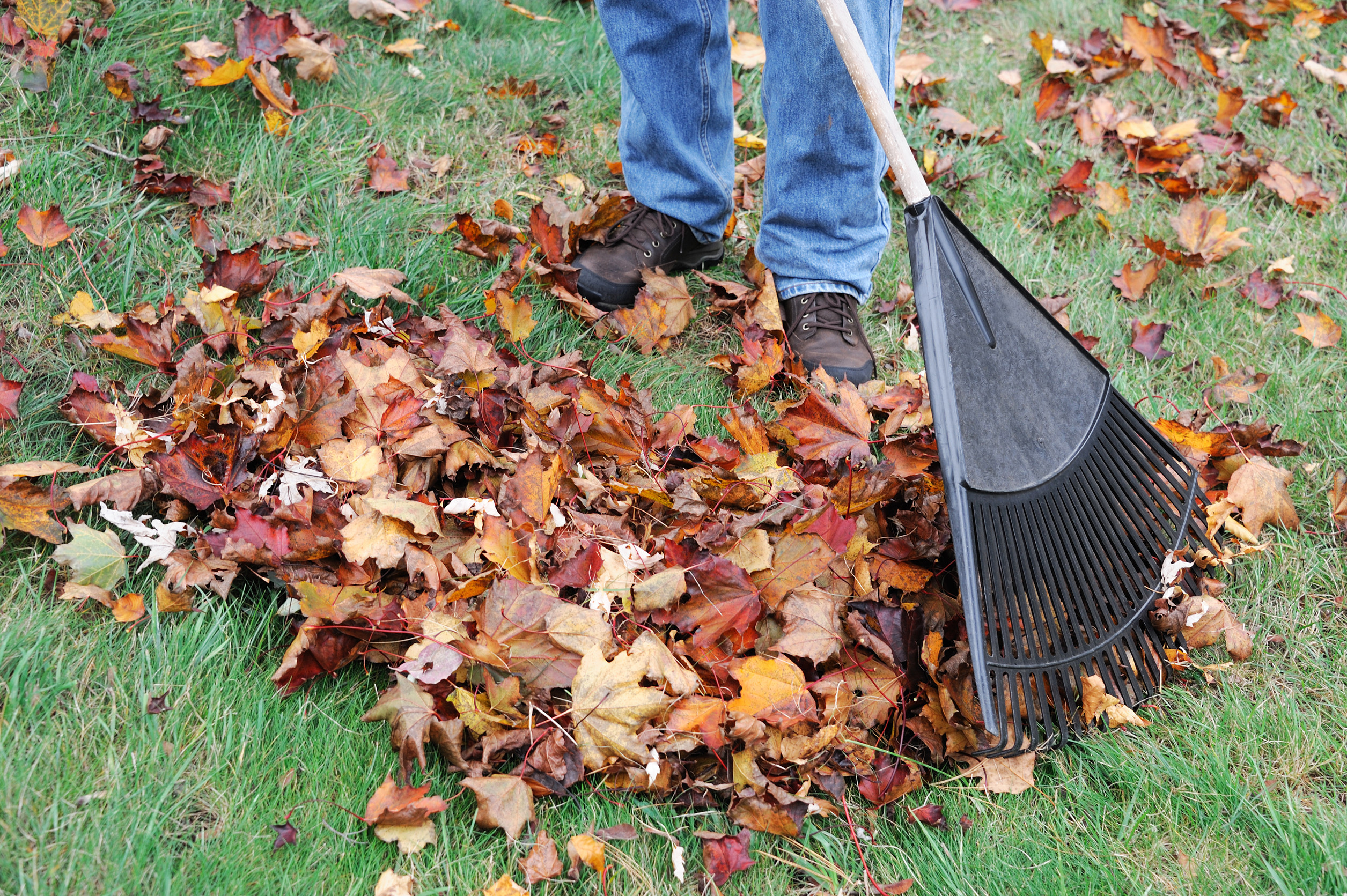
In autumn, the falling leaves signified a time-consuming chore that went beyond simple yard work. Raking leaves was an ongoing battle with nature, as metal-toothed rakes scraped leaves into large piles, which were often flattened by hand or bagged.
On windy days, the leaves would scatter again, requiring families to redo the job. The smell of damp leaves permeated the air, marking the season. In the absence of leaf blowers, this task became a weekly ritual, with neighborhood burn barrels filling with the crisp smell of burning leaves.
Hand-Washing Clothes
Before the convenience of washing machines, laundry was an intensive, manual chore that involved scrubbing clothes on a washboard. The process required a large tub of hot water, lye soap, and plenty of elbow grease. Clothes were rubbed vigorously on the ridged metal surface, often causing fabrics to fray and wear down prematurely.
This repetitive process wasn’t just physically taxing; it was also time-consuming, with some items, like wool sweaters, taking upwards of 20 minutes to clean. This chore was a labor of love, with multiple rinses necessary to remove the soap, resulting in crisp, stiff fabric that required careful hanging to dry.
Hand-Washing Dishes
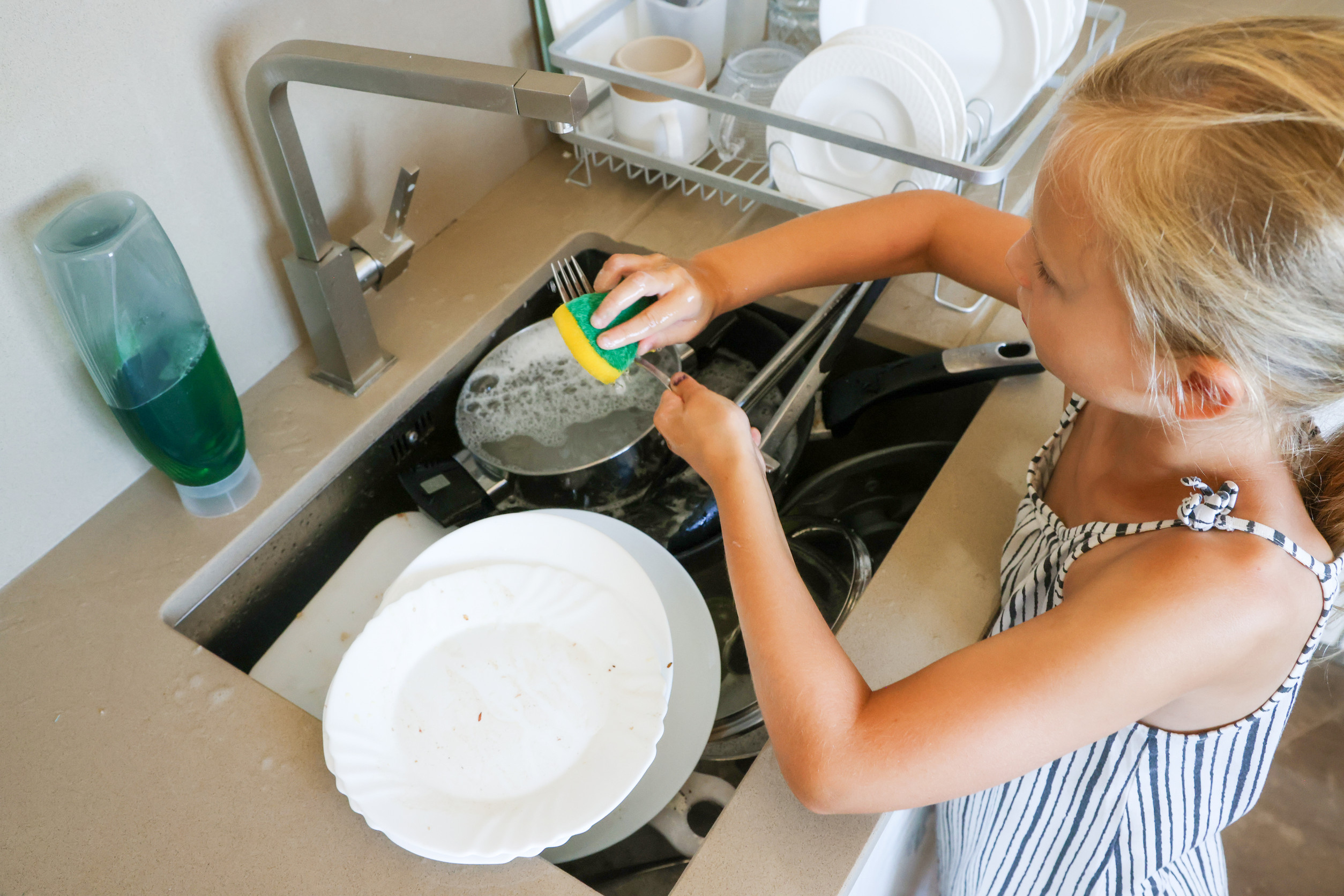
Long before dishwashers became the household standard, washing dishes was an intimate affair that required hands submerged in soapy water. Often, one person washed the dishes while another dried them with a cloth. This chore often stretched into an hour-long evening routine, especially after family meals that involved hearty dishes.
It wasn’t just about getting the plates clean; it was a time for conversation, reflection, and connection. The sound of clinking porcelain and the sight of steamy windows became an essential part of family life.
Hanging Clothes to Dry
Before the convenience of electric dryers, clothes were hung out to dry. This task required careful attention to detail, as each item had to be pinned by hand, making sure the hem was straight and the weight of the clothing was balanced. During cold or rainy weather, drying clothes could take an entire day, and towels would emerge from the line stiff, while cloth diapers could freeze solid in the winter.
The effort involved in this seemingly simple chore reflects the time and attention that went into maintaining a home before the advent of modern conveniences.
Sweeping Floors
Before vacuum cleaners, sweeping was a daily task that required muscle and diligence. Corn brooms, made from stiff, coarse bristles, were used to clear dust and dirt from floors. The sweeping motion was an art in itself, wide, sweeping arcs that required constant bending and adjusting of one’s posture.
Floors needed to be cleaned multiple times a day, especially after the dirt from shoes accumulated. Sweeping wasn’t just about cleanliness; it was an exercise in persistence and resilience.
Ironing Clothes

Before steam irons and automatic presses, ironing clothes was a meticulous chore. Heavy cast-iron irons were heated on a stove until they reached the proper pressing temperature. This process could take time and patience, with the iron needing to be periodically swapped out for another as it cooled.
Steam was manually added to prevent scorching, and any misstep in timing could leave clothes with permanent creases or, worse, scorch marks. The delicate process of ironing was a daily necessity, ensuring that clothes were pressed to perfection.
Hauling Water from the Well
In many rural homes, water was sourced from a well, requiring daily trips to fetch water for household use. The task involved carrying heavy buckets of water, often multiple times a day, for washing, cooking, and cleaning.
Children were frequently tasked with more miniature pails, and the chore was both physically demanding and time-consuming. The effort to bring water from deep underground to the home was not just a necessity; it was an integral part of daily life, connecting each person to the natural world.
Mending Clothes
Before the days of fast fashion, mending clothes was a practical skill that every household needed. Instead of buying new items, families would repair clothes with a needle and thread, reinforcing seams, fixing holes, and even adding patches.
This careful, patient work often took place after dinner, as families gathered around a dimly lit table, stitching together memories as well as fabric. The process of mending clothes was not just about saving money; it was about preserving memories and maintaining the value of what they had.
A Glimpse into the Past
The household chores of the past were more than just tasks; they were lessons in patience, responsibility, and the importance of community. While modern technology has simplified these tasks, the essence of the work remains ingrained in our history.
These chores, scrubbing clothes, raking leaves, and washing dishes, were more than just routines; they were the foundation of daily life. And as we look back on these tasks, we can appreciate the hard work, dedication, and spirit that defined generations before us.
By reflecting on the diligence, effort, and cooperation required in these tasks, we come to understand how each chore shaped not only the home but the culture of responsibility and hard work that defined an era. The lessons learned from these tasks are valuable reminders of the timeless importance of caring for one’s home.