
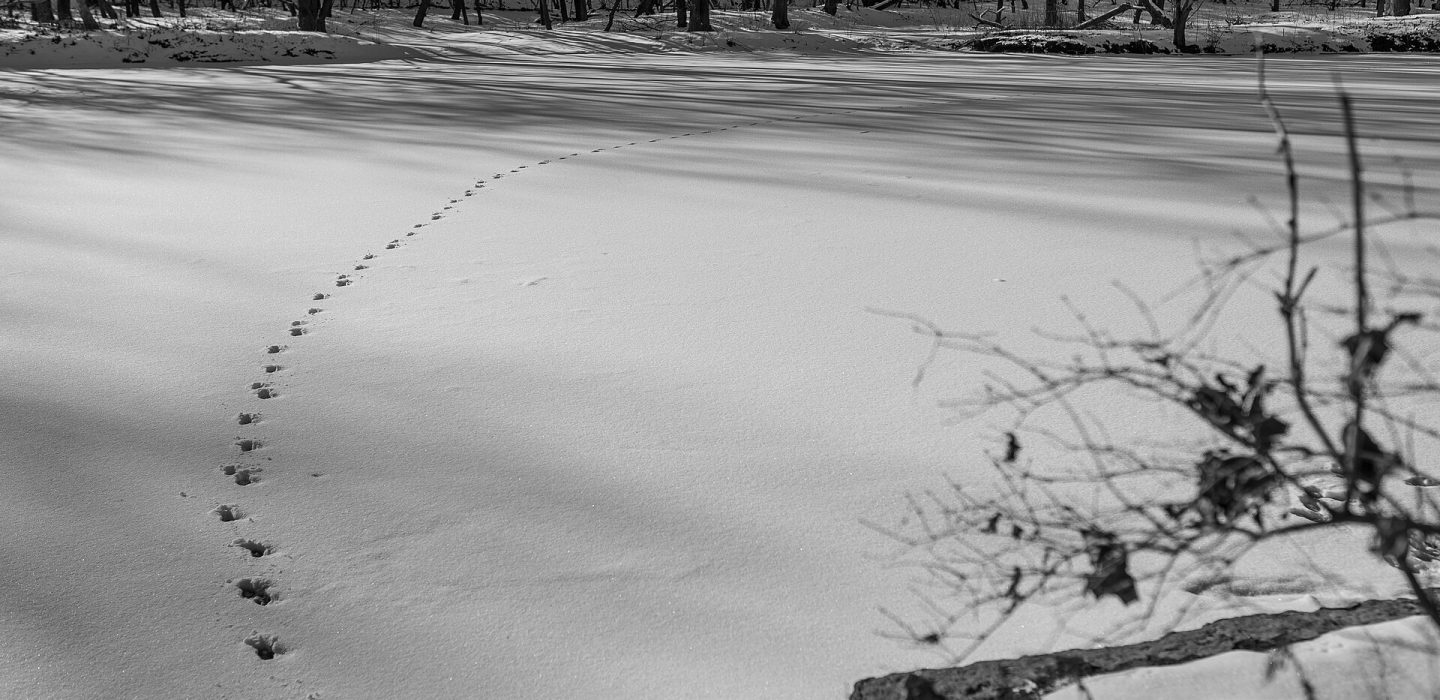


The Old Farmer’s Almanac expects a colder-than-usual winter in the Ohio Valley, one of the few corners of the country where its 2026-27 outlook leans cold while much of the nation is forecast to run milder. The publication’s forecast pins the coldest days in the region on mid- and late January, with the snowiest stretches arriving in the same weeks and again in mid-February and early March.
The forecast is a long-range almanac outlook, not a National Weather Service product, so it works best as a planning cue for when to have the heating system serviced, the car stocked and the pantry full rather than as a day-by-day prediction.
Where the Ohio Valley Stands on the Almanac’s Winter Map

The Old Farmer’s Almanac, in a winter outlook published October 8, 2026, headlines its national picture as a “Mostly Mild Winter” with “Colder, Snowier Spots Ahead.” Temperatures are expected to run near normal or warmer across much of the country, but the almanac singles out a band of colder-than-usual weather that stretches from central New England south through the Appalachians and into the Ohio Valley. That corridor already drew attention in this look at when the almanac says winter’s coldest stretches arrive in 18 regions.
Editor-in-Chief Carol Connare is quoted in the forecast saying that winter “won’t look the same everywhere this year,” a line that Newsweek also carried in its September 1 map story. For households planning around the holidays, the cold spell sits well after them, which leaves time for the kind of preparation that travelers heading out of town already have on their minds, such as choosing carry-on luggage that avoids the checked-bag fee.
The Numbers Behind Mid- and Late January
For the Ohio Valley, the almanac lists below-normal temperatures, with precipitation above normal in the east and below normal in the west. Snowfall is described as slightly below normal overall, which means the region is not being set up for a blockbuster season so much as a series of cold, snowy periods. The coldest periods are mid- and late January. The snowiest are mid- and late January, mid-February and early March.
That pairing matters for planning. When the coldest days and the snowiest days land together, as they do in the second half of January, road conditions and heating bills tend to peak at the same time. The Appalachian side of the same cold corridor is expected to be hit hardest in mid-January and February, a pattern covered in this Appalachian winter forecast, so the two regions share part of the calendar.
A cold January also changes the rhythm of the household. Families that lean on old routines when the weather turns, a habit captured in a roundup of boomer habits that are making a comeback, will recognize the appeal of breakfast classics that deserve a comeback on a frozen morning.
What the Farmers’ Almanac Says About Ohio and Kentucky
The Farmers’ Almanac, a separate publication, does not break out an Ohio Valley zone. Its extended forecast, last modified September 27, 2026, places Ohio and Kentucky in a Great Lakes and Midwest zone along with Indiana, Michigan, Illinois and Wisconsin. Its wording there is blunt: “The outlook for the Great Lakes and Midwest is cold, with snowy periods.”
The Farmers’ Almanac also expects fast-moving clippers and sudden cold snaps, with milder breaks in between. That is a different texture from the Old Farmer’s Almanac’s calendar of named weeks, but the two publications land in a similar place for this part of the country: colder than the nation as a whole, with several rounds of snow. Drivers who want a refresher before the first real storm can review the winter driving don’ts the National Highway Traffic Safety Administration lists, which cover habits like crowding a snowplow. Pets need a plan as well, and the rules vets recommend are collected in this guide to dog cold-weather rules from Cornell veterinarians.
One more detail from the Farmers’ Almanac reporting is worth noting. A September 14 NBC Chicago report on the Farmers’ Almanac outlook said El Niño is expected to contribute to a mild start to the season, with the risk of cold snaps remaining. In other words, both almanacs point to a gentler November and December before the deeper cold sets in, which leaves room for holiday customs, including a few of the odd American traditions that confuse the rest of the world.
Using the Forecast Without Over-Trusting It
Almanac forecasts are built from long-range methods, and the two publications use different ones, so they do not always agree. They disagree sharply in some regions, including the Great Lakes and Upper Midwest, where Newsweek’s September 2 comparison reports the Old Farmer’s Almanac expecting above-normal temperatures and the Farmers’ Almanac expecting near-normal ones. For the Ohio Valley, the overlap is more comfortable: both lean cold.
The practical reading is simple. Mid- and late January is the window the Old Farmer’s Almanac flags for the sharpest cold, and mid-February and early March are the windows it flags for late snow.
Dates to Mark Before the Cold Arrives
Meteorological winter begins on December 1, and the winter solstice falls on December 21, 2026, according to the Farmers’ Almanac. That leaves about four weeks before meteorological winter begins and about ten weeks until the stretch the Old Farmer’s Almanac marks as the coldest for the Ohio Valley.
A short checklist keeps the preparation manageable: have the furnace or heat pump serviced, check weatherstripping around doors, keep a winter kit in the car, and stock enough shelf-stable food for a few snowbound days. None of it depends on whether the almanacs prove right. It only depends on mid-January arriving on schedule, which it reliably does.
Get stories like this by email. Sign up for Crafting Your Home.
This article was produced with AI assistance and edited for accuracy against the sources linked above.
Image: Matthew.kowal – CC BY-SA 4.0/Wikimedia Commons


