

The post 14 Now-Useless Skills Most People Over 40 Developed first appeared on Crafting Your Home.
If you are over 40, you probably remember a time when finding a phone number meant opening a thick directory, getting somewhere new required reading a paper map, and watching a movie at home sometimes meant a trip to the video rental store. These were not unusual activities. They were ordinary parts of everyday life that required skills many people rarely need today.
Technology has changed how people communicate, find information, travel, and entertain themselves. Smartphones, search engines, digital cameras, and streaming platforms have replaced many tasks that once demanded patience and practical know-how. According to Pew Research Center’s 2024 report on mobile technology and home broadband, 90% of U.S. adults surveyed in 2023 owned a smartphone, while 95% used the internet. These figures illustrate how deeply digital technology has become part of everyday life in the United States.
Here are 14 once-essential skills that many adults over 40 developed, and the technologies that made them less necessary.
Adjusting Television Antennas
In the era of broadcast television, receiving a clear picture sometimes required manually adjusting an indoor antenna or repositioning an outdoor aerial. The result depended on signal strength, antenna placement, surrounding buildings, and distance from the transmitter. Viewers might slightly adjust an antenna, change its angle, or ask someone across the room whether the picture had improved. Analog television reception could produce visible interference, ghosting, or a snowy picture when the signal was weak.
Digital broadcasting changed how reception problems appeared. Instead of gradually worsening picture quality, a weak digital signal can cause freezing, pixelation, or complete picture loss. Streaming services have also given viewers another way to access television content, provided they have suitable internet access.
Manually adjusting an antenna is no longer a routine skill for many households, but it remains relevant for people who use terrestrial television. Understanding reception, cables, connectors, and signal placement can still help troubleshoot problems that software cannot fix.
Developing Film Photographs
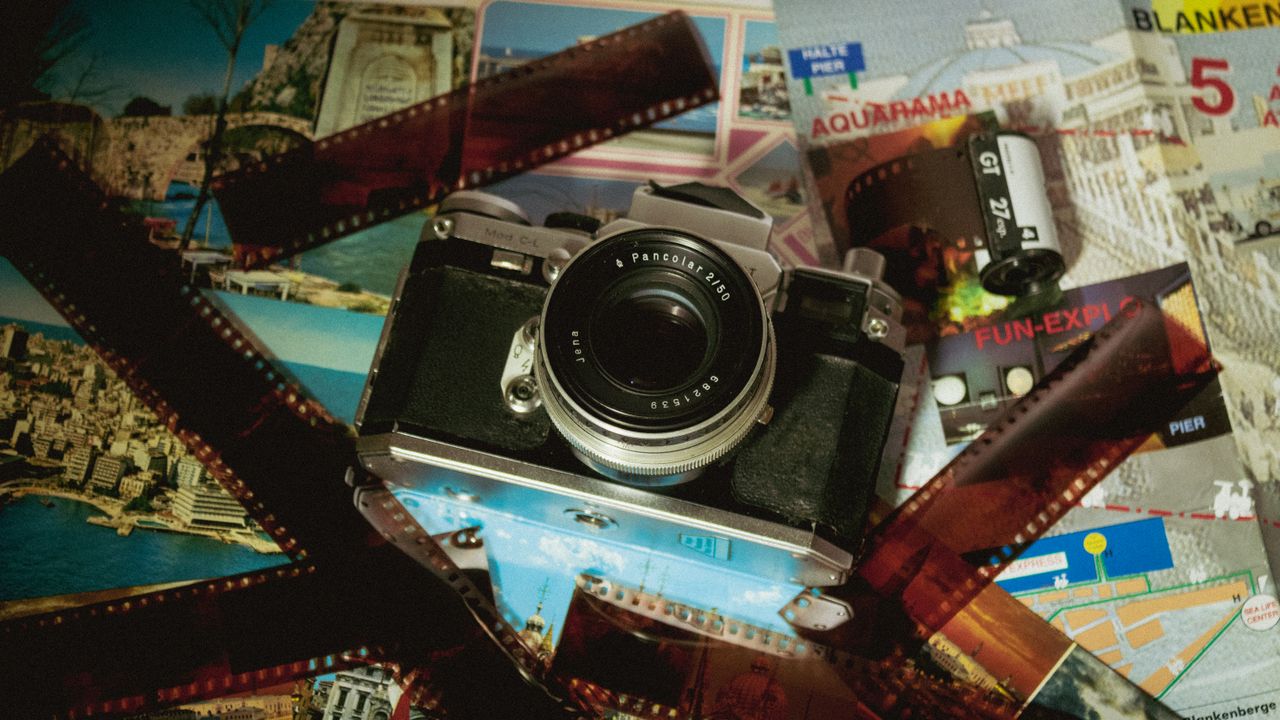
Taking a photograph once involved more than pressing a button and checking a screen. Film cameras recorded images on light-sensitive photographic film, which had to be processed before the pictures could be viewed as finished prints. Photographers had to consider lighting, focus, exposure, and how many frames they had left. Mistakes could mean permanently losing a photograph, while processing added time and expense. People often waited days to collect prints, only to discover later that an important picture was blurred or poorly exposed.
Digital photography changed this experience by allowing images to be reviewed immediately, stored electronically, and shared online. Smartphones made photography even more accessible by combining cameras with editing tools and internet connectivity.
Film photography has not disappeared. It remains popular among enthusiasts who appreciate its distinctive appearance, deliberate process, and physical negatives. It also matters for archival work and preserving historical images. For most everyday photographers, however, learning to load film, manage a limited number of exposures, and arrange chemical processing is no longer a requirement.
Related: 6 Vintage Items You Need to Ditch Right Now for a Modern Home
Using a Physical Phone Book
Before online directories and search engines, finding a business or household telephone number often meant consulting a printed phone book. Residential listings were usually organized alphabetically, while business directories used categories to help readers find services. Finding a number required knowing the correct spelling of a name or understanding which category a business belonged to. People also had to account for the directory’s publication date, so recently changed numbers might not appear.
The Library of Congress’s collection of historical telephone directories documents directories spanning much of the twentieth century, illustrating how widely these publications were used as information resources.
Today, search engines, online maps, and business directories can provide contact details, addresses, reviews, and opening hours in one search. Information can also be updated without printing and distributing an entirely new book. Most people no longer choose physical directories first, although printed records remain valuable for historical research. The more enduring skill is verifying contact information rather than assuming the first listing is correct.
Memorizing Phone Numbers
Before mobile phones stored contacts, people had to remember phone numbers. People memorized the numbers of family members, friends, workplaces, and businesses they contacted often. A missed digit could mean reaching the wrong person, while forgetting a number could leave someone searching a directory or asking someone else for help.
Modern smartphones have largely removed the need to memorize long lists of numbers. Contact applications store names, phone numbers, email addresses, and other details, letting users call someone with a few taps. Cloud synchronization can also transfer contacts between devices.
The trade-off is that people may remember fewer numbers because they no longer need to retrieve them from memory regularly. That doesn’t mean smartphones damage memory; it just reflects a change in how people manage information. Remembering a few important numbers can still be useful if you lose your phone, damage it, or run out of battery.
Reading Paper Maps to Find Your Way
For generations, road atlases and folded paper maps were essential travel tools. Drivers had to identify their starting point, locate their destination, estimate distances, and follow roads or landmarks along the way. Planning a journey often meant studying the route before leaving home. Digital navigation has made this process much easier. GPS-enabled devices can display a person’s approximate location, calculate routes, estimate arrival times, and provide spoken directions. Users can also change routes when traffic conditions change, depending on the application and available connection.
The underlying technology has changed the task rather than eliminating navigation altogether. Drivers still need to understand road signs, recognize unsafe routes, and make sensible decisions when directions are confusing. Paper maps also remain useful when electronic devices fail, or connectivity is unavailable. The old skill is less necessary for routine journeys, but the ability to orient yourself remains practical.
Related: 6 Challenging Travel Destinations for Those Over 60