



The post Noncitizens Can Lose Social Security Payments in These 8 Ways, and the 6-Month Rule Is Only One first appeared on Crafting Your Home.
Most coverage of noncitizens and Social Security stops at one rule: stay abroad six months and the checks stop. The statute, the regulations and SSA’s own operations manual describe a longer list, and several entries have nothing to do with travel.
Eligibility itself rests on a threshold. GAO testimony on the 1996 amendments explains that individuals must be lawfully present in the U.S. to collect, and the eight situations below can switch off payments already underway.
The six-month rule runs on a quieter clock than most people assume
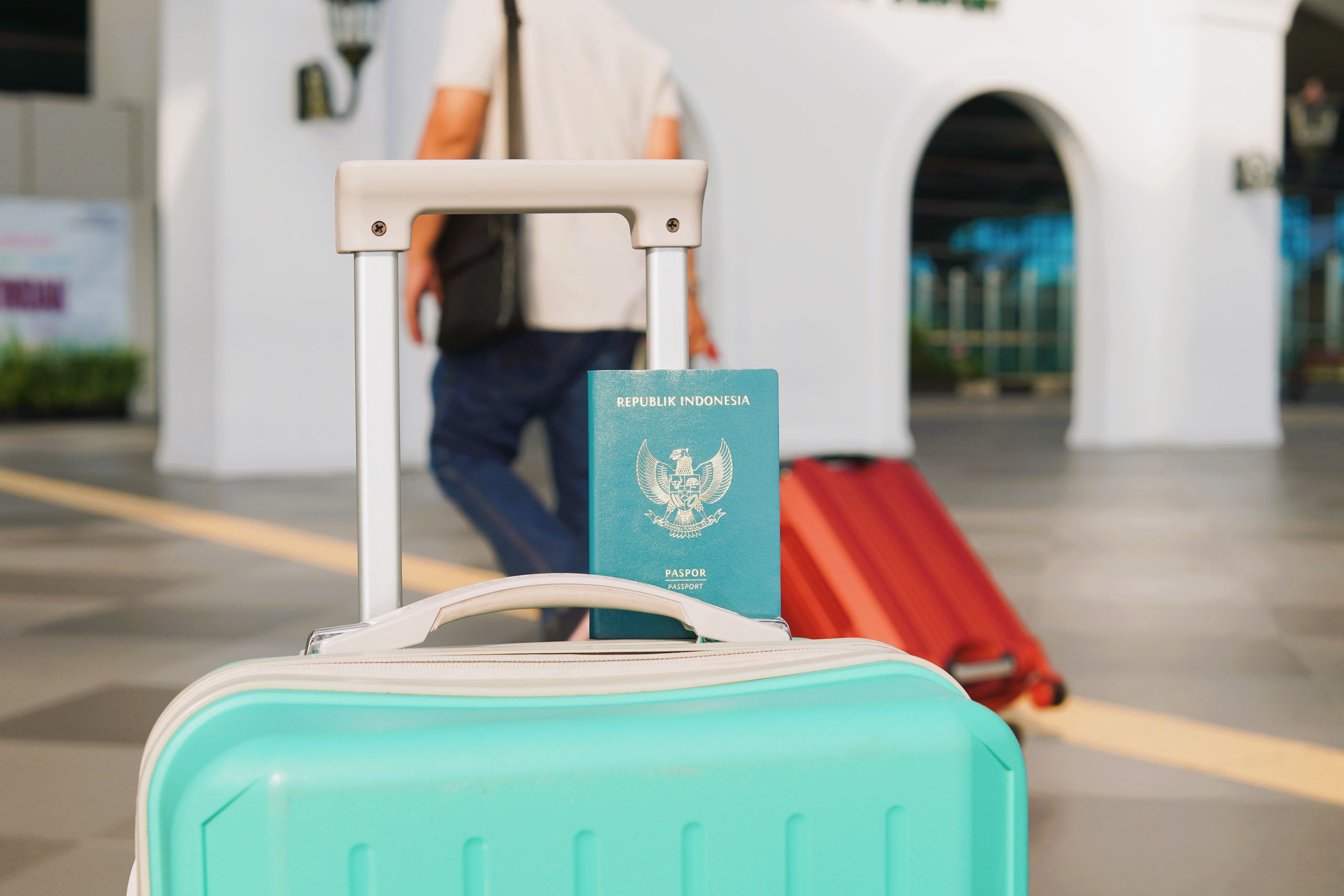
The Social Security Administration’s international payments page says it generally cannot pay retirement, survivors and disability benefits to noncitizens after their sixth calendar month outside the United States. Counting starts only after 30 consecutive days abroad, and anyone leaving for that long must file Form SSA-21. Payments stop the month after the sixth consecutive calendar month, per SSA guidance relayed by Cronista.
Exceptions exist, and there are nine of them. SSA’s operations manual on exceptions lists a worker with 40 credits and a worker who lived in the U.S. for 10 years, among others. Citizens of certain treaty countries are also covered, a list the federal regulation on treaty obligations names as Germany, Greece, Ireland, Israel, Italy and Japan, with a limit for the Netherlands.
Spouses and children get a harsher test
Someone drawing benefits on another person’s record faces an extra hurdle. Section 202(t)(11), as SSA’s manual summarizes it, generally bars payment to noncitizen dependents and survivors who first became eligible after 1984 and have been abroad more than six months, unless they meet a five-year U.S. residency requirement.
Mexico shows how it plays out. A Congressional Research Service report on noncitizen benefits notes that a Mexican worker can collect in Mexico, while family members must have lived in the United States at least five years to do the same.
Related Post: Widows and Widowers Who Remarry Before 60 (or 50 if Disabled) May Lose Social Security Survivor Benefits
Ephram Nestor lost his benefits and the Supreme Court said he had no property claim
Nestor became eligible for old-age benefits in 1955, was deported, and had his payments terminated under Section 202(n). In Flemming v. Nestor, the justices held the termination did not violate due process. Another passage of the Cornell Legal Information Institute’s text of the opinion says his right to benefits was not an accrued property right.
The principle still operates. SSA’s operations manual on removal says a removed worker’s retirement and disability benefits stop once DHS reports the removal. A DHS–SSA data-sharing agreement adds that auxiliary and survivor benefits on that worker’s record are barred too, so relatives who stayed behind can lose income they never did anything to forfeit.