
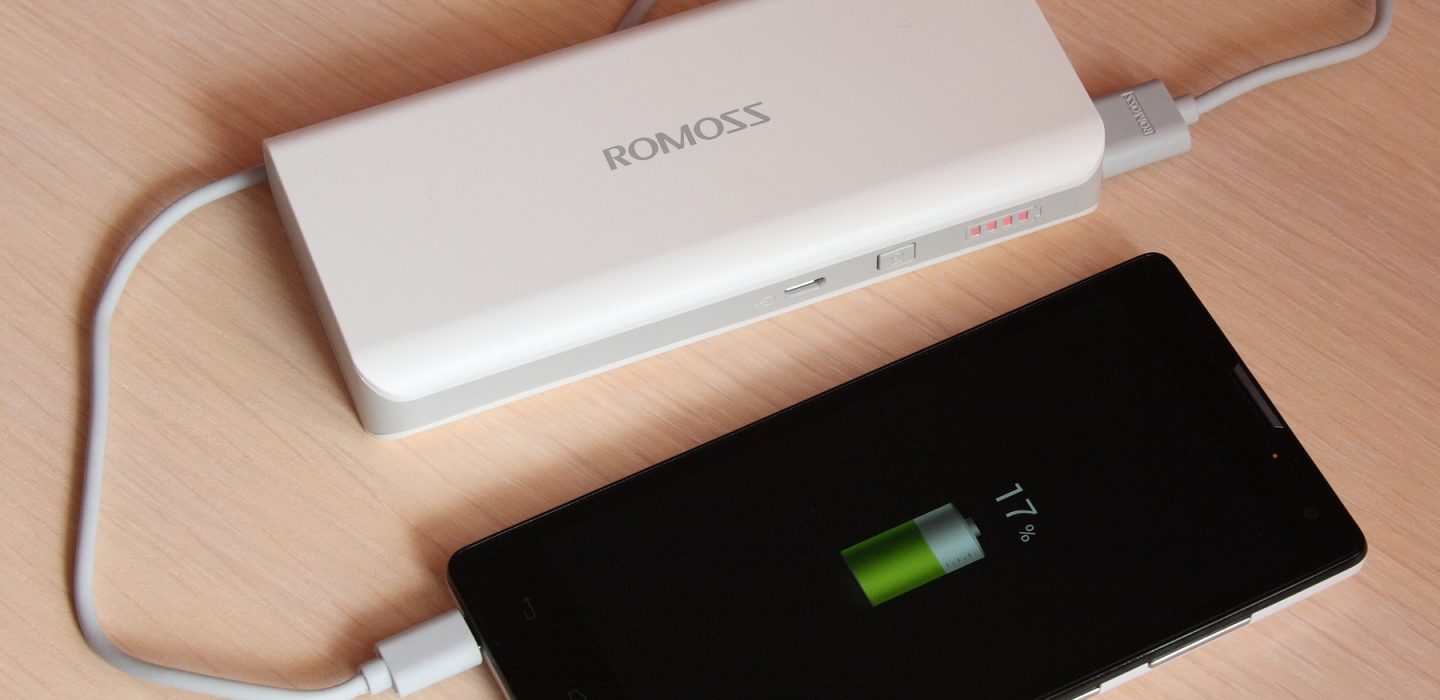


A black portable charger with a bright yellow cable may be tucked in a purse, a glove box or a carry-on right now, and it is worth a second look before holiday travel. NEWDERY is recalling about 21,380 power banks sold on Amazon after reports that they exploded and caught fire, including one serious fire that caused $2 million in property damage, according to the U.S. Consumer Product Safety Commission.
What happened with the NEWDERY power banks

The problem sits inside the case. The lithium-ion battery in the power banks can explode or ignite, posing fire and burn hazards, according to the federal recall record on SaferProducts.gov.
NEWDERY has received nine reports of the power banks exploding and igniting. One of those was the fire that caused $2 million in property damage, and one report involved a burn injury. It is a sobering reminder that the small gadgets stashed around the house deserve the same attention as the big appliances, much like the HotHands rechargeable hand warmers recalled over fire risk. Before packing, it also belongs on any checklist of essential travel accessories to inspect, not just to toss in a bag.
CPSC announced the recall on September 24, 2026, under recall number 26-792. This is not the first public notice about these chargers: CPSC had already issued a Product Safety Warning about them on June 5, 2025.
How to tell if a power bank is part of the recall
The recall covers NEWDERY power banks with model number ZHX-PB22. They are black with yellow cables. The brand name “NEWDERY” is engraved on the front, and the model number “ZHX-PB22” is printed on the back.
They were sold on Amazon.com from October 2023 to November 2024 for between $27 and $50, and they were made in China. Anyone who bought a portable charger on Amazon during that window, or received one as a gift, can settle the question in a few seconds by flipping it over and reading the back.
Power banks tend to drift around a household. One ends up in the car, another in a backpack, another in a kitchen drawer with the takeout menus. A quick sweep of the usual hiding spots is the fastest way to find a forgotten one.
What to do with a recalled NEWDERY power bank
Stop using it immediately and contact NEWDERY for a full refund, CPSC says. The refund process asks for a photo of the power bank showing the model number, the serial number, and the word “recalled” plus the owner’s last name written on it in permanent marker. Owners also have to confirm the power bank was disposed of in line with local laws before the refund is issued.
NEWDERY can be reached toll-free at 888-256-6673 from 11 a.m. to 7 p.m. ET, Monday through Friday, by email at support@newdery.com, or online at newdery.com by clicking “Recall” at the top of the page.
Disposal is the part that trips people up. CPSC warns not to throw the battery or device in the trash, the curbside recycling bin, or the used-battery drop boxes found at many retail and home improvement stores, because recalled lithium-ion batteries carry a greater fire risk. The EPA’s guidance on used lithium-ion batteries points to household hazardous waste collection sites instead, and it recommends covering battery terminals with non-conductive tape and bagging each battery separately.
CPSC suggests calling the local household hazardous waste center first to ask whether it accepts recalled lithium-ion batteries. If it does not, the city or county can advise on next steps. The agency’s full list of current recalls is also worth a scan for other chargers and battery-powered gadgets, such as the Dollar Tree electric balloon pumps recalled after reports of flames.
Packing a power bank for holiday flights
For anyone flying this season, the rules on portable chargers are strict for a reason. The FAA’s PackSafe guidance says spare lithium-ion batteries, including power banks, must travel in carry-on bags only, never in checked luggage. If a carry-on gets checked at the gate, power banks have to come out and stay in the cabin.
The FAA limits most lithium-ion batteries to 100 watt-hours each, with airline approval needed for larger ones up to 160 watt-hours. It also says damaged or recalled batteries that could spark or overheat are barred from both carry-on and checked bags unless they have been removed or made safe, so a recalled NEWDERY unit belongs at home.
The agency advises protecting terminals from short circuits and telling the flight crew immediately if a battery or device starts overheating, swelling, smoking or burning. Leaving a recalled charger at home is one of the easier travel blunders that turn a vacation into a stress fest to avoid, along with the other night-before habits seasoned flyers swear by in these tips for the night before a winter flight. Some airlines set even tighter limits on how many power banks a passenger can bring, so checking with the carrier and comparing the cheapest airlines to fly can happen in the same sitting.
Get stories like this by email. Sign up for Crafting Your Home.
This article was produced with AI assistance and edited for accuracy against the sources linked above.
Image: Ilya Plekhanov – CC BY-SA 3.0/Wikimedia Commons


