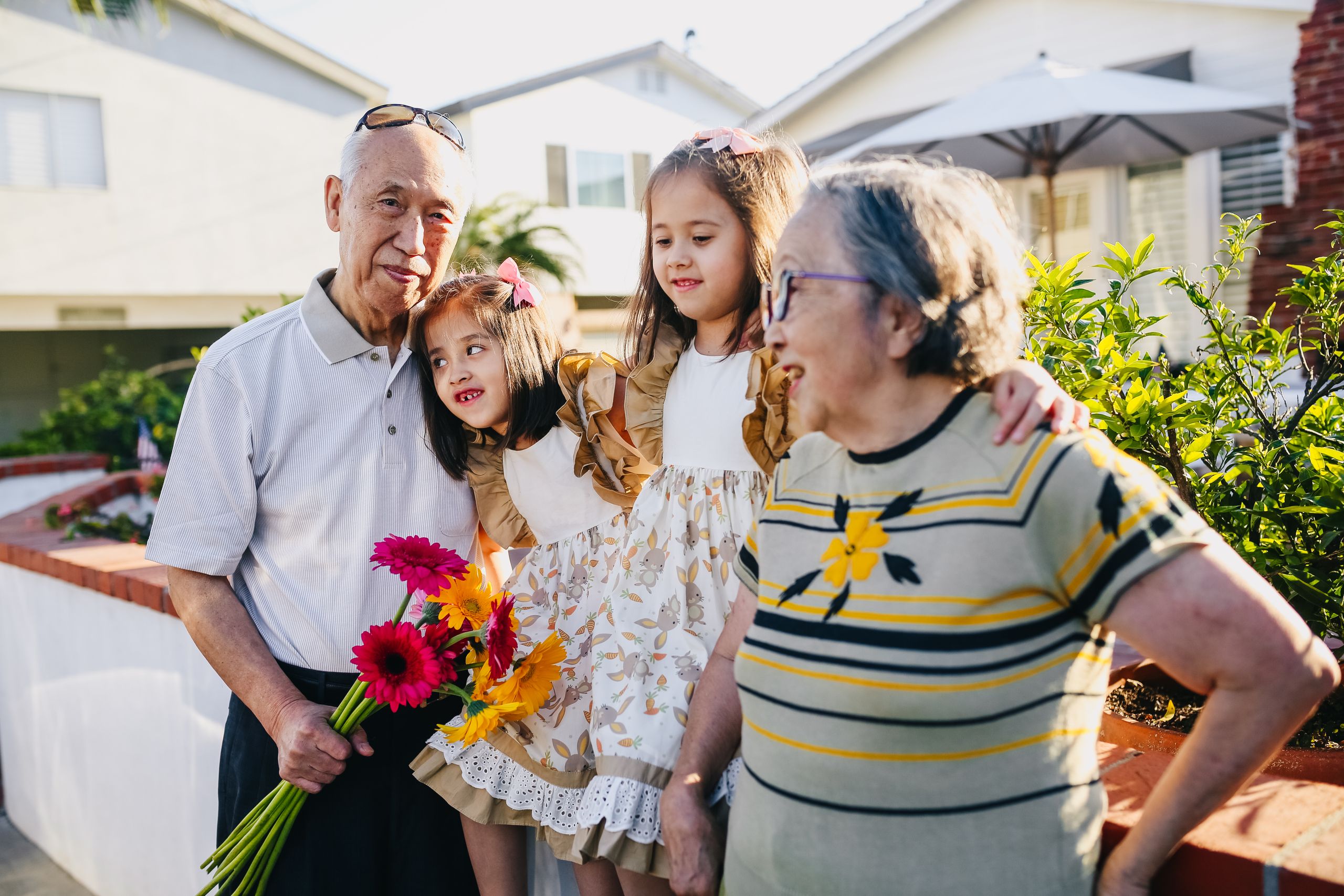
Across cultures, grandparents hold a special place in family life. They are often seen as keepers of traditions, storytellers, caregivers, and sources of wisdom and comfort. While the role of a grandparent is valued worldwide, the names grandchildren use can vary widely from one country and language to another.
Some names are familiar across many cultures, while others reflect unique languages, histories, and family traditions. From “Nana” and “Oma” to “Lolo” and many others, these affectionate names reveal the many ways families express love and respect for older generations.
Nana and Papa: Familiar Names Across Many Cultures
Image credit: Expect Best/pexels
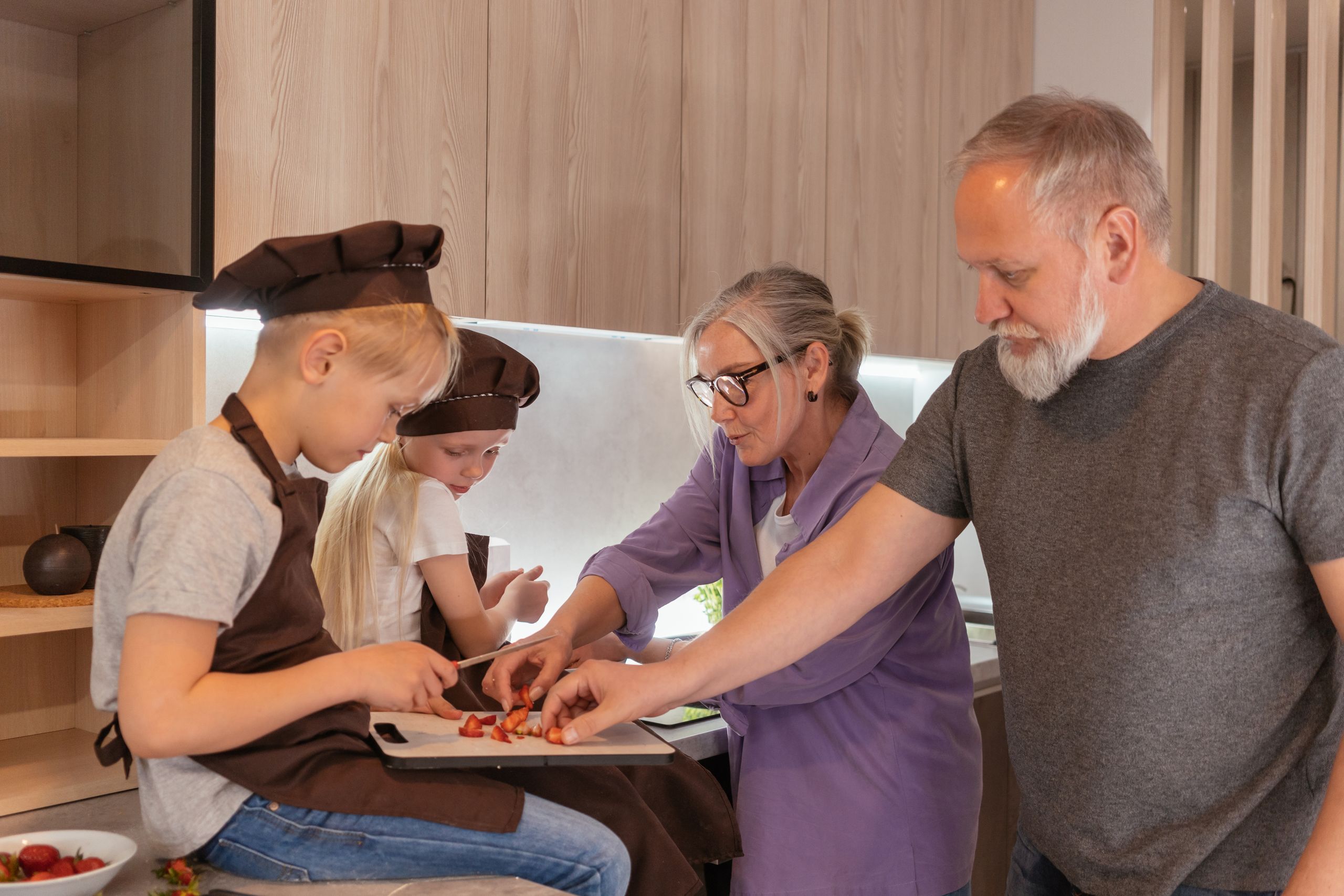
“Nana” is one of the most widely recognized names for a grandmother in English-speaking families. People often choose it because it is easy for young children to pronounce and has a warm, affectionate sound. In many parts of the United States, the United Kingdom, Canada, and Australia, children may call their grandmothers Nana, Nan, or Nanny.
Similarly, grandfathers may be called Papa, Grandpa, Granddad, or Pops. These names are often less about formal titles and more about closeness. Many families create their own versions based on what feels natural for children and reflects the grandparent’s personality.
Oma and Opa: German Grandparent Names
In German-speaking countries, grandchildren commonly call their grandparents Oma (grandmother) and Opa (grandfather). Many families worldwide with German heritage also use these names.
Oma and Opa carry warmth and familiarity. They are often associated with family gatherings, traditional meals, childhood memories, and the close relationships that many grandparents share with their grandchildren.
Lolo and Lola: Filipino Terms of Affection
Image credit: cottonbro studio/pexels
In the Philippines, grandparents are often called Lolo for grandfather and Lola for grandmother. These names come from Filipino languages and are widely used in Filipino families.
Grandparents traditionally play an important role in Filipino family life. Many households value strong connections between generations, and grandparents often help raise children, share family stories, and pass down cultural traditions.
Nonna and Nonno: Italian Grandparents
In Italy, grandchildren commonly call their grandparents Nonna for grandmother and Nonno for grandfather. These names are also popular among Italian families living abroad.
Italian grandparents are often closely connected to family life, especially through traditions involving food, celebrations, and storytelling. For many families, the words Nonna and Nonno bring to mind warmth, home-cooked meals, and family gatherings.
Abuela and Abuelo: Spanish-Speaking Families
Image credit: Mikhail Nilov/pexels
In Spanish-speaking cultures, grandchildren often use Abuela for grandmother and Abuelo for grandfather. Shortened versions, such as Abuelita and Abuelito, are also common and add a sense of affection.
These terms are used throughout Spain, Latin America, and many Spanish-speaking communities worldwide. Grandparents are frequently respected figures within families, helping preserve language, history, and cultural traditions.
Yaya and Papou: Greek Grandparents
Greek families traditionally use Yaya for grandmother and Papou for grandfather. These names are common in Greek communities worldwide.
Grandparents often have an important role in Greek families, especially in maintaining connections between generations. The names Yaya and Papou are often associated with family traditions, celebrations, and close-knit relationships.
Babcia and Dziadek: Polish Grandparents
Image credit:Antoni Shkraba/pexels
In Polish families, grandchildren may call their grandmother Babcia and their grandfather Dziadek. These names reflect the Polish language and the importance of family relationships in Polish culture.
Many Polish families place strong value on honoring older generations, with grandparents often passing down stories, traditions, and family history.
Halmeoni and Harabeoji: Korean Grandparents
In Korean, grandchildren commonly use Halmeoni for grandmother and Harabeoji for grandfather. These names reflect the respect traditionally given to older family members in Korean culture.
Grandparents often play important roles in Korean families, helping teach children about family values, customs, and cultural heritage.
Bà and Ông: Vietnamese Grandparents
In Vietnamese families, grandchildren may call their grandmother Bà and their grandfather Ông. These simple but meaningful words reflect the importance of family hierarchy and respect in Vietnamese culture.
Grandparents are often honored as important family members who provide guidance, wisdom, and support.
Jiddo and Teta: Arab Grandparents
Image credit: RDNE Stock project/pexels
In many Arabic-speaking families, grandchildren use names such as Jiddo for grandfather and Teta for grandmother. However, terms vary by country, region, and dialect.
Grandparents often have a central role in extended families, helping maintain traditions, family connections, and cultural identity.
The Personal Meaning Behind Grandparent Names
Although grandparent names differ around the world, they share something in common: they represent love, connection, and family bonds. Some names are passed down through generations, while others grandparents choose or children create naturally.
A grandparent’s name often becomes connected to memories, the sound of their voice, their favorite stories, their advice, and the moments shared. Whether a child says Nana, Oma, Lola, Nonna, or another special name, the meaning is often the same: a beloved person who holds an important place in their life.
Across languages and cultures, these names remind us that while families may express love differently, the bond between grandparents and grandchildren is universal.