The post More Kids Are Starting Kindergarten Not Potty Trained, So Who Should Be Responsible: Parents or Schools? first appeared on Crafting Your Home.
Six kindergartners and a growing stack of pull-up packages dropped off by their parents. A teacher posted that tally, adding that none of the children have an IEP and that the union already knows. The teacher accepts that every child has a right to a public education and that paraprofessionals are contracted to help with cleanup, yet asks when teaching the skill became the school’s job.
The complaint predates any single thread. In Buffalo, New York, WBUR’s January 2019 reporting described a teacher who lost two assistants over soiled pull-ups, and teachers there said untrained children were arriving in rising numbers, mostly in pre-K and kindergarten. No policy told anyone what to do next, so the question moved from the classroom to the union.
The legal and financial questions underneath are already concrete, since someone has to change the child, buy the supplies, and teach the skill.
Schools cannot turn a diaper-wearing kindergartner away
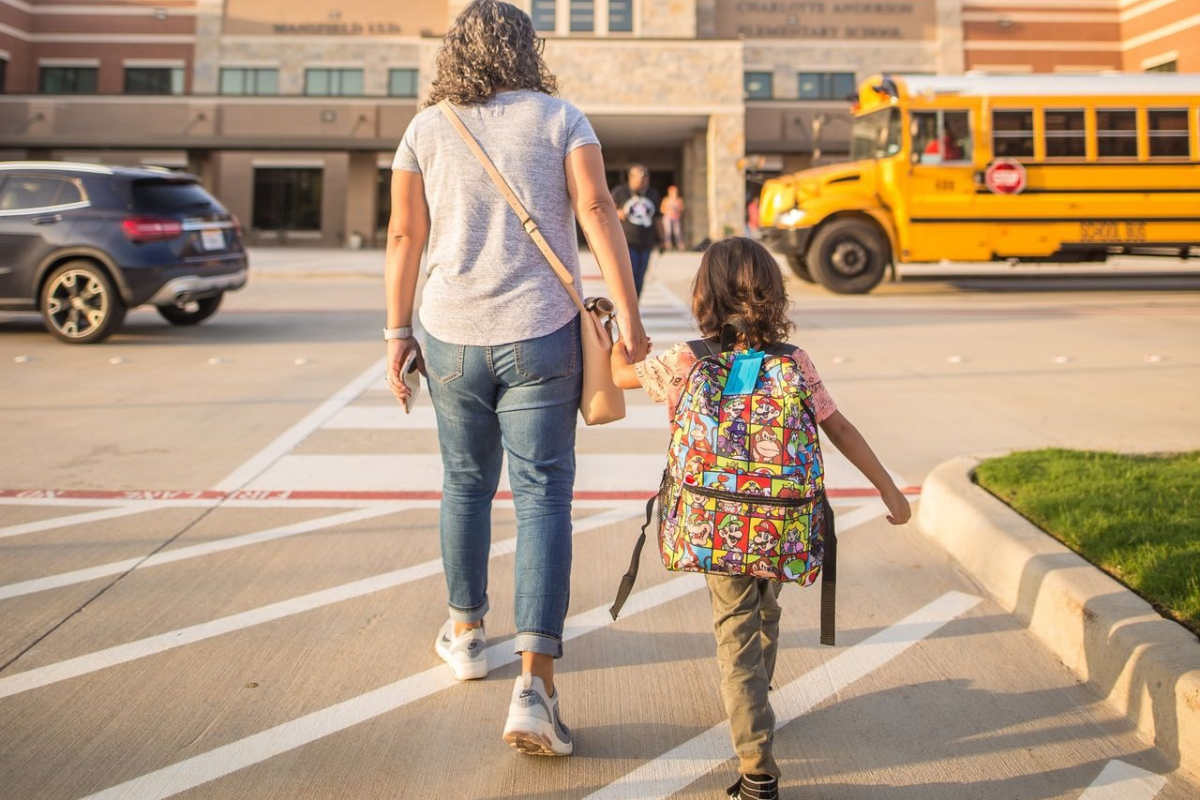
New York’s State Education Department settled the enrollment question in a 2023-24 memo to superintendents. Mastery of self-care skills, including toilet training, cannot be a condition of enrolling in pre-K or kindergarten. Districts have no authority to add criteria, and the memo calls the work that follows toilet learning.
Staffing gets the same bluntness. Where a teacher contract bars teachers from helping with toileting, the district must hire staff who can. In other words, the district carries the burden.
Teachers say changing diapers was never in the contract
Phil Rumore, president of the Buffalo Teachers Federation, argued in an Associated Press report that teachers are not contracted to change diapers. The district answered only that it was willing to keep talking.
The exchange is the whole dispute in miniature. A rule that bars exclusion without funding a response leaves the work to whoever stands closest, and in Buffalo that meant aides walking out.
Parents still own the supply bill and the first lesson

Maine’s education department draws the line more precisely. A public district cannot refuse to enroll or serve a child with toileting needs, yet Maine’s toileting support resource expects the parent or guardian to send clean clothes, underwear, pull-ups and diapers.
It also points toward coordinated training at home and school, with a liaison, teacher or school nurse involved. Families supply and teach; schools respond and reinforce. Only the second half of that split shows up reliably in policy.
Almost every child trains by four, which is why outliers stand out
2%. That is the share of 482 children still untrained at 48 months in research by Penn physicians Bruce Taubman and Nathan Blum, summarized in the Penn Gazette. Only 4% were trained by age two, 22% by 30 months, 60% by 36 months, and 88.5% by 42 months.
Boys lagged. 48%% of boys were not trained until after their third birthday, compared with 30% of girls.
Against that curve, a five-year-old in diapers sits far outside the range, which explains why a single child per classroom registers as a crisis to the adult responsible for twenty-five others.
Starting earlier does not buy an earlier finish
Parents who began intensive training before their child turned two were not rewarded for the head start. Blum, Taubman and Nicole Nemeth enrolled 406 children at 17 to 19 months and followed 378 of them with phone interviews every two to three months, as the Pediatrics abstract on PubMed lays out. Beginning intensive training before 27 months did not correlate with finishing sooner, and younger starts were linked with longer training.
Pressure on toddlers buys nothing, and the data undercuts blaming parents who simply waited.
Related Post: 10 Phrases That Build a Child’s Confidence — According to Child Development Experts
Enrollment pressure appears to push the finish line back
A kindergarten deadline can be a poor teacher. A multicenter study in Anales de Pediatría found that beginning training because school enrollment loomed was independently associated with achieving control later, alongside male sex.
The finding shows association, not proof of cause. Still, a spring scramble before September looks like the weakest plan on offer, and districts that send reminder letters in August may be handing out advice that backfires.
Teachers reject the pandemic excuse and point to home
Among educators, the pandemic explanation gets little sympathy. We Are Teachers’ roundup of classroom accounts reports teachers rejecting the idea that COVID explains the delays, and suggesting some parents act on bad advice or apply good advice to the wrong child.
Commenters in that discussion were talking about neurotypical children without developmental delays. The outlet itself adds a caveat worth keeping: some families try hard, and progress still doesn’t come. Anecdote carries the roundup, so treat it as a signal about teacher sentiment rather than a measurement.
Parents own the training and districts own the response
Parents hold the first responsibility. They know the child, control the hours before school and decide when to begin, and nothing in the research suggests that waiting until closer to age three costs them anything.
Districts hold the second, whether they like it or not. The law forbids turning the child away, and when contracts bar teachers from helping, staffing falls to the employer. A union factsheet, dated August 2026, tells districts to adopt written diapering and toileting plans, a basic step Buffalo’s teachers asked for years earlier.
The child at the center never chose the timeline. Parents who send them in with supplies and a plan, and districts that staff the response without blaming the five-year-old, are the only combination that keeps that child out of the argument.
Other Posts You May Like
If you like what you just read, then subscribe to our newsletter and follow us on social media.