


This article was originally published on Crafting Your Home. A human contributor also wrote and edited the post.
For generations, going out to eat meant more than just getting food. It was about conversation, hospitality, comfort, and enjoying a meal without unnecessary complications.
But the modern restaurant experience has changed dramatically.
Today’s dining world is filled with smartphone menus, automated ordering systems, digital payment screens, loud open layouts, surprise fees, and food presentations designed more for social media than satisfaction. While many younger diners embrace these changes, many Baby Boomers feel that something important has been lost along the way.
Boomers are not against innovation. They have adapted to decades of technological changes and shifting lifestyles. What frustrates many older diners is when technology replaces human connection, convenience replaces comfort, and trends take priority over making guests feel welcome.
As restaurants continue evolving, these are some of the biggest changes that many Boomers believe have made dining less enjoyable.
QR Code Menus That Turn Dinner Into a Technology Challenge
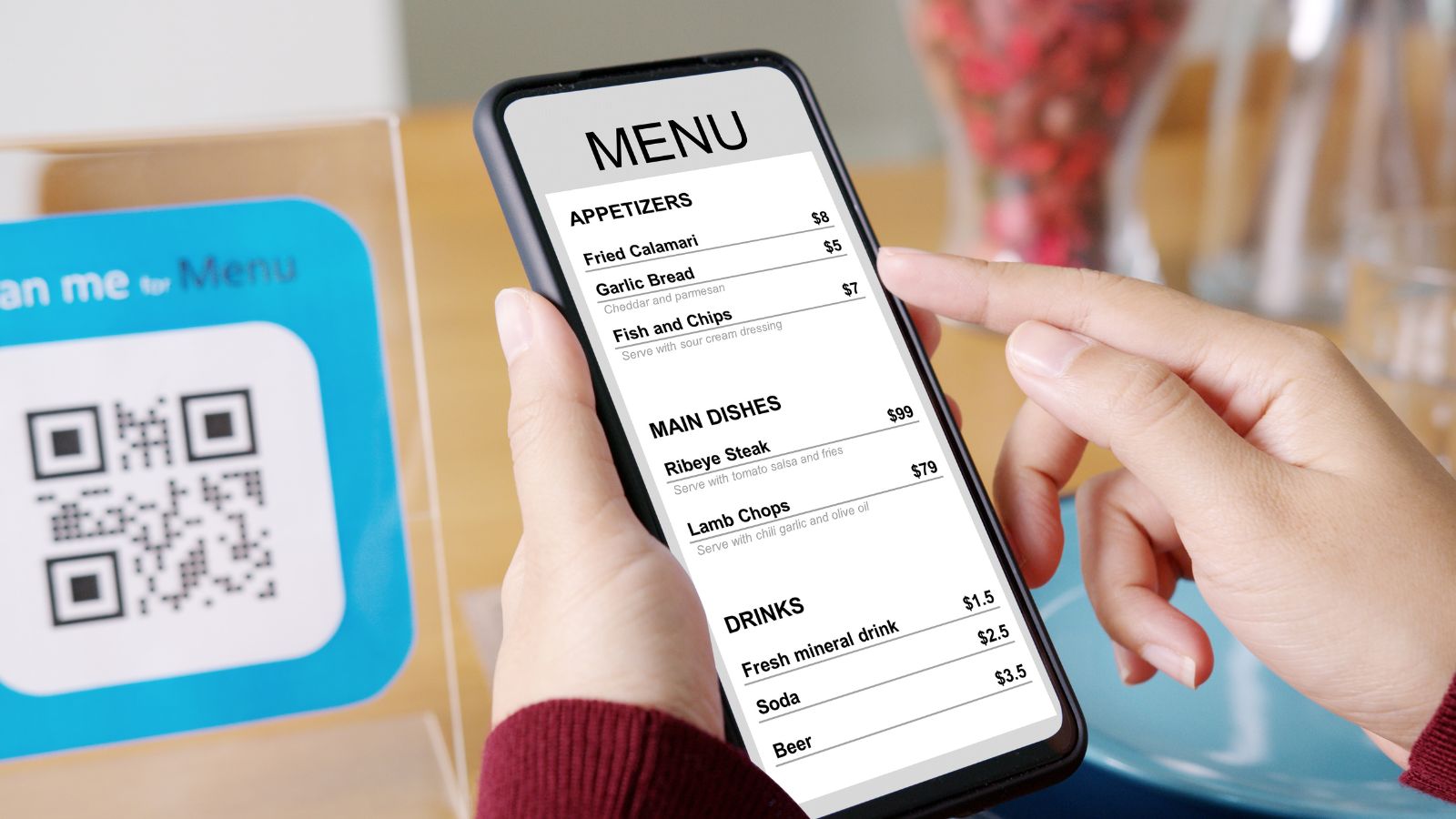
Instead of receiving a menu from a server, many restaurants now expect customers to pull out their phones, scan a QR code, navigate a website, and search through digital pages before ordering.
For younger customers who are comfortable doing everything through their phones, this may feel efficient. But for many Boomers, it changes the entire atmosphere of dining.
A restaurant meal used to begin with conversation, browsing choices, and enjoying the experience. Now, some diners feel like they are starting dinner by troubleshooting technology.
There are also practical frustrations. Phones die, internet connections fail, screens are difficult to read, and not everyone wants to spend their meal staring at a device.
Many older customers believe QR codes can be useful for specials or additional information, but replacing every printed menu removes an important part of traditional hospitality.
Dark Restaurants With Impossible-to-Read Menus
Many restaurants use dim lighting to create a stylish atmosphere.
However, some diners feel that many establishments have taken the concept too far.
Dark rooms, small fonts, and low-contrast menus can make ordering unnecessarily difficult.
A restaurant’s design should improve the experience, not create obstacles.
Many Boomers believe comfort should come before appearance.
Good lighting and readable menus do not make a restaurant less sophisticated. They simply make it easier for customers to enjoy their meal.
Restaurants That Refuse Cash Payments

The move toward cashless restaurants has created another divide between generations.
Many younger customers prefer digital payments because they are fast and convenient. However, many Boomers still appreciate having the option to pay with cash.
Cash provides simplicity and control. Some customers use it for budgeting, while others prefer not to rely entirely on digital systems.
When restaurants refuse cash completely, some older diners feel excluded.
They do not see cash as outdated. They see it as reliable.
A modern restaurant does not have to choose between technology and tradition. Accepting multiple payment options allows more customers to feel comfortable.
Restaurants Designed for Social Media Instead of Customers
One of the biggest criticisms of modern dining is the influence of social media.
Some restaurants design meals, interiors, and experiences specifically to look impressive online.
Colorful drinks, dramatic presentations, and unusual decorations may attract attention on social platforms.
However, some older diners believe restaurants should focus first on the people sitting at the table.
A restaurant should not only create something worth photographing. It should create something worth remembering.
The best dining experiences have always been about more than appearance.
Communal Tables That Remove Personal Space
Communal seating has become popular in some modern restaurants.
The idea is to create a social atmosphere where strangers share a dining space.
While some younger diners enjoy the energy, many Boomers prefer privacy.
For them, going to a restaurant often means enjoying personal time with their own group.
Sharing a table with strangers can feel uncomfortable, especially during important conversations or special occasions.
Many older diners believe restaurants should provide options.
Social seating can exist, but customers should also have choices for quieter and more private dining experiences.
Digital Tip Screens That Create Pressure

Few modern restaurant changes create as much frustration as electronic tipping screens.
A customer buys a simple item, pays at a counter, and suddenly faces a screen asking for a 20%, 25%, or even 30% tip while an employee watches.
Many Boomers remember tipping as a reward for personal service. A waiter who provided excellent attention earned appreciation.
The newer system feels different to many older customers because the expectation appears before the service happens.
The discomfort is not about refusing to reward good workers. Many older diners are generous tippers when they receive quality service.
The frustration comes from feeling pressured into making a decision in front of someone else.
Many believe restaurants should make tipping simple, transparent, and based on service rather than creating an uncomfortable digital moment.
Restaurants That Are Too Loud To Have a Conversation
Many modern restaurants focus heavily on atmosphere, but some diners believe the atmosphere has gone too far.
Hard floors, open designs, loud music, and crowded seating can create spaces where customers struggle to hear each other.
For Boomers, dining out is often about connection. They want to talk with family, catch up with friends, or enjoy a meaningful conversation.
A restaurant where guests must repeat themselves several times does not feel relaxing.
The problem is not simply the volume. Noise affects the entire experience. Guests may leave earlier, avoid returning, or choose quieter locations where they can actually communicate.
A stylish restaurant is not just about impressive decorations. Many older diners believe true hospitality includes creating a comfortable environment where people can enjoy each other’s company.
Conclusion
The restaurant industry will continue changing. Technology, new customer expectations, and evolving lifestyles will shape how people eat for years to come.
However, many complaints from Boomers highlight a simple truth: innovation works best when it improves the experience instead of replacing the human connection behind it.
A great restaurant does not have to choose between tradition and modern convenience.
The strongest restaurants may be the ones that offer both: digital options for those who want them, personal service for those who value it, fair pricing, comfortable spaces, and food that makes people want to return.
Because at the heart of dining out is something that has remained unchanged for generations: people want to feel welcomed, respected, and appreciated.
If you like what you just read, then subscribe to our newsletter and follow us on social media.


