

Federal prosecutors in Minnesota have charged 15 people in a sweeping case tied to clashes, surveillance, blockades, and protests during the Trump administration’s immigration crackdown in the Twin Cities.
The charges, announced Tuesday, June 16, 2026, mark one of the most aggressive federal responses yet to the unrest that followed Operation Metro Surge, the large immigration enforcement campaign that brought thousands of federal agents into Minnesota earlier this year. Prosecutors say the defendants did not simply protest immigration raids, but allegedly joined a coordinated effort to interfere with federal officers carrying out arrests and deportations.
Prosecutors Say the Group Went Beyond Protest

Minnesota U.S. Attorney Daniel Rosen announced the indictment alongside Homeland Security officials, saying the defendants allegedly used force, intimidation, and planning to disrupt federal immigration enforcement.
According to prosecutors, the alleged tactics included setting up blockades near government buildings, tracking federal vehicles, using group chats to coordinate responses, forming human chains, and following agents as they moved through Minneapolis and surrounding areas. The indictment focuses heavily on alleged activity around the Bishop Henry Whipple Federal Building, which houses ICE offices near Minneapolis Saint Paul International Airport.
Rosen said the case was not about protected speech. He told reporters that the defendants were being charged for alleged conduct, not for expressing political views. Prosecutors say the group’s actions were aimed at blocking ICE operations during Operation Metro Surge, including movement to and from federal facilities.
Some defendants face only the central conspiracy charge, while others face additional allegations. Reported charges include solicitation to commit a crime of violence, interstate threats, interstate stalking, assaulting a federal officer, and destruction of government property.
Four defendants are accused of more specific conduct. Prosecutors allege that two people followed federal officers from the Whipple Building into Hudson, Wisconsin, leading to interstate stalking charges. One defendant is accused of kicking and denting a federal vehicle and knocking papers from an agent’s hand.
Another is accused of brake-checking and side-swiping a federal vehicle while following it. All defendants are presumed innocent unless proven guilty in court.
Operation Metro Surge Created a Flashpoint in Minnesota
The indictment cannot be separated from the wider conflict around Operation Metro Surge. The enforcement campaign began after the Trump administration announced a major immigration operation in Minnesota, citing concerns that included fraud investigations involving members of the Somali community.
Federal officials described the campaign as a major effort to enforce immigration law. Critics in Minnesota said the operation flooded local communities with masked federal agents, unmarked vehicles, and aggressive tactics that frightened immigrant families and disrupted daily life.
AP reported that prosecutors said Operation Metro Surge resulted in more than 4,000 arrests. The campaign also triggered large protests, lawsuits, and tense confrontations between federal officers, local residents, and immigrant rights observers.
For many Minnesotans, the crackdown became more than a law enforcement operation. It became a test of how far federal immigration power could reach into local communities, and how far residents could go in resisting or observing that power.
Defense Attorneys and Advocates Push Back
Defense attorney Kevin Riach, who represents defendant Isaac Sant, rejected prosecutors’ attempt to connect his client to antifa. He described the label as a political scare tactic and said the case is meant to intimidate people who protested or observed ICE activity.
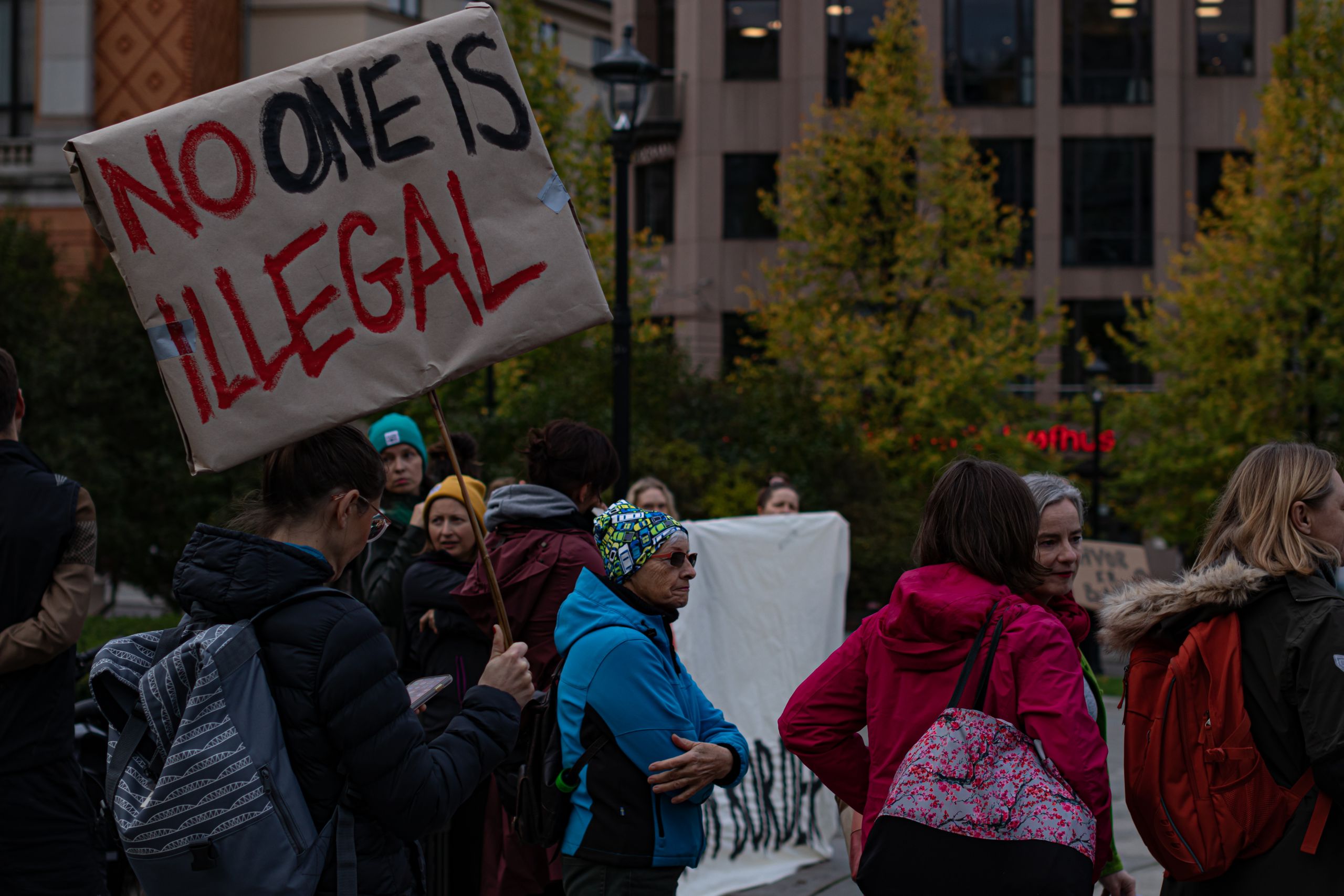
Outside the courthouse, protesters denounced the arrests and accused federal officials of using criminal charges to punish opposition to Trump’s immigration agenda. Some local activists said community observers had followed ICE agents in public places to document enforcement activity and warn residents about raids.
Civil rights groups have also raised concerns about the indictment’s chilling effect. Their argument is simple: if people believe they could face federal charges for showing up near immigration activity, filming agents, or helping neighbors, fewer people may be willing to observe government conduct in public.
Federal prosecutors reject that framing. Rosen said the allegations involve coordinated force, not ordinary protest. He also suggested that additional charges could be filed if investigators find further evidence of organized efforts to impede federal officers.
The Indictment Relies on Messages, Videos, and Alleged Coordination
Prosecutors say defendants discussed bringing materials to block federal vehicles, using shields, organizing trainings, and mobilizing quickly when ICE activity was reported.
They also pointed to videos and online statements from Kyle Wagner, one of the defendants who was already in custody before Tuesday’s announcement. Wagner had previously been charged in a separate case involving alleged online threats against ICE agents.
Prosecutors have cited social media posts in which he allegedly urged followers to confront federal immigration officers. His attorney status in the earlier case was unclear in some reports. The use of online speech as evidence could become a central issue in the courtroom.
Prosecutors may argue that the posts and messages show intent, planning, and coordination. Defense lawyers may argue that heated political language, even harsh or offensive language, does not automatically prove a conspiracy to commit violence.
That distinction matters. In politically charged cases, courts often must distinguish First Amendment-protected speech from speech used as evidence of criminal intent.
Why This Case Could Become a National Test
The Minnesota indictment arrives at a moment w