

This article was originally published on Crafting Your Home. A human contributor also wrote and edited the post.
Michigan voters heading toward the general election are facing a new debate over campaign money, political alliances, and transparency after Democratic Senate nominee Abdul El-Sayed’s fundraising network came under scrutiny for receiving more than $100,000 from donors connected to the Council on American-Islamic Relations (CAIR).
The issue has quickly become a major talking point in Michigan politics, with Republicans and some critics questioning the relationships behind the contributions. At the same time, El-Sayed’s supporters argue the donations represent legitimate grassroots backing from community leaders who support his platform.
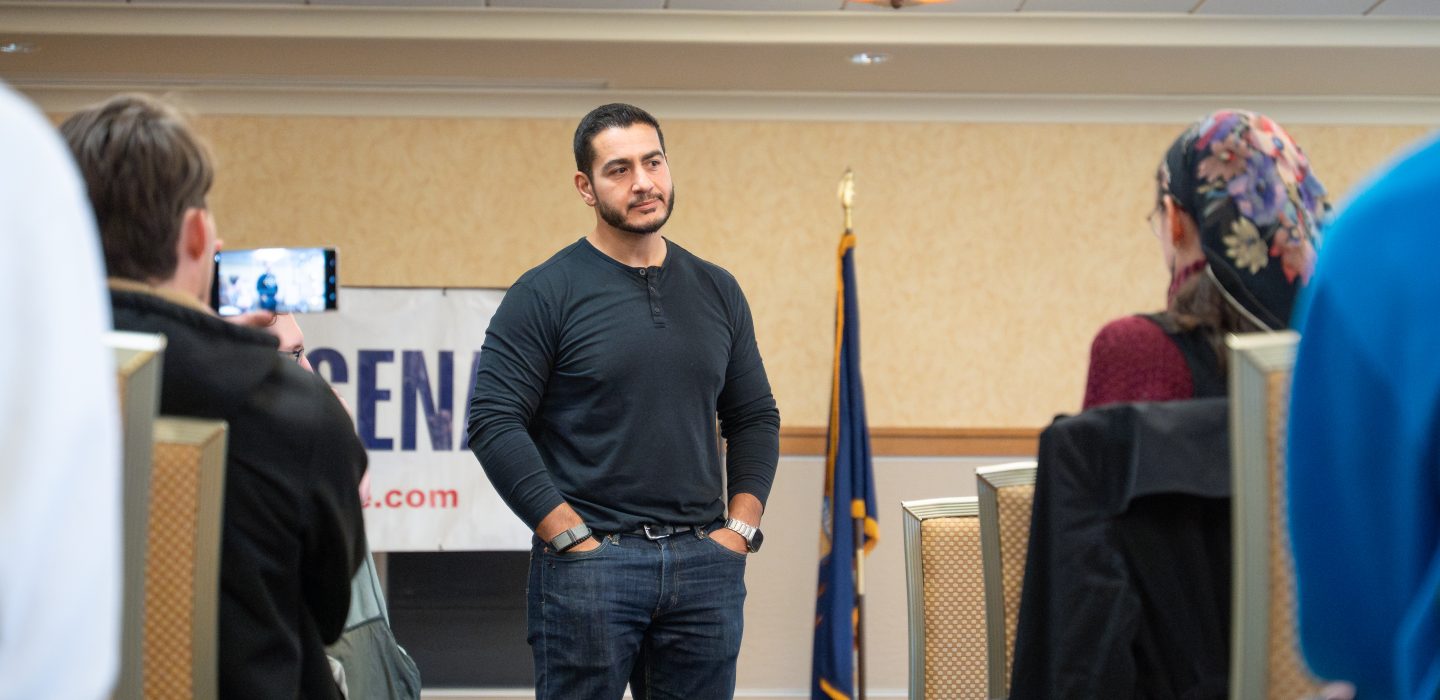
The controversy comes at a critical moment for Michigan voters. El-Sayed, who won the Democratic Senate primary, is preparing for a general election showdown with Republican Mike Rogers, a former congressman, in a race expected to attract national attention.
The debate is not only about campaign finance. It has also reopened broader arguments over political influence, advocacy organizations, foreign policy, and the role of community networks in American elections.
Campaign Donations Draw Immediate Attention Across Michigan
Campaign finance records reviewed by political opponents and media outlets show that El-Sayed’s campaign received more than $115,000 from individuals who have worked for CAIR, previously worked for the organization, or held leadership positions connected to its national and state chapters.
The group of donors reportedly includes at least 41 people with ties to CAIR. Their contributions came from individuals across several states, including Michigan, California, Texas, Illinois, Ohio, Minnesota, Arizona, Washington, and Georgia.
For critics of the campaign, the size of the fundraising network raises questions about the influence of organized advocacy groups in Michigan politics.
They argue voters deserve to understand who is helping finance political campaigns, especially when donors have connections to organizations that have faced public controversy.
Supporters of El-Sayed say the criticism unfairly targets members of a specific community who are exercising their right to participate in elections. They argue that donations from activists, community organizers, and advocacy leaders are common across American politics.
CAIR Responds to Longstanding Allegations
The controversy surrounding the donations is closely connected to past disputes involving CAIR.
Federal prosecutors named CAIR as an unindicted co-conspirator during the 2007 Holy Land Foundation terrorism financing trial. The case involved allegations that funds were illegally provided to Hamas through a charitable organization.
CAIR was never charged with a crime and has repeatedly denied allegations that it supports terrorism or maintains improper relationships with extremist organizations.
The organization says it has spent decades advocating for civil rights, fighting discrimination, and representing Muslim Americans across the country.
CAIR officials have also pointed to public statements condemning terrorism, antisemitism, and violence against civilians as evidence of the group’s current positions.
The organization has argued that accusations against it rely on outdated claims and political attacks rather than its present-day work.
Donors Include CAIR Leaders and Michigan Political Figures
Several individuals identified as donors reportedly hold or previously held leadership roles within CAIR.
The list includes national and state-level figures, including members of CAIR boards and officials connected to different chapters.
One donor who attracted attention was Muzammil Ahmed, a CAIR-Michigan board member who reportedly contributed thousands of dollars to El-Sayed’s campaign.
Another figure highlighted in the discussion was Jukaku Tayeb, El-Sayed’s father-in-law, who has been involved in Muslim community organizations and has supported political efforts connected to the campaign.
Critics have pointed to these relationships as evidence of a well-organized support network behind El-Sayed.
Supporters say community connections are a normal part of politics and that candidates from all backgrounds often receive financial backing from people who share personal, professional, or cultural ties.
El-Sayed’s Previous Connections Add Fuel to Debate
The fundraising controversy has also brought renewed attention to El-Sayed’s previous interactions with CAIR and other activist groups.
In 2022,El-Sayed appeared at a CAIR event where he participated in a speaking engagement. His appearance later became a point of criticism among opponents who questioned his relationship with the organization.
Republicans and some pro-Israel activists have also criticized El-Sayed’s comments on Middle East issues, including his responses to questions involving Israel, Iran, and attacks targeting Jewish communities.
Those critics argue that his political associations reveal positions that could create concerns among some voters.
El-Sayed and his supporters have rejected those arguments, saying his views reflect a broader progressive movement focused on human rights, diplomacy, and domestic policy issues such as healthcare and economic inequality.
They argue that attacks against him are attempts to shift attention away from issues directly affecting Michigan families.
Race Highlights Growing Political Divide in Michigan
The controversy arrives as Michigan continues to play a major role in national politics.
The state has become one of the country’s most closely watched battlegrounds, with competing coalitions fighting over suburban voters, working-class communities, younger voters, and minority populations.
El-Sayed’s campaign has built support around progressive policies and grassroots organizing. His supporters point to strong enthusiasm among voters who want changes in healthcare access, economic opportunity, and government accountability.
Republicans see the fundraising controversy as an opportunity to challenge his credibility and raise questions about the groups influencing his campaign.
The general election is expected to focus heavily on issues beyond campaign donations, including inflation, jobs, national security, healthcare costs, and America’s role in global conflicts.
Republicans Prepare to Make Fundraising a Campaign Issue
Republican candidate Mike Rogers and his allies are expected to continue highlighting El-Sayed’s donor relationships as the election approaches.
They argue that voters should examine not only a candidate’s policies but also the networks supporting their campaigns.
National security issues are likely to remain a major part of Republican messaging, especially as political debates continue over foreign policy and organizations involved in international issues.
The El-Sayed campaign, meanwhile, is expected to emphasize voter turnout, grassroots support, and issues affecting Michigan residents.
Democrats supporting El-Sayed say his coalition reflects the state’s changing political landscape, where younger voters and diverse communities are playing a larger role.
Michigan Voters Face Questions About Political Influence
For many Michigan voters, the controversy raises broader questions about how much influence donors and advocacy groups should have in elections.
Campaign finance has long been one of the most debated issues in American politics. Candidates from both parties regularly receive donations from organizations, business leaders, unions, activists, and interest groups.
Supporters argue that political participation allows Americans to organize around issues they care about.
Critics argue that voters should have clear information about the networks behind candidates and the interests those networks represent.
The El-Sayed controversy has placed that debate directly in the spotlight.
A Senate Race That Could Shape National Politics
Michigan’s Senate election is becoming one of the most closely watched contests in the country.
The outcome could influence the balance of power in Washington and provide a measure of where Michigan voters stand on issues dividing the nation.
For El-Sayed, the challenge will be defending his coalition while convincing voters that his campaign represents Michigan’s future.
For Republicans, the goal will be turning questions about his supporters and political relationships into a larger argument about leadership and trust.
As Election Day approaches, the debate over campaign donations, CAIR connections, and political influence is likely to remain a defining issue in the race.
For Michigan voters, the question now extends beyond one candidate or one organization. It is about what kind of political alliances they believe should shape the future of their state.
If you like what you just read, then subscribe to our newsletter and follow us on social media.
If you like what you just read, then subscribe to our newsletter and follow us on social media.


