

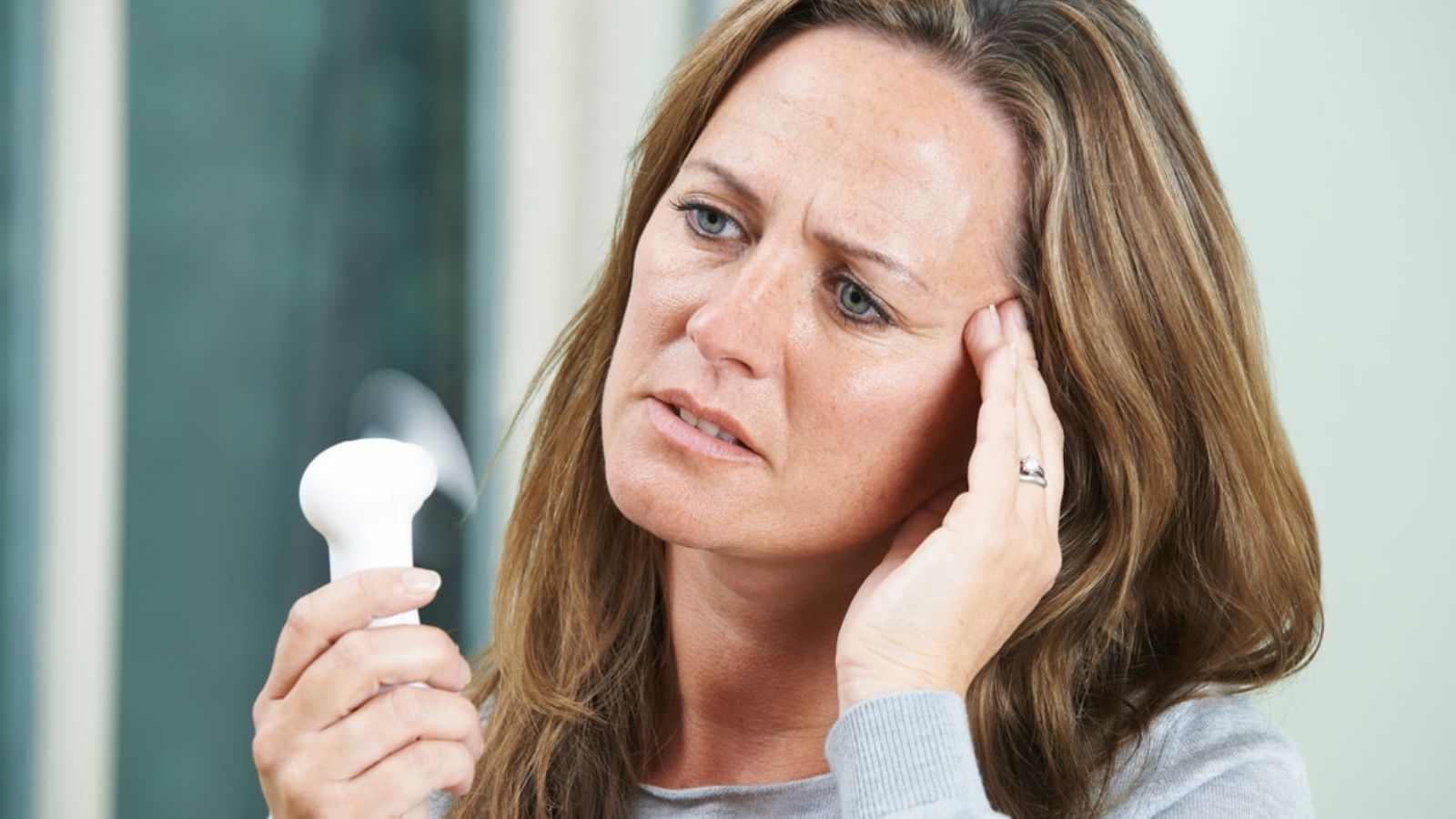
Menopause can feel like the body suddenly changed the locks and forgot to hand over the new keys. One week, sleep feels normal, moods feel predictable, and a warm room is just a warm room. Then the next week, the heart races at midnight, sweat soaks through pajamas, anxiety arrives for no clear reason, and a familiar body starts acting like a stranger with poor timing.
I’ve seen many women describe this stage as frightening less because the symptoms are always dangerous, and more because nobody warned them how dramatic normal hormonal shifts can feel. The main point is simple. Menopause symptoms can be intense, disruptive, and emotionally unsettling, but many of them are common during perimenopause and menopause.
Hot Flashes

Hot flashes are one of the most recognizable menopause symptoms. They feel like an intense wave of heat that sweeps across your face, neck, and chest. Your skin flushes, sweat breaks out, and you can feel a racing heartbeat. These sudden heat surges often happen in public, which can make them feel alarming and even embarrassing.
Hot flashes happen because fluctuating estrogen levels affect your body’s temperature control. While they can be intense, they are usually harmless. Simple strategies like layering clothes, keeping water nearby, and avoiding spicy foods or alcohol can help. For severe hot flashes, treatments like hormone therapy or new nonhormonal options can provide relief.
Night Sweats
Night sweats are essentially hot flashes during sleep. You might wake up drenched, unable to get comfortable, or shivering after the sweat passes. Over time, these disrupted nights can leave you exhausted, irritable, and frustrated with your own body.
Sleep loss from night sweats can worsen other menopause symptoms like mood swings, brain fog, and anxiety. Keeping your bedroom cool, wearing breathable pajamas, and using moisture-wicking sheets can reduce discomfort. If night sweats continue to disrupt your life, a doctor can suggest treatments that target these symptoms directly.
Mood Swings

Mood swings can make a calm morning feel like a stormy afternoon. One minute you’re cheerful and relaxed; the next, frustration, sadness, or irritability takes over. These shifts can feel frightening, especially if they seem extreme or unpredictable.
These changes are tied to hormonal shifts, sleep loss, and stress, which all affect your emotional balance. Maintaining routines, practicing stress management, and seeking counseling if needed can help stabilize moods. Recognizing that these mood swings are temporary can reduce fear and improve your overall response.
Brain Fog
Brain fog can feel like your memory and focus are slipping away. You might forget common words, lose your train of thought, or reread emails multiple times without comprehension. These moments are frightening because they make you question your abilities and confidence.
Hormonal changes, sleep disruption, and stress all contribute to brain fog. Using calendars, lists, and reminders can help manage daily tasks. Staying hydrated, exercising, and prioritizing sleep also improve mental clarity. If symptoms persist, consulting a doctor ensures nothing else is contributing to the problem.
Heart Palpitations

Heart palpitations can feel like your chest is racing, fluttering, or skipping beats. They are startling, especially when they arrive suddenly and without a clear cause. Many women report these alongside hot flashes or anxiety, which can intensify the fear.
While usually harmless, palpitations should be evaluated if accompanied by chest pain, fainting, or shortness of breath. Tracking when they happen and discussing them with a doctor can help determine if further tests or treatments are needed. Awareness and proper evaluation help distinguish menopause-related palpitations from other health concerns.
Sudden Hunger and Weight Changes
During menopause, changes in metabolism and hormones can increase appetite or shift cravings. You might feel hungry more often, gain weight in unexpected places, or struggle to maintain your usual exercise routine. These changes can feel like your body is working against you.
Understanding these changes as natural helps you respond with lifestyle adjustments rather than frustration. Balanced meals, protein-rich snacks, regular movement, and hydration can help manage appetite shifts and weight changes. Small, consistent actions often make a bigger difference than extreme dieting or restriction.
Vaginal Dryness and Libido Changes
Vaginal dryness, discomfort during sex, and decreased libido are common but rarely discussed menopause symptoms. These changes can make intimacy painful or less appealing, causing anxiety and frustration.
Low estrogen is the main culprit, and solutions range from moisturizers and lubricants to local estrogen treatments. Open communication with your partner and consulting a healthcare provider can restore comfort and sexual confidence. These issues are manageable with the right approach.
Anxiety and Low Mood

Anxiety and low mood often accompany menopause symptoms like sleep loss and hot flashes. You might feel on edge, restless, or unusually tearful, which can be scary when it seems to appear out of nowhere.
Regular exercise, mindfulness, therapy, and sleep improvement help reduce anxiety and elevate mood. In some cases, medication or hormone therapy may be appropriate. Addressing emotional health is just as important as treating physical symptoms during this stage.
Sleep Problems

Insomnia, frequent waking, and difficulty falling asleep are menopause symptoms that impact almost every aspect of life. Poor sleep intensifies other symptoms, reduces energy, and makes emotional regulation harder.
Improving sleep hygiene, maintaining a consistent schedule, limiting caffeine intake, and creating a cool, quiet environment can help. Professional support is also an option if sleep disturbances persist, ensuring the body and mind get the rest they need to cope with other symptoms.
Conclusion
Menopause is a natural life stage, but its symptoms can feel sudden, intense, and frightening. Hot flashes, night sweats, mood swings, brain fog, heart palpitations, appetite changes, sexual discomfort, anxiety, and sleep problems can disrupt daily life and leave you feeling out of control.
The key to handling menopause symptoms is awareness, preparation, and action. Tracking symptoms, adjusting lifestyle, seeking professional support, and considering treatment options all reduce fear and improve quality of life. Remember, these symptoms are part of a transition, not a personal failure, and managing them effectively allows women to continue thriving confidently through midlife and beyond.


