Medieval Demonology and Bad Behaviour: 10 Demons Historically Blamed for Human Vice

In medieval Europe, “bad behaviour” was often interpreted through the lens of demonology: a structured (and surprisingly bureaucratic) framework in which named spirits were assigned specific temptations, disruptions, and moral failures.
We find these names across early modern demonological catalogues and grimoires, lists that tried to map chaos into categories: ranks, legions, specialties, and recognisable human patterns.
Ardad — Demon of Misdirection, Confusion, and “Never Asking for Directions”
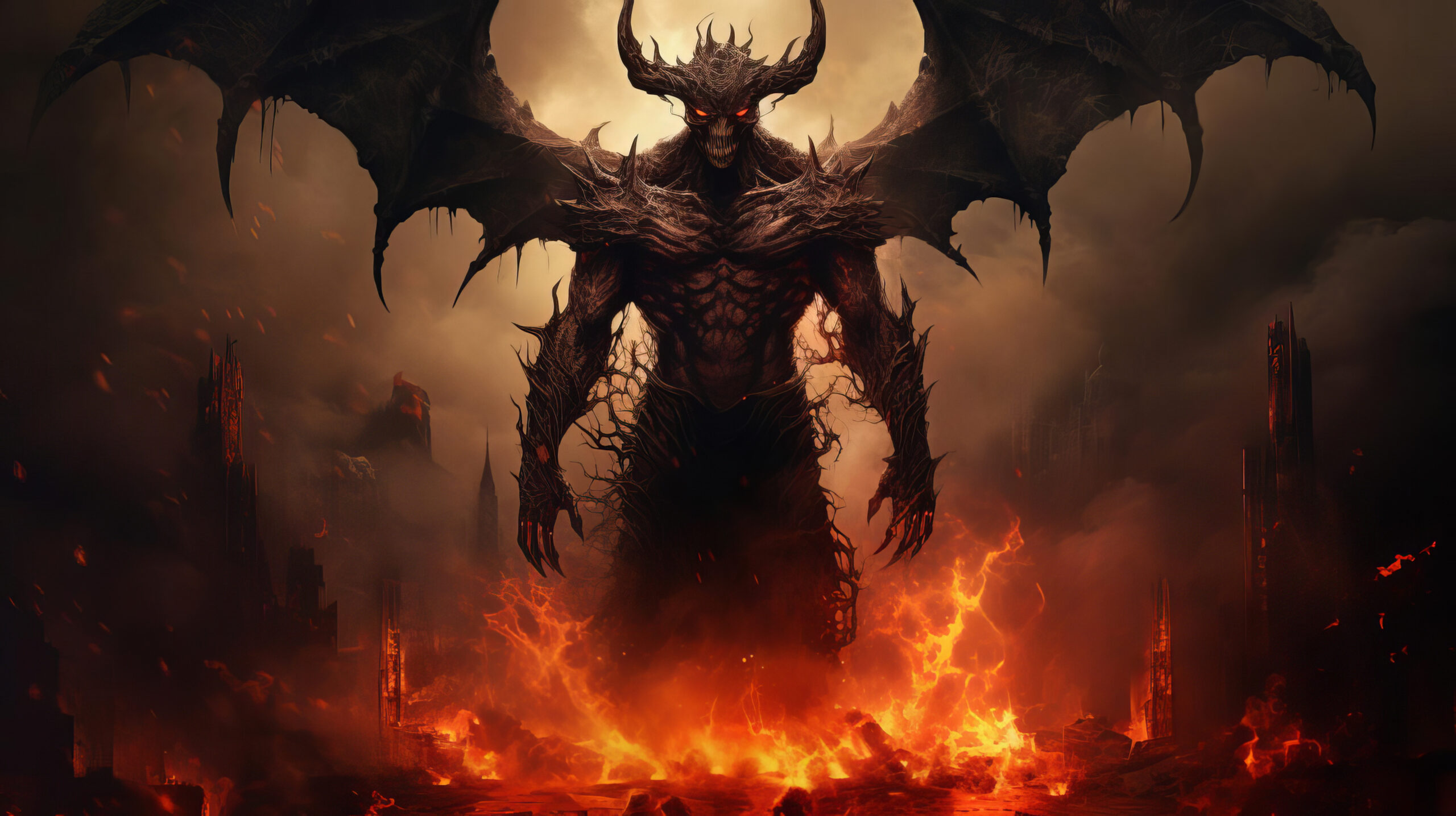
Traditional attribution: Ardad leads travellers astray, less through brute force than through small, compounding misjudgments. In folklore-style demonology, this spirit thrives on ordinary chaos: misplaced essentials, wrong turns, preventable misunderstandings, and stubborn pride disguised as independence.
- Repeatedly losing essentials at the worst moment (documents, keys, reservations)
- “Confidently wrong” navigation choices
- An irrational refusal to request help, even when clearly lost
- Sudden cascading delays: one small error multiplying into a day of failures
Agares — Demon of Foul Language, Public Humiliation, and Upheaval
Traditional attribution: Agares is commonly listed among high-ranking spirits (often styled a duke) associated with disruption: loss of composure, sudden profanity, and moments where dignity collapses under pressure.
- Saying the exact wrong thing at the exact wrong time
- Uncontrolled outbursts…especially in formal settings
- A humiliating “freeze” response: the body goes still while panic rises
- Disorder that feels disproportionate to the trigger
Astaroth — Demon of Vanity, Laziness, and the Art of Rationalisation
Traditional attribution: Astaroth is a classic figure in demon catalogues, frequently linked to self-absorption and moral inertia: not simply idleness, but the self-narration that makes idleness feel earned, noble, even inevitable.
- Endless postponement wrapped in convincing justification
- Self-image maintenance replaces actual work.
- Pleasure as routine rather than reward
- A persistent internal lawyer arguing that today’s excess is “balanced” by tomorrow’s intention
Ose — Demon of Delusion, False Identity, and Grandiose Self-Perception
Traditional attribution: Ose is often described in demonological systems as a high-ranking spirit (commonly styled a president) tied to deception of the mind: altering what a person believes about themselves, their role, their power, or even their form.
- Sudden certainty in an inflated identity: we are exceptional, chosen, untouchable
- An insistence on a reality no one else shares
- Shifting self-concepts that feel “revealed,” not invented
- Increasing isolation as social feedback is dismissed as ignorance.
Sitri — Demon of Public Exposure, Immodesty, and Humiliation Through Revelation

Traditional attribution: Sitri is frequently presented as a prince among infernal spirits, associated with disclosure and exposure: the collapse of privacy, the sudden revelation of secrets, and the social harm caused when the body or personal life becomes a public spectacle.
- Reckless oversharing followed by regret
- Humiliation linked to intoxication or social pressure
- Compulsive revelation: confessing too much, too fast
- Situations where mockery becomes the point, not a byproduct
Pruflas — Demon of Discord, Quarrels, and Falsehood
Traditional attribution: Pruflas appears in demonological catalogues as an instigator: a spirit credited with turning relationships into arenas, fueling petty arguments, souring intimacy, and encouraging lies that multiply.
- Constant fighting over trivial choices
- Escalation from minor irritation to existential conflict
- The sense that peace is impossible even when love remains
- Falsehood presented as “necessary” and then repeated as a habit.
Beelzebub — Demon of Gluttony, Excess, and the Hunger That Does Not End
Traditional attribution: Beelzebub is among the most prominent demon-names in Western tradition, commonly associated with appetite, consumption, and the corrosive cycle of more: more food, more indulgence, more acquisition.
- Eating past satisfaction into discomfort
- Treating fullness as a challenge rather than a signal
- Fixation on “what’s next” even while consuming what’s present
- Pleasure dulled by repetition, requiring escalation
Asmodeus — Demon of Lust, Obsession, and Destructive Desire
Traditional attribution: Asmodeus is frequently cast as the archetype of lust: not love, not intimacy, but compulsive desire that overrides promises, judgment, and self-respect. In some traditions, Asmodeus is described as holding royal authority within infernal hierarchies.
- Intrusive fantasies that crowd out ordinary life
- Risk-taking that feels “inevitable,” even when consequences are obvious
- A thrill that depends on secrecy, transgression, and escalation
- The flattening of others into instruments of appetite
Verrine — Demon of Impatience, Rage at Inconvenience, and Petty Cruelty
Traditional attribution: Verrine is cited in certain demonological narratives as a spirit of impatience: fury at delay, resentment of minor obstacles, and contempt for others’ human limits.
- Explosive anger over small errors and brief waits
- Cruelty justified as “standards” or “discipline.”
- The compulsion to punish service workers, strangers, or vulnerable targets
- A life rhythm ruled by irritation rather than intention
Lucifer — Demon of Pride, Dominion, and the Moral Collapse of Self-Exaltation

Traditional attribution: Lucifer is commonly framed as the archetype of pride: self-elevation that becomes rebellion, and rebellion that becomes rule.
In demonological storytelling, pride is not merely confidence; it is the belief that we are the standard by which all must bow.
- Contempt for correction and immunity to accountability
- Domination disguised as “leadership.”
- Charisma used as permission for harm
- Moral inversion: cruelty treated as strength, humility treated as weakness
Conclusion
We can treat this demon list as a historical “map of misconduct”: a way earlier cultures organised temptation into recognisable categories, travel chaos, public humiliation, rationalised laziness, identity delusion, exposure, quarrels, gluttony, lust, impatience, and pride.
Whether read as theology, folklore, or cultural psychology, the taxonomy remains strikingly consistent with the behaviours that still fracture lives and communities today.