

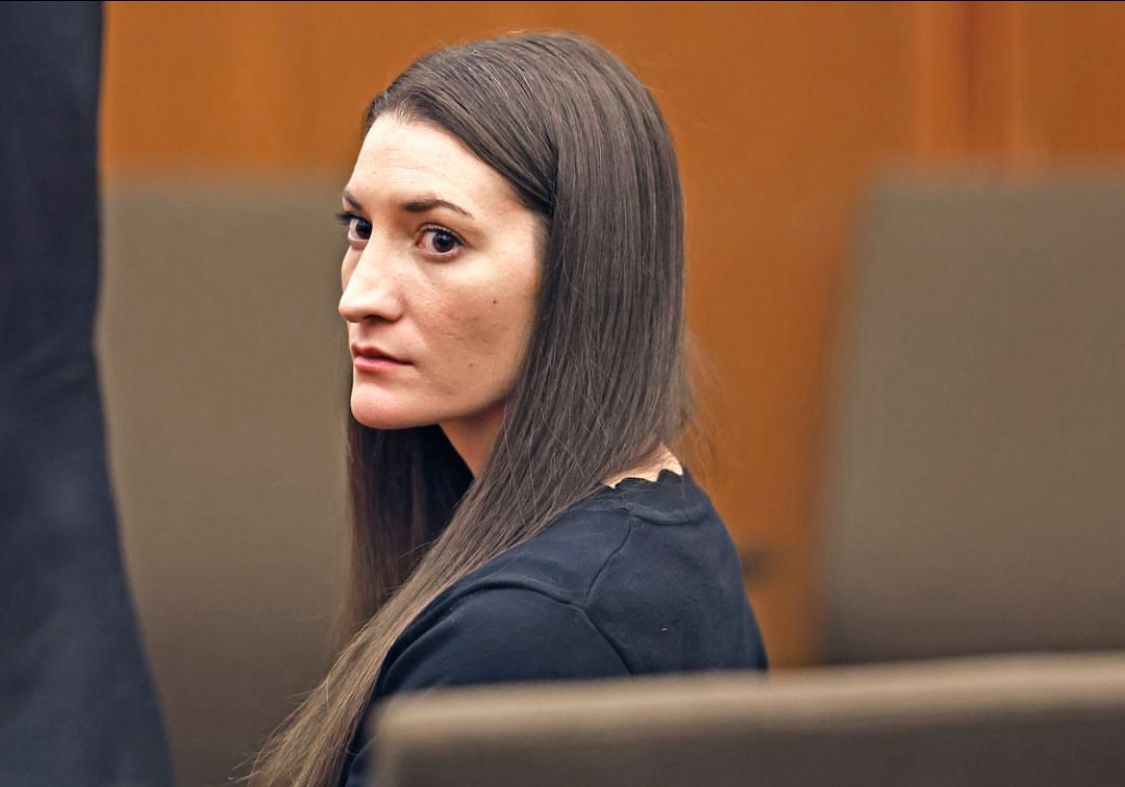
A phone call. That’s what prosecutors believe could unravel the entire defense of a Massachusetts mom accused of strangling her three babies with exercise bands. And with Lindsay Clancy’s trial now locked in for July 20, the legal chess match ahead of that date just got a whole lot more intense.
According to reports from CBS News , on January 24, 2023, in Duxbury, Massachusetts, Cora, 5, Dawson, 3, and eight-month-old Callan were allegedly strangled at their home. Their mother, Lindsay Clancy, a labor and delivery nurse, then jumped from a second-floor window, leaving her paralyzed from the waist down. The images from that night have haunted the public for over three years. Now, prosecutors want a jury to hear them, too.
The 911 Call That Could Change Everything
In a recent motion reported by Court TV, prosecutors asked to be allowed to introduce Patrick Clancy’s 911 call as part of their case. Patrick, who had left the house briefly to run errands, came home to find Lindsay had jumped. While still on the phone with the operator, he went to the basement and allegedly discovered each of his children with an exercise band around their neck.
Prosecutors said Patrick can be heard yelling on the call, “She killed the kids!” That raw, unscripted moment of a father discovering his children is exactly the kind of evidence that sticks. And according to prosecutors, it’s not just emotionally significant; it’s legally critical.
Here is where it gets particularly important. Prosecutors argued that how the bands were positioned matters greatly, specifically whether they were tied, knotted, or simply looped, because it speaks to whether Clancy tied the bands and walked away or whether she manually pulled each band around a child’s neck until the child died.
That distinction, they say, is what separates a moment of deranged impulsivity from what they’re calling “extreme atrocity and cruelty.”
The Defense, She Was Not Herself
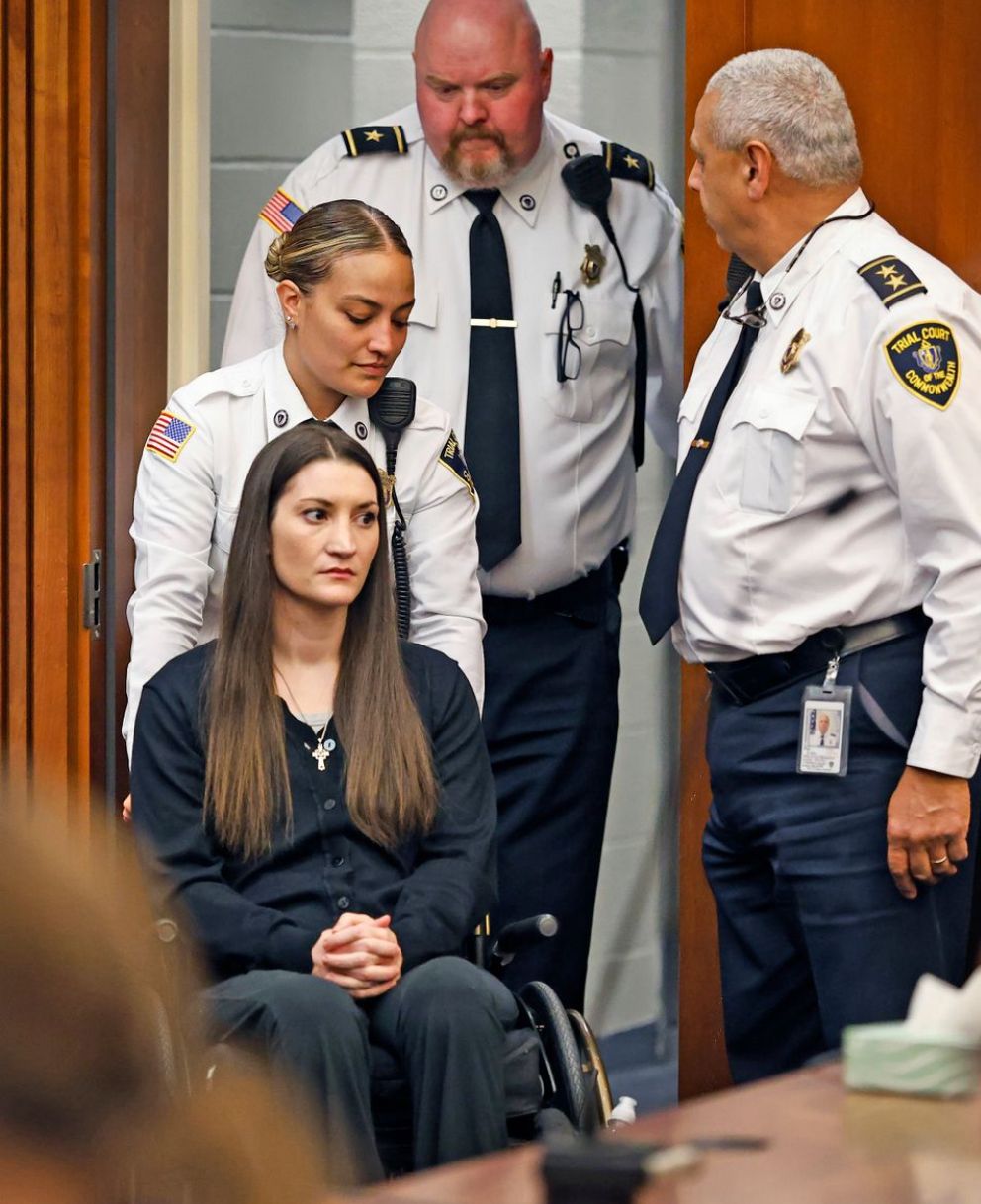
Lindsay Clancy does not deny killing her three children, but has argued in pretrial motions that she was suffering from postpartum psychosis when she strangled the kids. Her attorney, Kevin Reddington, has been consistent about this from day one.
Reddington has asserted in an interview with the Boston Globe that Clancy was suffering from postpartum depression at the time of the killings and had been prescribed 13 different medications used to treat mood disorders, psychosis, and anxiety. Thirteen. That is not a minor detail; that is a staggering number of prescriptions for one person, and the defense is betting everything on it.
In a call from the hospital in February 2023, Clancy allegedly told her husband she had heard a man’s voice telling her to kill the children and herself. Her team plans to argue that she lacked criminal responsibility entirely, which, under Massachusetts law, is the equivalent of an insanity defense.
A Jury Visit, a Sold House, and a Very Complicated Trial
Beyond the 911 call, prosecutors are also pushing for something unusual: they want the jury physically taken to the Duxbury home where it all happened. There is one big problem: the property was sold to new owners in January 2024, and the current homeowner objects to a jury walking through the space.
Prosecutors argue that crime scene photos alone cannot capture the full layout of the home, and that seeing the basement, the staircase, and the second-floor window in person would help jurors understand the evidence.
The proposed order would restrict access to attorneys, the jury, the judge, and necessary court staff, with strict rules prohibiting anyone from touching items or opening closet doors inside the property. Whether the judge agrees to that will be one of the key decisions coming out of the final pretrial conference scheduled for next week.
What Happens If She’s Found Not Guilty?

Here is the part of this story people tend to overlook. An insanity acquittal is not a get-out-of-jail-free card. Should she be acquitted, Clancy would not go free but would be sent to a state psychiatric hospital, where she would face periodic reviews to determine whether she can safely live in the community. She would remain at Tewksbury State Hospital, where she has been held since her arrest.
And Patrick? He told The New Yorker that he hoped to root out “lies and misinformation” surrounding her case, and said, “I wasn’t married to a monster. I was married to someone who got sick.” Both Lindsay and Patrick have filed separate lawsuits against the doctors who were treating her at the time.
The trial of Lindsay Clancy is not a simple story of good versus evil, and it never was. It is a collision of grief, medicine, mental illness, and the question of where responsibility ends and illness begins.
What a jury in Plymouth County decides this July could reshape how the country talks about postpartum psychosis in courtrooms for years to come. Three children are gone. And the woman, their father says, was once “generously loving and caring,” is about to face the most consequential weeks of what remains of her life.


