

The Knicks had finally done it. The final buzzer sounded. The drought was dead. A city that had carried generations of basketball heartbreak suddenly had a championship again, and for a few shining moments, it felt like every streetlight in Manhattan belonged to the color orange and blue.
Then the celebration cracked open.
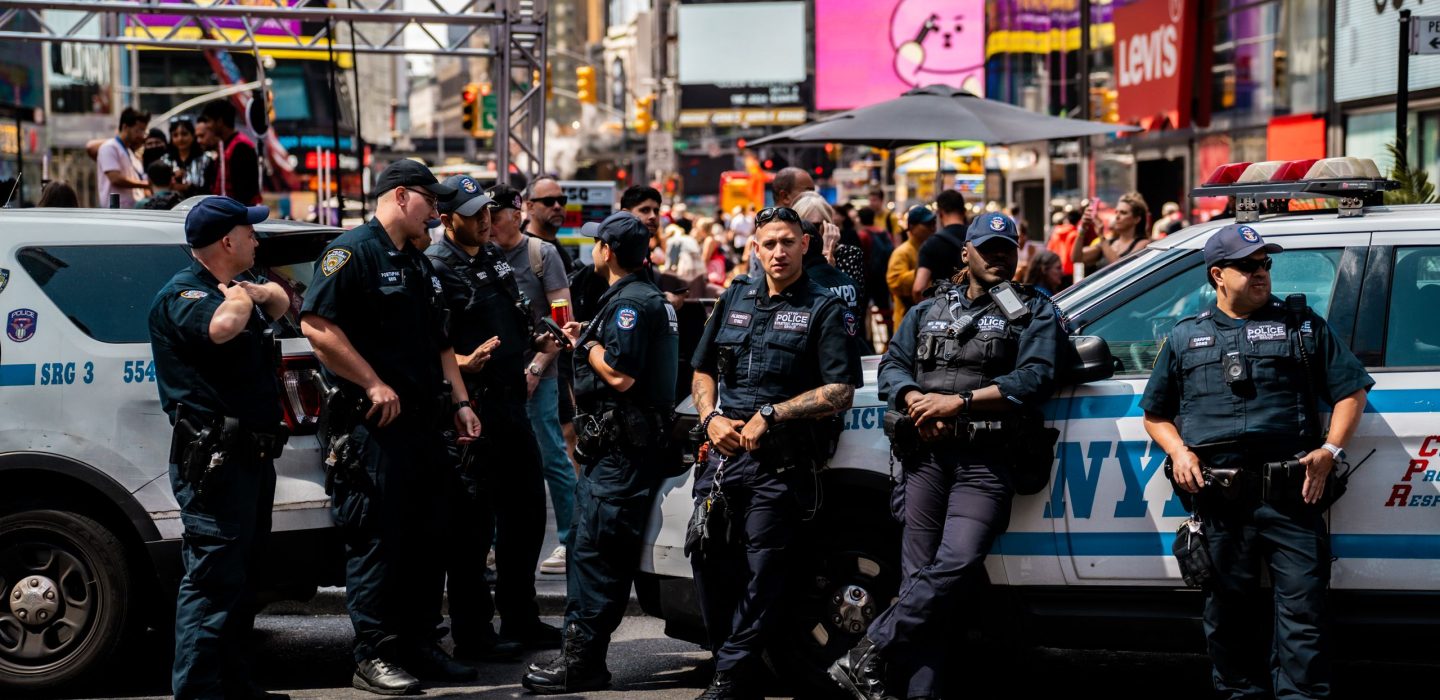
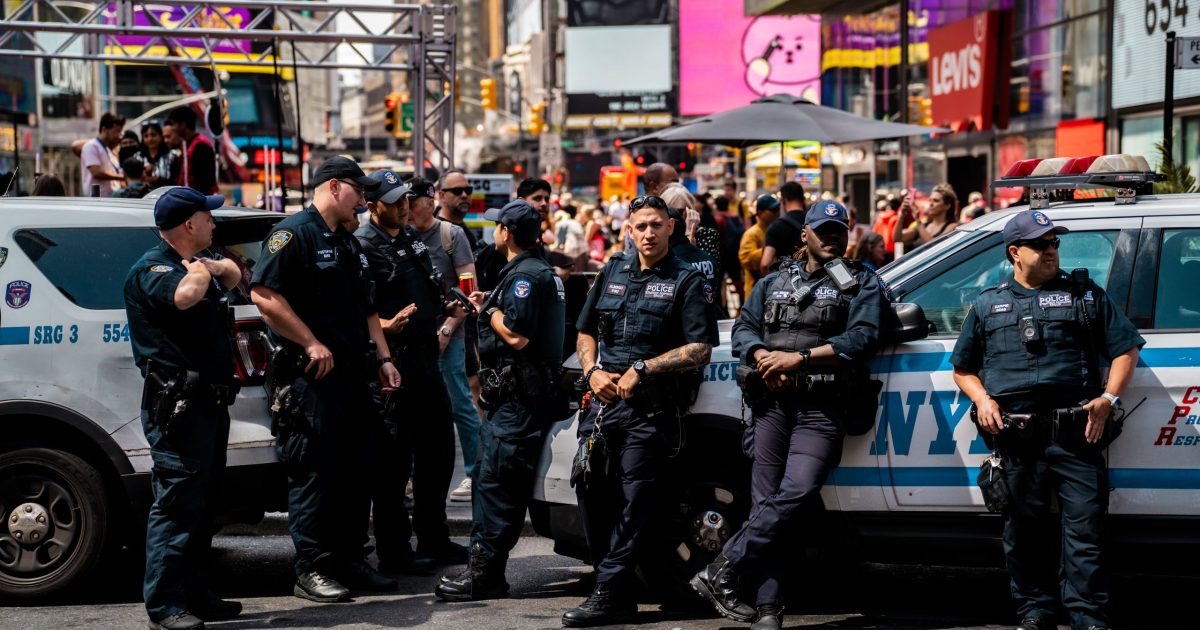
By the time the night of June 13 spilled into the early hours of June 14, what began as a citywide release of joy had turned into a public-safety crisis in Midtown Manhattan. A 17-year-old was shot. Four people were stabbed or slashed. Five school buses used for World Cup transportation were set on fire or destroyed. Police vehicles were damaged. Ten NYPD members were injured. Authorities said 63 people were arrested in incidents connected to the postgame celebrations.
The Knicks’ first NBA championship since 1973 will be remembered as a sports miracle in New York. But the violence that followed raised a harder question for the city: when does celebration stop being celebration and become a threat to everyone trapped inside it?
A Historic Win, Then a Dangerous Night
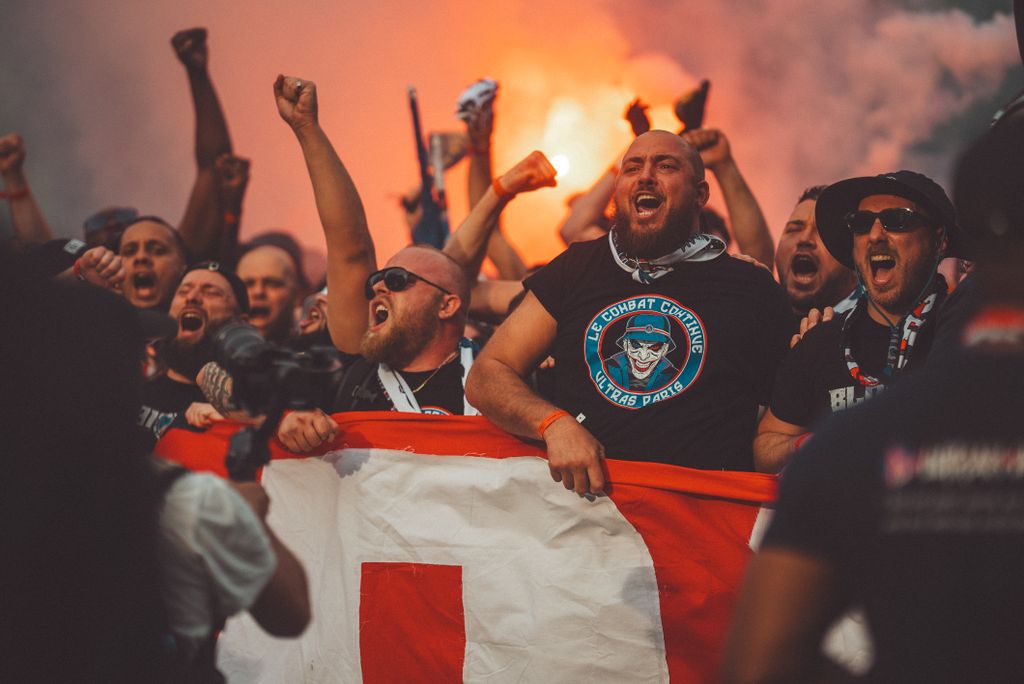
The Knicks defeated the San Antonio Spurs 94-90 in Game 5 of the NBA Finals, ending one of the longest waits in New York sports. For longtime fans, this was not just another trophy. It was the closing of an emotional wound.
Fathers who watched the old Knicks with their own fathers finally saw a new banner. Young fans who had only heard stories about 1973 finally had their own night. Bars erupted. Streets filled. Chants rose from packed crowds around Madison Square Garden, Times Square, and nearby blocks.
But New York’s joy moved fast, and so did the danger.
Police said crowds numbering in the tens of thousands became increasingly destructive. Fireworks were lit in crowded streets. People climbed traffic lights and other structures. Vehicles were hit, jumped on, and smashed. Large fights broke out. What should have been a night of public celebration turned into a long test of crowd control, emergency access, and basic civic restraint.
The most frightening incident involved a 17-year-old who was shot near Broadway and 43rd Street. Police said the crowd was so packed that an ambulance could not reach the teen, forcing officers to transport the victim to a hospital. Authorities said three people of interest were taken into custody, and a firearm was recovered.
That detail alone should stop the city cold.
In a crowd built for cheering, emergency workers could not easily reach a wounded teenager.
The Buses Became a Symbol
The most visible damage came near the Port Authority Bus Terminal, where school buses being used to move World Cup spectators were swarmed, battered, and set on fire.
Those buses were not symbols of police authority. They were not luxury cars. They were not team property. They were basic transportation vehicles, pressed into service for another major event happening in the same region. Their destruction turned the night into something larger than a sports crowd losing control.
It became a picture of how quickly public infrastructure can become a target when mob energy replaces individual responsibility.
According to reports, some people climbed onto buses, damaged them with bats, jumped on them and set them ablaze. The images were stunning: yellow buses glowing under smoke and flame while New York celebrated a championship it had waited more than half a century to see.
That is what made the night so jarring. The same victory that united millions of fans also exposed how vulnerable a city becomes when even a small portion of a crowd decides that rules no longer apply.
Public Joy Should Not Come With Public Fear
No serious person expects a championship celebration in New York to be quiet.
This is a city that knows noise. It knows parades, horns, chants, crowded sidewalks, and the beautiful disorder of public happiness. A Knicks championship was always going to bring people outside. It was always going to shake Midtown. It was always going to feel bigger than basketball.
But there is a hard line between loud joy and public danger.
A teenager being shot is not a celebration. People being stabbed or slashed is not passion. Burning buses is not fandom. Attacking vehicles with bats is not the love fo