

This article was originally published on Crafting Your Home. A human contributor also wrote and edited the post.
The post King Charles Breaks With Royal Protocol, Issues Rare Personal Statement After Earl Spencer’s Explosive Diana Claim first appeared on Crafting Your Home
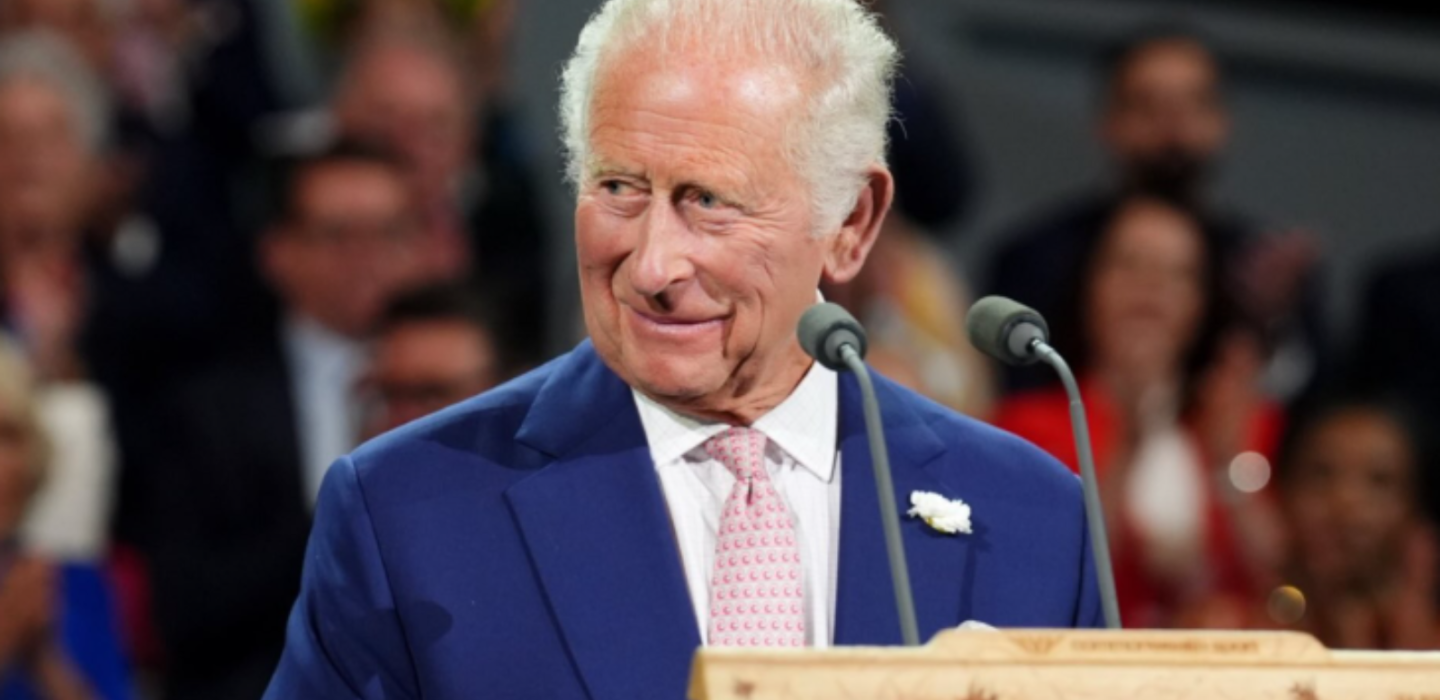
King Charles has taken the unusual step of personally addressing an allegation made against him in a forthcoming memoir, a decision royal watchers say speaks volumes given how rarely Buckingham Palace comments on claims made in books about the royal family.
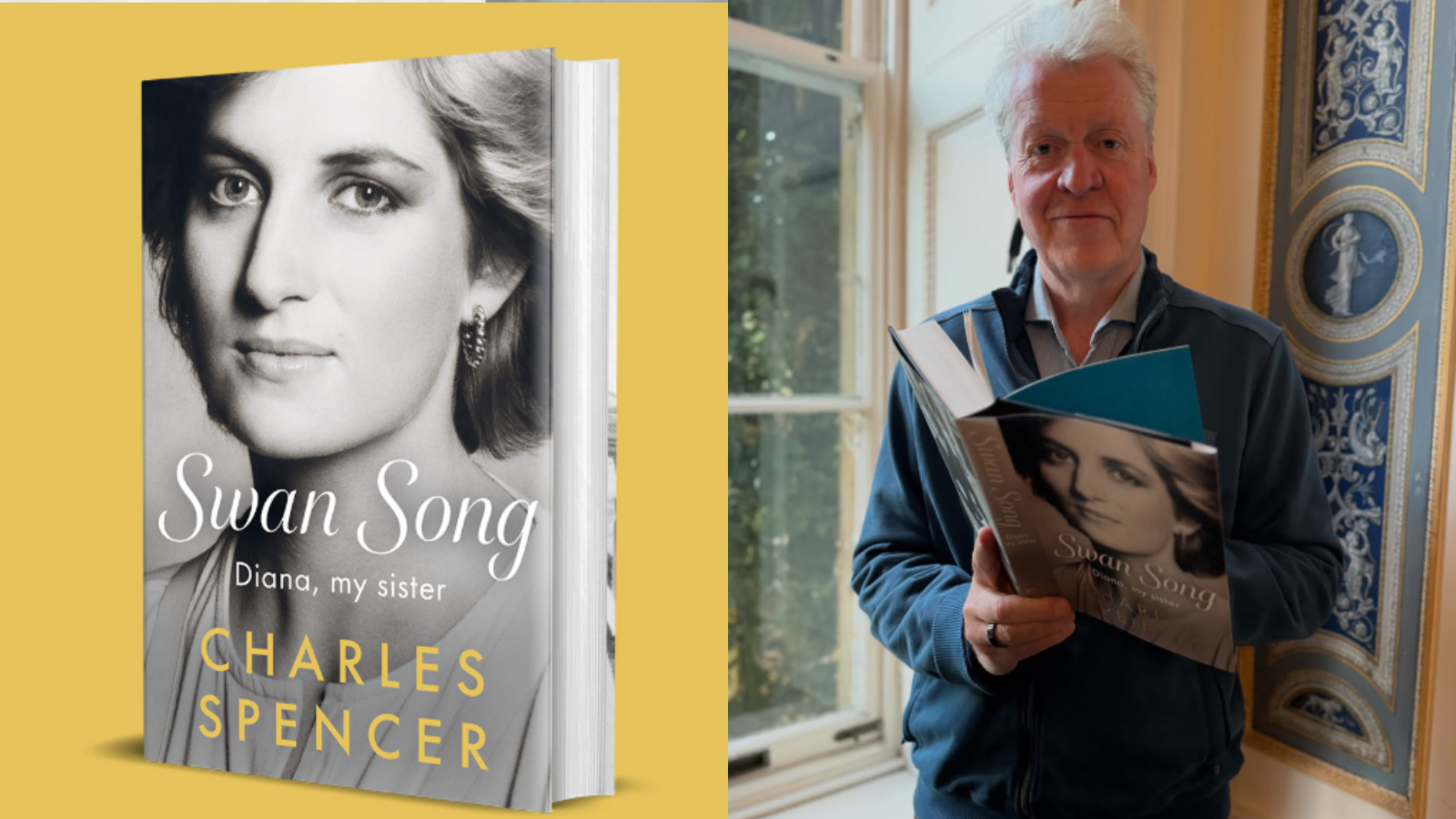
The response comes after excerpts from Charles Spencer’s upcoming memoir, “Swan Song: Diana, My Sister,” revealed Spencer’s account of a heated phone call with the then-Prince Charles in the days following Princess Diana’s death in 1997, a call Spencer says ended with Charles making a chilling remark about how quickly the world would forget his late sister.
The book, written by Diana’s younger brother, is scheduled for release on September 22, though details have already begun circulating after the Daily Mail published an excerpt this week.
According to Spencer’s account, the call took place amid a tense disagreement over whether Princes William and Harry, then 15 and 12, should walk behind their mother’s coffin during her funeral procession.
What began as a dispute over funeral logistics, Spencer writes, escalated into a far more personal and painful exchange between the two men.
Why the Palace’s Response Is Being Called ‘Unprecedented’
Buckingham Palace’s decision to weigh in on the claims at all stands out sharply against its usual approach to royal memoirs and tell-all books, which the institution has traditionally ignored entirely.
Reuters described Charles’s decision to respond through a spokesperson as unusual, a characterization echoed widely across royal reporting in the days since the excerpt surfaced.
According to Page Six, a Buckingham Palace representative initially offered a brief, standard deflection when first approached for comment, saying simply, “We don’t comment on books.”
That brief response, however, was quickly followed by a far more substantive statement from a palace spokesperson, one that directly addressed the substance of Spencer’s claim without confirming or denying that the alleged conversation took place.
The fuller statement read, “While we do not comment on books as a matter of principle, His Majesty is mindful that the pain of fraternal grief can cloud reason, affect judgment.”
The carefully worded response notably avoided directly disputing Spencer’s account, instead framing his recollection as potentially shaped by decades of unresolved grief over losing his sister, a framing several royal commentators have noted stops short of an outright denial.
The timing of the palace’s statement has added another layer of intrigue. According to reporting from the Royal Observer, the Daily Mail’s excerpt was published just hours after four copies of the book were reportedly stolen from a delivery truck in the Netherlands, ahead of its official release date later this month.
That detail has only heightened public anticipation surrounding the book’s full contents, with royal insiders suggesting further revelations are likely to emerge in the days leading up to its publication.
Inside Earl Spencer’s Account of the Phone Call That Sparked It All
According to the excerpt published by the Daily Mail, Spencer describes the conversation as beginning calmly before rapidly deteriorating. He writes that Charles fell into a prolonged silence partway through the call, a pause Spencer initially interpreted as an attempt at composure.
Instead, Spencer recounts that Charles then unleashed what he describes as his pent-up contempt for Diana, and his horror at how the public had responded to her death.
The exchange culminated, according to Spencer, in Charles allegedly telling him, “Rest assured, we’ll forget her soon enough!”
Spencer writes that he was left momentarily speechless by the remark before responding, “I can’t believe you just said that,” and ending the call entirely.
He frames the exchange in his memoir as one of the clearest windows he has ever had into what he believes was Charles’s genuine feelings toward Diana in the immediate aftermath of her death, a moment he says has stayed with him for nearly three decades.
Spencer has previously said the book was written in part to correct what he views as long-standing untruths about his sister’s life and legacy, making this particular passage one of the memoir’s most consequential revelations.
The Funeral Walk That Has Haunted William and Harry for Decades
The dispute over whether William and Harry should join the funeral procession did not begin or end with the phone call Spencer describes.
Reporting on the broader history of the funeral’s planning has indicated that Prince William initially resisted joining the procession altogether, preferring to grieve privately rather than walk publicly behind his mother’s coffin.
According to accounts of the funeral’s planning process, Prince Philip personally intervened by phone from Balmoral to help persuade his grandsons, with the final choice ultimately described by William in a later BBC documentary as a “collective family decision” rather than one imposed on him.
Both princes have spoken candidly in the years since about how deeply that walk affected them. In a 2017 interview marking the 20th anniversary of Diana’s death, Harry said plainly that he did not think any child should be asked to do that, under any circumstances, reflecting on how overwhelming it felt to be watched by millions while grieving so publicly.
William, for his part, has described the walk in similarly stark terms, recalling it in a separate documentary as a very long, lonely walk that he endured partly by hiding behind his hair to shield himself from the crowds lining the procession route.
Those long-standing public reflections from William and Harry add important context to Spencer’s new account, underscoring just how consequential that single funeral decision has remained for the family more than twenty-eight years later.
While the princes have largely framed their participation as something they ultimately chose to see through together, Spencer’s memoir suggests the private negotiations behind that decision, and Charles’s reaction to Spencer’s objections at the time, were considerably more contentious than the public has previously understood.
As “Swan Song: Diana, My Sister” approaches its September 22 release, the palace’s unusual decision to respond has only intensified public interest in what else the book may reveal.
For an institution that has built its public relations strategy around silence in the face of controversy, the choice to speak now, even in carefully measured terms, signals just how seriously King Charles and his household are treating Spencer’s account of those difficult days in 1997, and how much is still at stake in how that chapter of royal history is ultimately remembered.
Other Stories You Might Like
- Earl Spencer’s Explosive New Book Claims King Charles Said He’d ‘Forget Diana Soon Enough’ Days After Her Death
- Scott Wolf and Kelley Wolf Confirm They’re Moving Forward With Divorce After Months of Family Healing
If you like what you just read, then subscribe to our newsletter and follow us on social media.


