
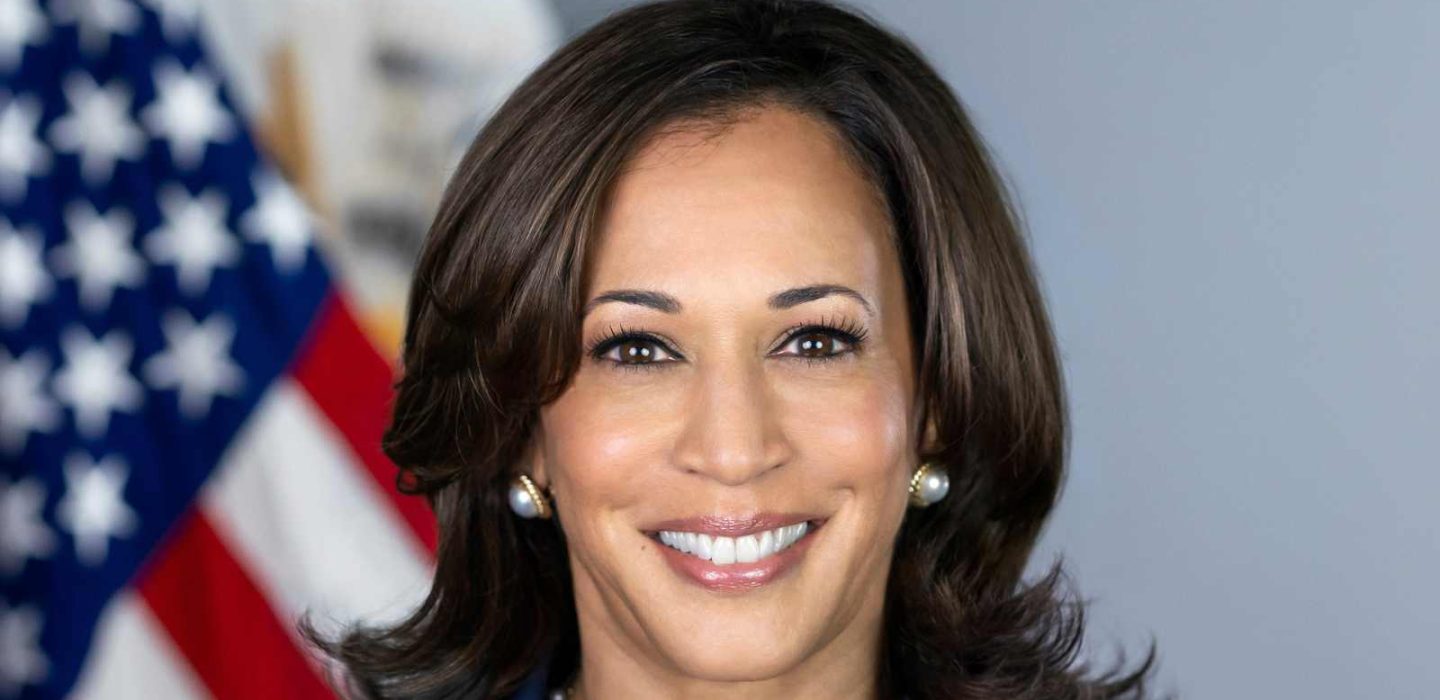

A renewed wave of political debate surrounding U.S.–Iran nuclear negotiations after former Vice President Kamala Harris sharply criticized President Donald Trump’s approach, suggesting that any emerging agreement with Tehran may ultimately resemble the Obama-era nuclear framework known as the JCPOA.
We observe that Harris delivered her remarks during a public discussion at the R20 Regions of Climate Action Summit in Vienna, Austria, an event primarily focused on climate policy but which shifted into geopolitical territory as the Iran negotiations became a focal point. Her comments quickly reignited tensions in Washington over the direction, credibility, and legacy of U.S. foreign policy toward Iran.
Harris’s Core Argument on the Iran Nuclear Negotiations
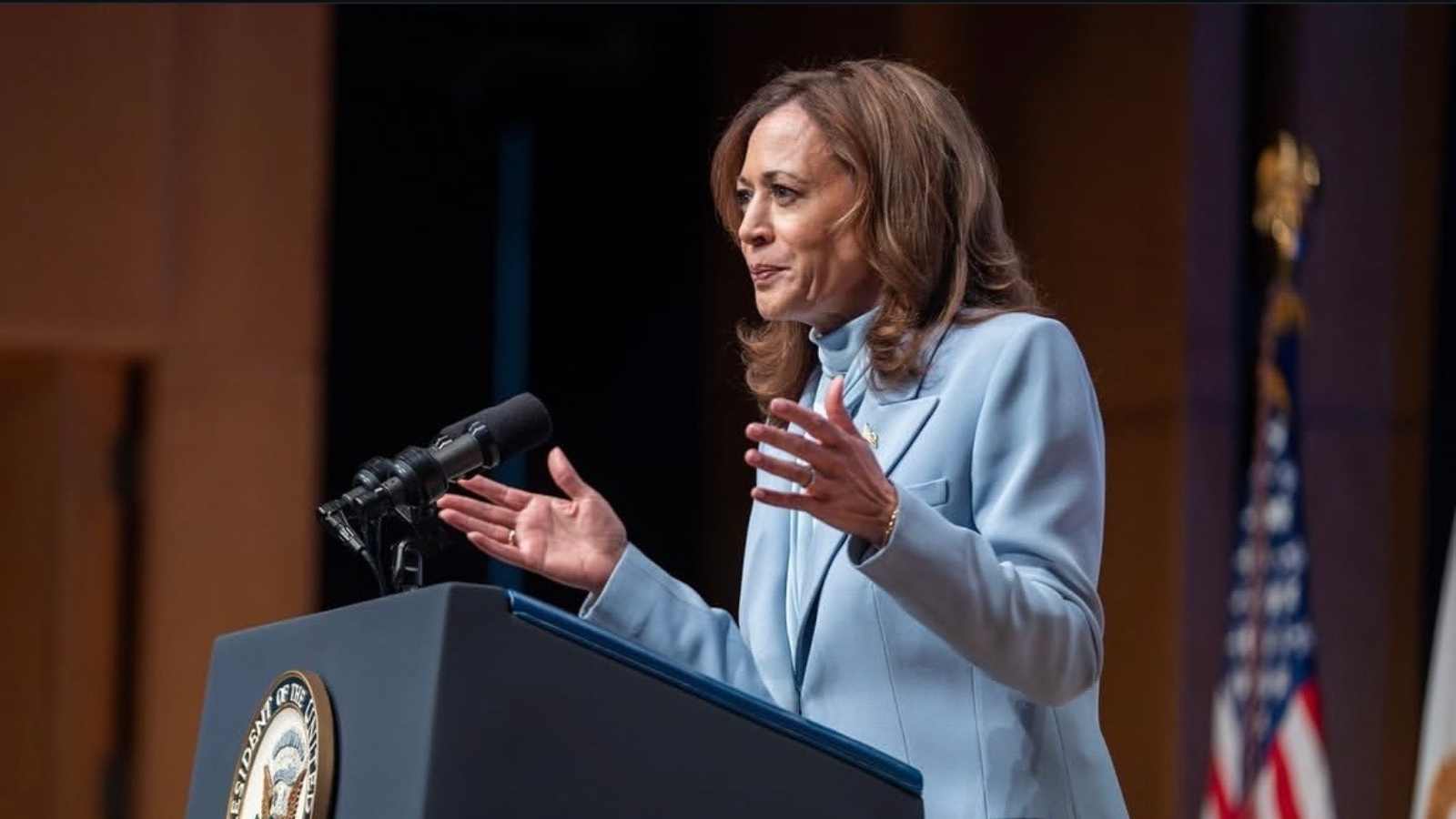
Kamala Harris’s central claim: that the Trump administration, despite previously abandoning the 2015 Iran nuclear deal, may end up negotiating terms that closely resemble it, while still framing the outcome as a political victory.
According to her remarks, any agreement emerging from current discussions would likely be presented as a breakthrough, even if structurally it aligns with the same limitations and verification mechanisms that defined the original Joint Comprehensive Plan of Action (JCPOA).
Harris emphasized the irony of this trajectory, arguing that dismantling the original agreement only to return to similar conditions represents policy circularity rather than progress.
Understanding the JCPOA Framework and Its Political Legacy
We examine the foundation of the debate by revisiting the JCPOA, signed in 2015 between Iran and the P5+1 nations, including the United States, United Kingdom, France, Russia, China, Germany, and the European Union.
The agreement was designed to restrict Iran’s nuclear program through:
- Reduction of installed centrifuges
- Continuous monitoring by the International Atomic Energy Agency (IAEA)
- Extended breakout time thresholds to prevent rapid weaponization
We recognize that Implementation Day in 2016 marked the formal verification of Iran’s compliance with initial requirements, making the deal one of the most closely monitored nuclear agreements in modern diplomacy.
However, in 2018, President Trump withdrew the United States from the agreement, arguing that it failed to ensure long-term security guarantees and enabled economic benefits for Iran without sufficient constraints on nuclear development.