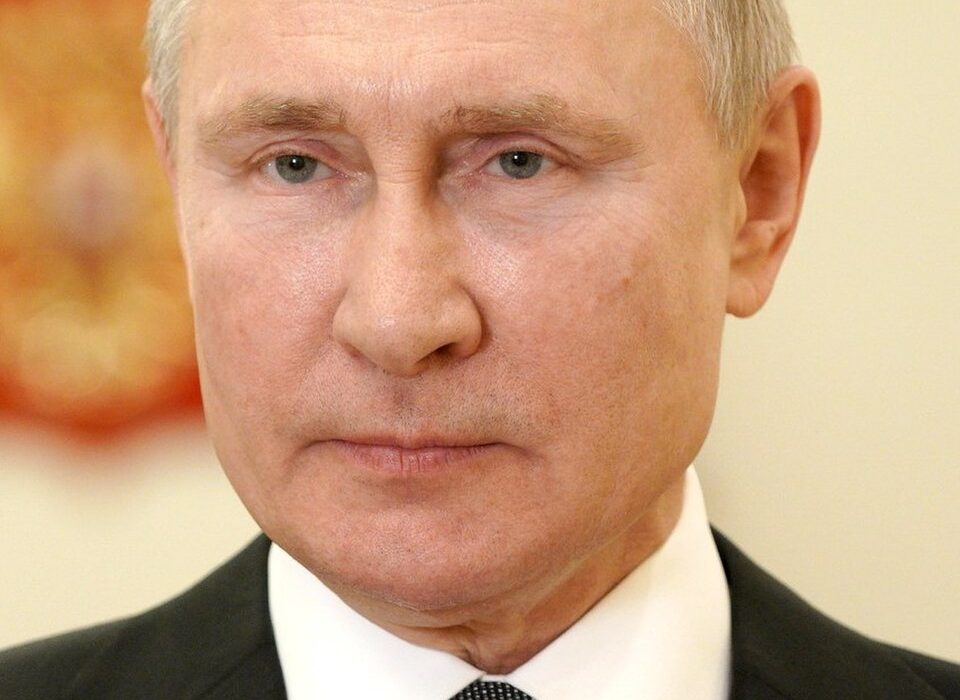


A Russian journalist known for reporting on President Vladimir Putin’s alleged private life has died in Latvia after reportedly eating poisonous mushrooms, according to multiple media reports.
The journalist, Grigory Nekhoroshev, 69, had been living in exile in Riga for over a decade after leaving Russia. His reporting years earlier included claims about Putin’s alleged relationship with Olympic gymnast Alina Kabaeva, a story that once triggered major political backlash in Moscow.
His death, described by local outlets as a suspected accidental mushroom poisoning, has now drawn international attention due to his past work, his political exile status, and the broader pattern of risk faced by Russian investigative journalists abroad.
What happened, according to reports

Local Latvian media reported that Nekhoroshev died on June 19 in Riga, where he had been living as a political refugee.
Authorities and media reports indicate that he may have consumed wild mushrooms he had collected himself, with early findings pointing to accidental poisoning rather than foul play.
Some reports suggest he had been familiar with mushroom foraging, a common hobby in parts of Eastern Europe, and may have unknowingly gathered toxic varieties.
At this stage, there is no confirmed evidence of criminal involvement, and official investigations, where mentioned, have not publicly concluded that his death was anything other than accidental.
Why this case is getting global attention
While the circumstances of his death appear accidental based on early reports, the story has gained wider attention because of who Nekhoroshev was and the type of journalism he was known for.
He previously worked as editor-in-chief of Moskovsky Korrespondent, a Russian publication that gained notoriety after reporting on Putin’s alleged private relationship with Alina Kabaeva. That report was widely circulated at the time and reportedly led to significant pressure on the publication, which later shut down.
After leaving Russia, Nekhoroshev lived in Latvia in political exile, joining a broader community of Russian journalists and dissidents who relocated abroad amid increasing pressure on independent media in Russia.
This broader context has made his death especially sensitive among press freedom advocates, even though current reporting points to accidental causes.
Background: the risks faced by Russian journalists in exile
Over the past two decades, numerous Russian journalists, dissidents, and political critics have faced intimidation, legal pressure, and in some cases violent deaths, both inside and outside Russia.
International watchdog groups have repeatedly warned about the dangers faced by investigative reporters who cover sensitive political topics, especially those involving the Kremlin or high-ranking officials.
In exile communities across Europe, many journalists continue their work under protection programs or political refugee status, but safety concerns remain a persistent issue.
Nekhoroshev’s case is now being viewed through that broader lens, even though there is currently no verified evidence linking his death to any external actor.
What happens next in the investigation
At this time, authorities in Latvia are expected to continue standard procedures following the reported death, including confirming the exact cause of poisoning and determining whether it was accidental ingestion.
Media reports indicate that early findings point to wild mushroom consumption as the likely source, but official confirmation is still required before any final conclusions are made public.
If further forensic analysis is conducted, it may clarify whether the poisoning was consistent with accidental foraging or if any other factors were involved.
For now, no public evidence has emerged suggesting criminal intent.
Why this story resonates beyond one individual
Even in the absence of confirmed foul play, the death of a journalist with a politically sensitive reporting history naturally draws attention, particularly in a global environment where concerns about press freedom, exile safety, and political tension remain high.
It also highlights a quieter reality of life in exile: many journalists who leave their home countries continue living under ordinary risks unrelated to politics, including accidents, illness, and environmental hazards.
In this case, the contrast between a politically charged professional history and a reportedly accidental cause of death is what has amplified global interest.
What this means going forward
As investigations conclude, the key facts will likely focus on medical and forensic findings rather than political implications.
However, the broader discussion around journalist safety, exile communities, and media freedom is unlikely to fade.
Even when deaths are accidental, cases involving well-known investigative reporters often reignite debate about the pressures faced by journalists who cover powerful political figures.
For now, authorities have not indicated any confirmed link between Nekhoroshev’s past reporting and his death.
The outcome of the ongoing review will determine whether this remains a tragic accident — or becomes part of a wider conversation about the risks faced by journalists who operate far from home but remain close to sensitive political narratives.