This article was originally published on Crafting Your Home. A human contributor also wrote and edited the post.
Donating to a children’s home often comes from a place of kindness. Many people want to help vulnerable children by clearing out closets, sharing unused belongings, or giving items their own families no longer need. The intention is usually beautiful: to provide comfort, support, and a little happiness to children who may have gone without.
However, not every donation is helpful. A children’s home is not a place where unwanted items should be dropped off simply because they are no longer useful to you. These organizations have limited resources, and staff members often spend valuable time sorting, repairing, storing, or disposing of items that cannot be safely used.
A thoughtful donation considers the needs, safety, dignity, and daily lives of the children receiving it. Before packing a box, ask a simple question: “Would I confidently give this item to a child I love?” If the answer is no, it probably does not belong in a donation bag.
Here are eight items you should never donate to a children’s home.
Broken Toys or Damaged Items

A broken toy may seem like a small thing, but for a child receiving it, it can send the wrong message. Many people donate toys with missing pieces, cracked parts, broken wheels, torn fabric, or damaged batteries because they feel guilty throwing them away. But children in care deserve the same quality and care as any other child. They should not receive objects that look abandoned or unusable.
A stuffed animal with a ripped seam, a puzzle missing half its pieces, or a toy car without wheels may create disappointment rather than joy. Staff members may also have to spend time sorting through damaged items and deciding whether they can be repaired or must be discarded.
If a toy is too damaged for your own child, it is probably too damaged to donate. Instead, consider donating gently used toys that are clean, complete, safe, and ready for another child to enjoy. A donation should feel like a gift, not a leftover.
Used Hygiene Products
Personal hygiene items can be incredibly useful donations when they are new. However, never donate opened or partially used hygiene products to a children’s home. Items such as half-used bottles of shampoo, old toothbrushes, opened lotions, used makeup, or expired skincare products can create health and safety concerns.
Children in care need clean, safe, age-appropriate products. Even if an item appears unused, once it has been opened and stored in a home environment, it may become contaminated. Organizations often have strict standards for personal care items because they must protect children’s health.
If you want to donate hygiene supplies, choose unopened products with clear expiration dates. New toothbrushes, toothpaste, soap, shampoo, and sanitary products can make meaningful contributions when properly packaged.
Dirty or Unwashed Clothing
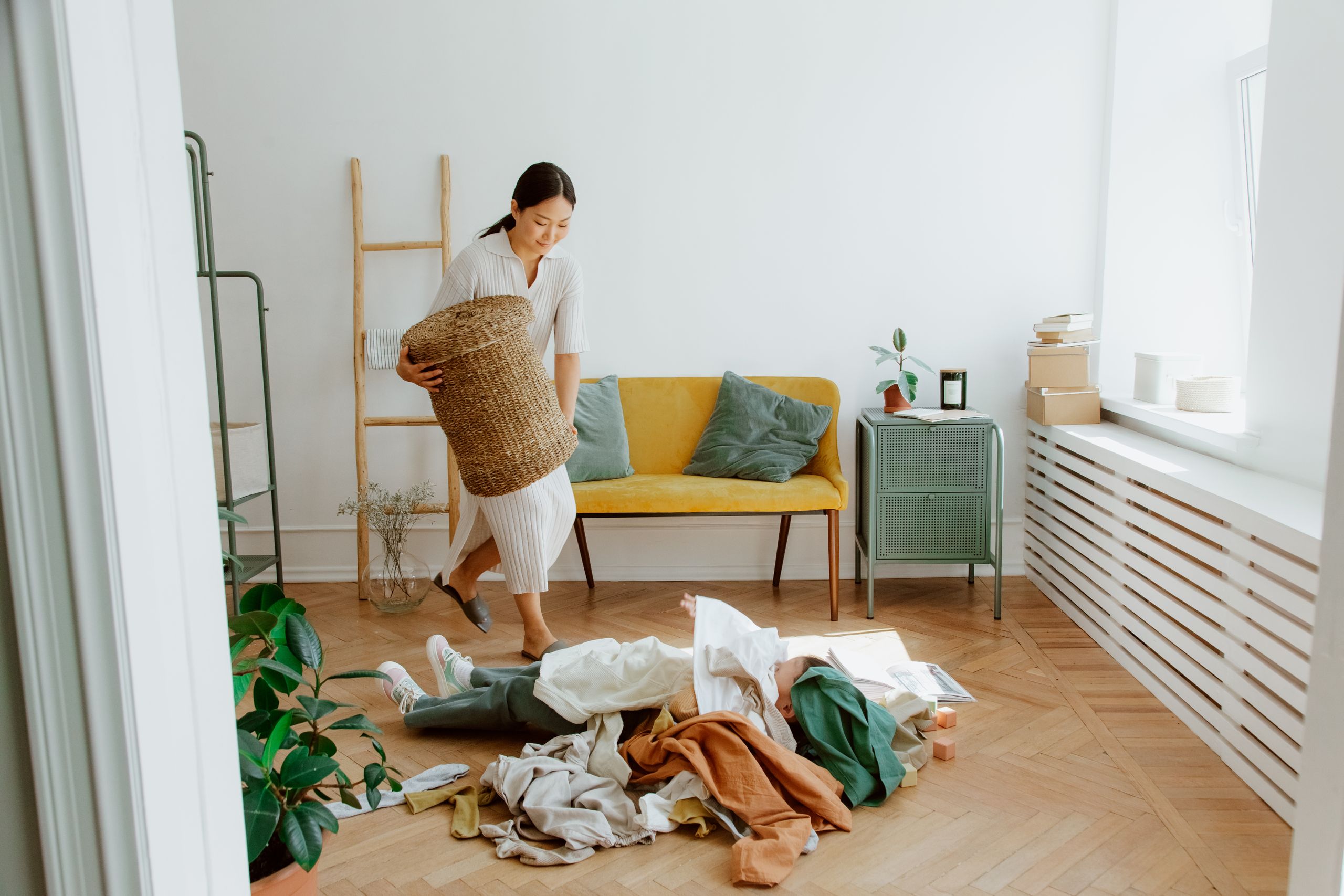
Clothing donations are often among the most needed items at children’s homes, but only when they are clean and in good condition. Sending bags of dirty clothes, stained shirts, torn pants, or strongly odorous items creates extra work for caregivers. They may have to wash, repair, or throw away clothing before it can ever reach a child.
Children deserve clothing that makes them feel valued and confident. Receiving clothes that are faded, damaged, or clearly unwanted can affect how they see themselves.
Before donating clothing, inspect each piece carefully. Remove anything with permanent stains, holes, missing buttons, broken zippers, or heavy wear. A good rule is simple: donate clothing you would still feel comfortable giving to a friend or family member.
Expired Food or Unsafe Snacks
Food donations can be generous and helpful, but never send expired or questionable food to a children’s home. Some people donate items that have sat in their pantry for years simply because they don’t want to waste them. However, children’s homes must prioritize safety, nutrition, and proper food handling.
Expired canned goods, opened packages, damaged containers, and foods without clear labels can create unnecessary risks. Caregivers cannot always know how these items were stored or whether they are still safe.
If donating food, choose sealed, unexpired products that children can easily use. Healthy snacks, cereals, canned foods, and cooking supplies are often more useful than random items cleared from kitchen cupboards. A donation should reduce challenges, not create new ones.
Dangerous or Age-Inappropriate Toys
Not every toy belongs in a children’s home. Items with small parts, sharp edges, unsafe materials, or complicated designs may not be appropriate for the children who receive them. A toy that seems harmless to an adult may create risks for younger children.
Examples include toys with broken batteries, realistic weapons, toys requiring expensive replacements, or items designed for older children when the home mainly supports younger ones.
Before donating toys, consider the age group and safety requirements. Children’s homes often care for children with different backgrounds and needs, so simple, durable, age-appropriate toys are usually the best choice. The goal is not just to give something entertaining. The goal is to give something safe.
Used Mattresses and Bedding

Although bedding may seem like a practical donation, used mattresses and heavily worn bedding are often not suitable for children’s homes. Mattresses can collect dust, allergens, stains, and bacteria over time. They can also have hidden damage that affects comfort and safety.
Many organizations have specific requirements for sleeping materials because children spend so much time using them. Old pillows, worn blankets, and damaged sheets may also not meet hygiene standards.
If you want to help provide sleeping essentials, consider donating new bedding sets, blankets, pillows, or approved sleeping materials. These items can provide comfort while also maintaining cleanliness and dignity. A child’s sleeping space should feel safe, fresh, and cared for.
Personal Items With Someone Else’s Name or Memories
Some items carry emotional value that does not transfer well. Old photo albums, personalized school supplies, clothing with another child’s name, or handmade items meant for a specific person may not be appropriate donations.
While the intention behind these gifts may be loving, they can sometimes remind children that they are receiving someone else’s leftovers. Children deserve items that feel like they belong to them. When donating, choose items that allow a child to create their own connection.
A new notebook, a plain backpack, or a fresh toy gives them the opportunity to make something their own. Thoughtful giving helps children feel included, not reminded of what they lack.
Items That Require Expensive Maintenance
Some donations look impressive but become burdens after they arrive. Large electronics, complicated toys, outdated devices, or equipment requiring special parts can create problems if the organization cannot maintain them. A computer without a charger or a device without working software may become another item staff must store or dispose of.
Children’s homes often operate on limited budgets, so practical donations are usually more valuable than expensive items they can’t support. Before donating anything that requires electricity, repairs, subscriptions, or special care, check with the organization first. The best donations are not always the biggest ones. They are the ones that genuinely improve a child’s daily life.
Giving With Compassion Means Giving With Thought
Helping children in need is meaningful, but true generosity requires more than giving away things we no longer want. The most valuable donations are clean, safe, useful, and thoughtfully chosen. They send a powerful message to children: they matter and deserve quality.
A children’s home is not a storage place for unwanted belongings. It is a place where children deserve comfort, respect, and opportunities to feel valued. Before donating, take a moment to think beyond the item itself.
Ask whether it will bring happiness, usefulness, and dignity to the child receiving it. The best gifts aren’t the things we are ready to remove from our homes. They are the things we would be proud to give.
If you like what you just read, then subscribe to our newsletter and follow us on social media.