


Iran’s World Cup journey faces unexpected hurdles as visa disputes, missing support staff, and cross-border travel plans turn the tournament into a high-stakes political chess match.
Players Cleared, Staff Left in Limbo
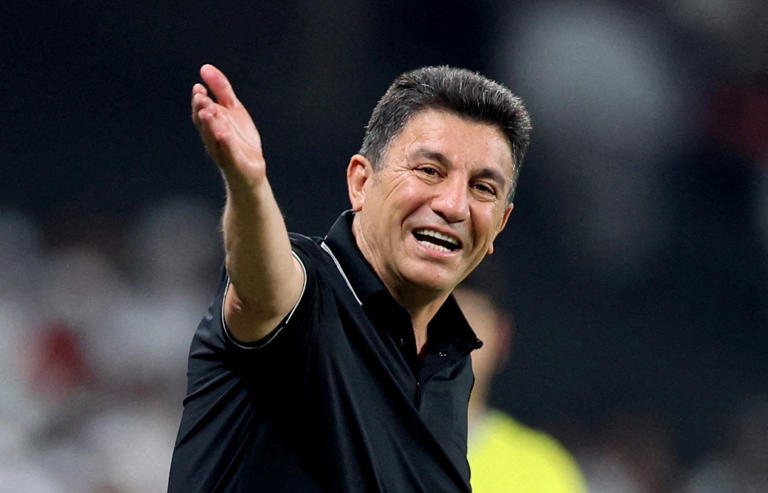
Iran’s World Cup squad has officially received U.S. visas, allowing the team to compete on American soil. However, the celebration is tempered by reports that a significant portion of the support staff, including coaches, technical advisers, and administrators, were denied entry. These roles are crucial to match preparation, recovery, and logistics, meaning the team faces a unique challenge even before stepping onto the field.
Iran insists that such restrictions disrupt the team’s ability to compete under fair conditions, framing the issue as more than just administrative red tape; it is a test of national pride and tournament integrity. The dispute has sparked international attention because it blends sports and geopolitics in an unusual way.
While players can travel and compete, the absence of support staff could affect tactical briefings, medical care, and game-day operations. Observers note that the absence of key personnel might force Iran to adapt strategies on the fly, a rare complication at a World Cup level.
Mexico Base Becomes a Strategic Necessity
Due to complications stemming from U.S. sanctions and partial visa denials, Iran has opted to lodge in Tijuana, Mexico. This unusual arrangement allows the team to maintain operational stability while traveling into the U.S. for matches. The Mexico base also provides a buffer against diplomatic friction, offering players and officials a controlled environment for training and preparation.
The cross-border logistics, however, add an extra layer of complexity, as the team must navigate immigration checkpoints, travel schedules, and training facilities across two countries.
This solution highlights how the intersection of politics and sport can reshape traditional tournament planning.
Teams rarely operate from outside the host nation, but Iran’s situation forces them into an unconventional setup that may influence fitness routines, player rest, and match readiness. How effectively they manage this will likely become a talking point in Group G’s narrative.
Visa Scrutiny Signals Security Concerns

The partial visa denials reportedly stem from U.S. concerns over affiliations with political and military entities unrelated to football. This distinction underscores how modern international events are monitored for security risks beyond the stadium. Officials emphasize that the U.S. intends to allow legitimate athletes to compete while maintaining strict oversight of other delegation members.
For Iran, this scrutiny adds pressure and frames their World Cup journey as a broader diplomatic storyline rather than just a sporting challenge. Experts suggest that these measures, though controversial, may shape global expectations for how host countries balance access to sports with national security. Iran’s campaign now represents both athletic and political hurdles, turning every matchday into a subtle test of resilience under scrutiny.
Group G’s High-Stakes Environment
Iran opens against New Zealand in Los Angeles, followed by matches against Belgium and Egypt. With the situation regarding the support staff unresolved, analysts speculate that Iran will have to rely on adaptable game plans and player initiative.
The team’s success may hinge as much on improvisation and mental toughness as on traditional tactical preparation. Fans will watch closely to see if the squad can turn administrative adversity into a competitive advantage, potentially rewriting narratives around preparation, teamwork, and resilience in high-pressure tournaments.
The Political Game Beyond the Pitch
This World Cup story extends far beyond goals and tactics. The visa drama, Mexico lodging, and partial staff denials transform Iran’s campaign into a spectacle where politics, sport, and national identity intersect. FIFA faces pressure to uphold fairness, the U.S. prioritizes security, and Iran demands operational integrity for its team.
Every match now carries significance beyond the scoreboard, creating a tension that may persist throughout the group stage and dominate headlines, proving that modern sports events can rarely escape global political realities. Iran’s journey to the World Cup is now a test of adaptability, focus, and diplomacy, with every decision, travel plan, and match carrying implications far larger than the game itself.
Read the Original Crafting Your Home.


