



A passion can make life more exciting. It gives us something to look forward to, builds our confidence, and connects us with people who share the same enthusiasm. Whether it is gaming, fitness, travel, movies, work, or personal projects, interests often become an important part of who we are.
The issue is rarely the interest itself. The problem begins when a hobby becomes more important than the people around us. When conversations revolve around one topic, when free time is always spent alone, or when relationships constantly compete with a personal obsession, emotional distance can quietly grow.
The difference between a passion and an obsession
A healthy interest adds value to life. It creates balance, improves well-being, and allows us to enjoy something outside daily responsibilities. An unhealthy obsession slowly starts replacing other important parts of life.
- Choosing a hobby over meaningful conversations again and again
- Feeling irritated when others interrupt time spent on an interest
- Losing curiosity about people who do not share the same passion
- Using an activity to avoid emotional conversations
- Allowing a hobby to define personal identity completely
Gaming can become a substitute for real connection
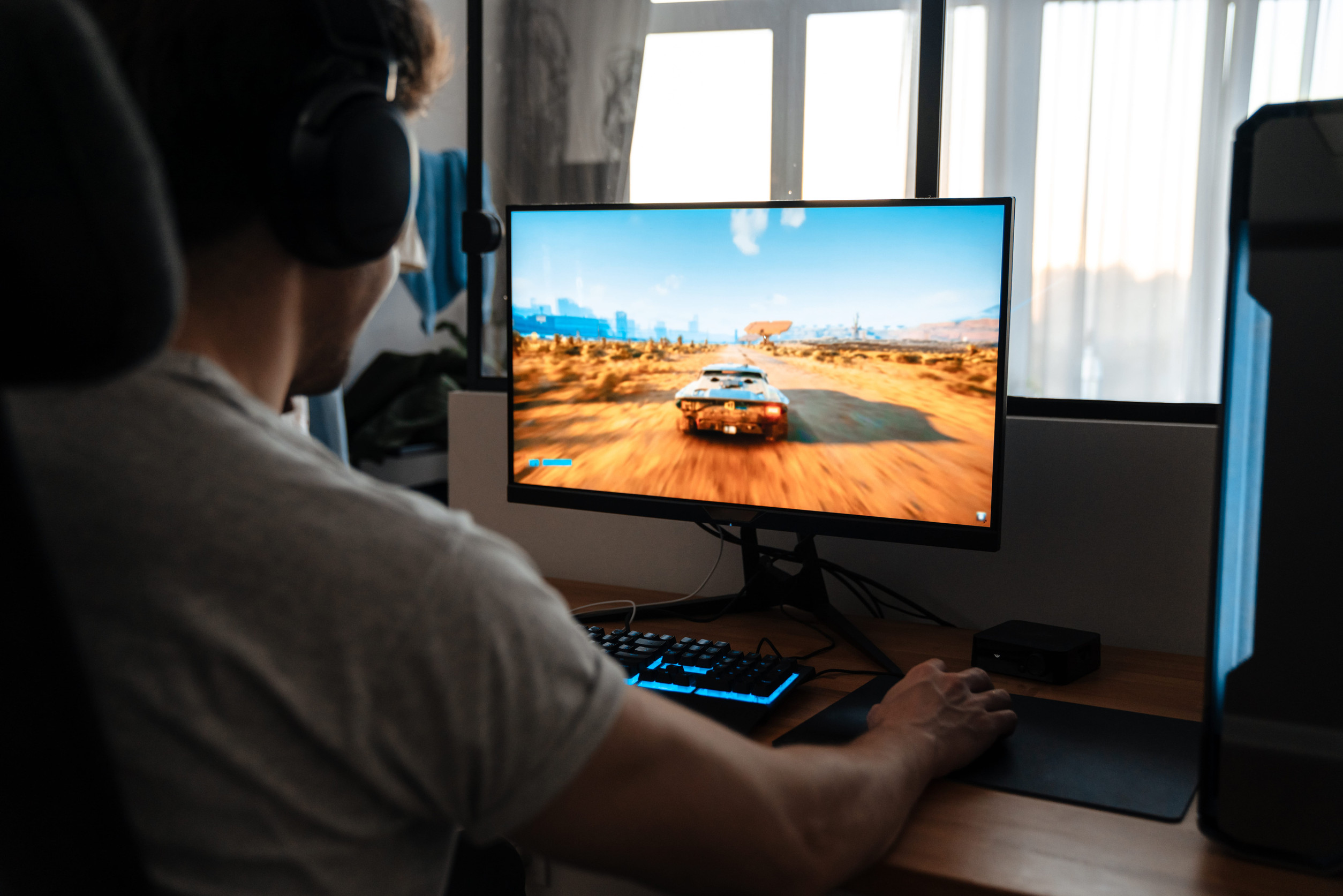
The problem appears when virtual experiences consistently replace real-life relationships.
Someone who spends every free moment gaming may unintentionally miss important conversations, social events, and shared experiences. A partner may feel ignored. Friends may stop inviting them out because they assume the answer will always be no.
A healthy balance allows time for gaming while still making room for relationships, responsibilities, and face-to-face interactions.
Social media can create the illusion of closeness
Social media platforms are designed to keep people connected, but constant digital interaction does not always create emotional intimacy.
A person can have hundreds or thousands of online connections and still feel disconnected in everyday life.
When scrolling, posting, and checking updates consume hours each day, real conversations can become less frequent. Instead of asking someone how they truly feel, people may rely on likes, comments, and quick messages as substitutes for deeper communication.
Social media becomes a relationship problem when online attention becomes more rewarding than real-world connection.
- Sitting together without distractions
- Sharing personal thoughts
- Listening without rushing
- Creating memories away from screens
Technology can bring people together, but it cannot replace emotional presence.
Fitness obsession can make relationships feel like a competition
Taking care of physical health is valuable. Exercise can improve mood, confidence, and overall quality of life.
However, fitness becomes difficult in relationships when it turns into an identity that leaves no room for flexibility.
When every conversation turns to calories, workouts, body measurements, or strict routines, others may feel judged or disconnected.
A partner who wants to enjoy a relaxed meal or a spontaneous activity may feel like they are constantly breaking someone’s rules.
A strong relationship does not require two people to have identical habits. It requires respect for each person’s choices.
Work addiction can quietly destroy emotional availability
Ambition is often admired. Building a career, pursuing goals, and working hard can create security and personal satisfaction.
But when work becomes the only priority, relationships often receive whatever energy remains after everything else.
Over time, loved ones may begin to feel secondary.
“Everything else comes after this.”
Political obsession can turn every conversation into conflict
Caring about social issues and political causes can reflect strong values and a desire to improve the world.
However, when politics becomes the only topic someone discusses, relationships can become exhausting.
Friends and family members may start feeling that every conversation is a debate instead of a connection.
Even people who share similar beliefs can feel overwhelmed when every moment focuses on arguments, news updates, or disagreements.
Relationships are built on seeing people as complete human beings, not just supporters of a particular viewpoint.
Solo hobbies can become isolation when connection disappears

Reading, writing, painting, collecting, crafting, or other individual hobbies can provide creativity and relaxation.
Personal time is healthy. Everyone needs moments alone.
The problem begins when solitude becomes the default choice.
Someone who always chooses private activities may slowly lose opportunities to build friendships, maintain family bonds, or create shared memories.
- Trying something new together
- Exploring a place together
- Learning from each other
- Sharing small everyday moments
A hobby should provide a personal escape, not become a wall between us and everyone else.
Perfectionism can make relationships feel impossible
Perfectionism often looks like a desire to achieve excellence, but in relationships it can create unrealistic expectations.
Healthy relationships are not built on flawless behavior. They are built on patience, forgiveness, and understanding.
Someone who expects every plan, conversation, or experience to go perfectly may accidentally remove the spontaneity that makes relationships enjoyable.
An unexpected mistake.
Constant travel can make relationships difficult to maintain

But relationships require consistency.
Someone who is always moving from one destination to another may struggle to stay emotionally close to people at home.
Distance does not automatically destroy relationships. Lack of effort does.
Being obsessed with movies and entertainment can limit real conversations
However, entertainment becomes limiting when it replaces participation in life.
Someone who spends most of their free time watching, analyzing, or discussing fictional worlds may unintentionally lose interest in everyday experiences.
Key Takeaways

Interests make life richer, but relationships give those interests meaning.
Passion is powerful. But connection is what keeps us grounded.
Other Posts You Might Like:
- 8 Hobbies Women Say Instantly Make Men Less Attractive
- 9 Alarming Things Emotionally Immature People Do That Damage Healthy Relationships
The Post Interests That Can Quietly Damage Relationships When They Become an Obsession first appeared on Crafting Your Home.


