
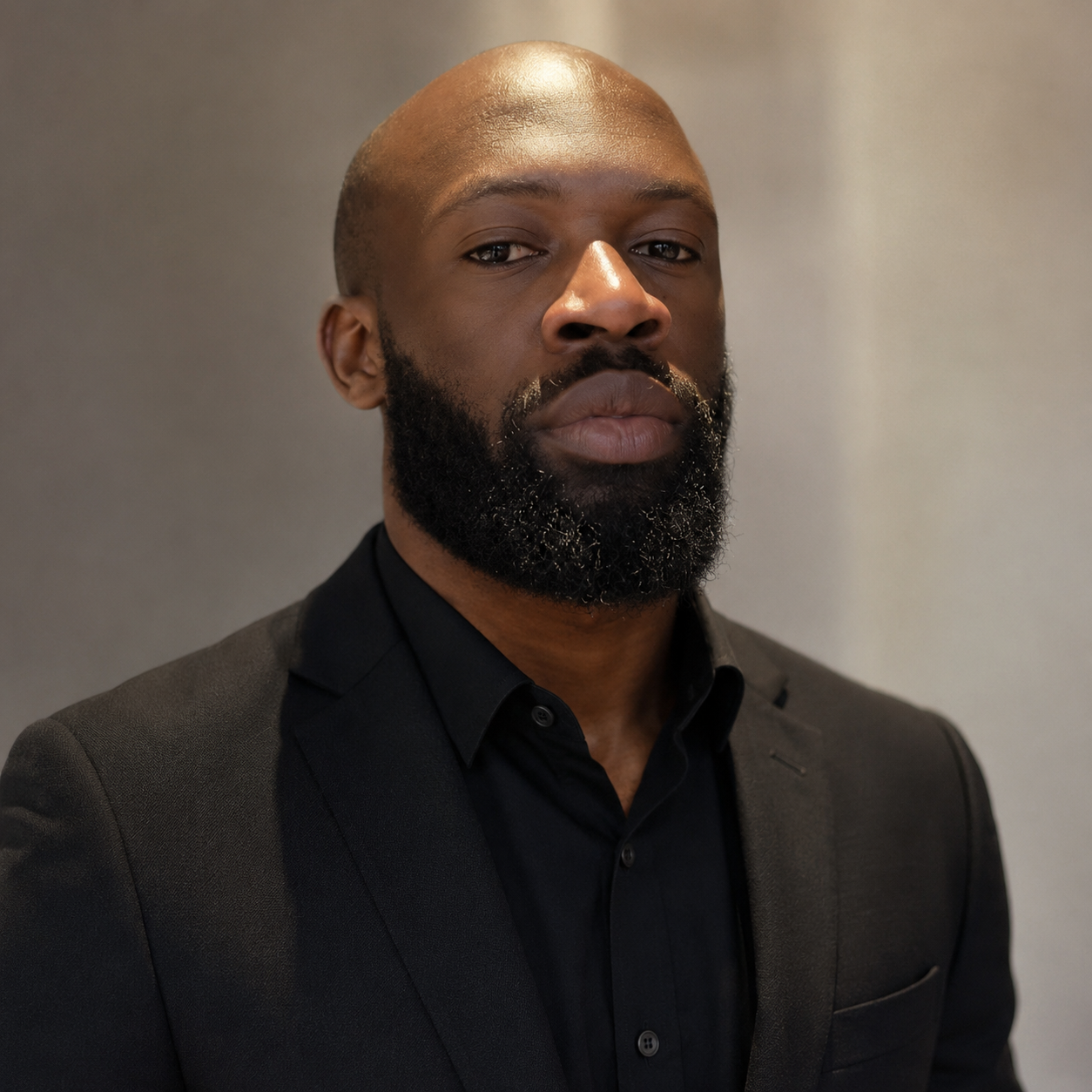

The Department of Justice has just sworn in 82 new immigration judges in a sweeping recruitment effort aimed at tackling the nation’s staggering backlog. But the move has sparked immediate controversy, raising critical questions about fairness, impartiality, and the future of asylum in America.
This unprecedented hiring surge of 77 full-time and five temporary judges represents the largest single class in history. It is designed to process millions of cases faster, but critics warn that speed may come at the cost of justice.
Record Hiring Push Comes with a Clear Enforcement Message
The DOJ’s recruitment drive made headlines not only for its size but for its messaging. Job postings explicitly referenced deportation as a primary duty, signaling a shift in tone for the country’s immigration courts.
Legal experts note that while backlogs require attention, the framing of the hiring campaign could undermine public confidence. “When the government advertises judges as ‘deportation specialists,’ it raises serious concerns about impartiality,” says Bill Hing, law professor at the University of San Francisco.
The stakes are high. Immigration judges have the authority to decide whether a person may remain in the United States or be removed. Any perception that they are biased toward deportation could erode trust in the system.
Asylum Seekers Face Uncertain Future

The influx of new judges is expected to hit asylum cases hardest. With more than 2.3 million pending claims, applicants already wait years for hearings. Faster processing could reduce delays, but advocates worry that compressed timelines might disadvantage those who cannot secure legal representation or properly prepare their cases.
Former prosecutors and military lawyers make up a significant portion of the new judges. While this background provides legal expertise, it raises questions about how these judges will handle humanitarian claims. Critics argue that enforcement-heavy backgrounds may skew decision-making toward removals rather than fair hearings.
Bonuses and Incentives Highlight Urgency and Tension

To attract candidates, the DOJ is offering salaries ranging from $159,000 to $207,000, plus up to 25% signing bonuses for select high-volume courts, including New York, Los Angeles, Boston, and San Francisco.
The scale of these incentives underscores the urgency: immigration courts are under immense pressure. Millions of unresolved cases affect not only applicants but also federal resources and local communities.
However, the aggressive recruitment strategy also fuels concern that the system prioritizes numbers over experience. “We have to ask whether quantity is overtaking quality in our immigration courts,” says Terrance Evans, president of the California Lawyers Association.
San Francisco and New York Courts Feel the Impact First
Major metropolitan courts are seeing the most dramatic changes. San Francisco, in particular, experienced mass departures of judges, leaving thousands of cases in limbo. New hires are stepping into a volatile system, facing enormous caseloads and heightened public scrutiny.
Observers warn that abrupt personnel shifts could lead to mistakes, rushed hearings, and higher rates of in absentia removal orders, which happen when an applicant misses a hearing. Families may face deportation not because of merit but because of procedural gaps.
Balancing Speed with Fairness: The DOJ’s Real Challenge
The DOJ’s goal is clear: reduce a backlog exceeding 3.2 million cases. But efficiency cannot replace due process. Judges must navigate complex legal claims, assess credibility, and apply humanitarian protections while managing heavy caseloads.
The next chapter of U.S. immigration courts will hinge on whether the new judges can balance speed with impartiality. Families, attorneys, and advocates alike are watching closely, aware that every ruling carries real human consequences.
The 82 new immigration judges mark a historic expansion, but they also spotlight a tense crossroads: faster courts, yes, but at what cost to fairness, asylum, and the promise of neutral justice?
Read the Original Article on Crafting your Home


