


The post If Your Grandparents Did These 9 Things, They Were Quietly Raising You Too first appeared on Crafting Your Home
Not every grandparent who shaped a childhood did it from behind a custody paper. Many children were, in effect, partly raised by a grandparent who was never their legal guardian, simply by showing up in specific, repeated ways. Researchers who study multigenerational families have identified what that quieter form of caregiving looks like.
They Were There on a Predictable Schedule, Not Just Occasionally

A 2025 study in Developmental Science found that the effects of grandparental support depend heavily on the relationship’s quality and consistency, not just whether a grandparent was present. Children with steady, reliable grandparent involvement showed measurably better socio-emotional development by age three than those with sporadic contact.
They Stepped Up Financially When Things Got Hard
The same study found that grandparents often respond to signs of family adversity, like a parent struggling financially or emotionally, by increasing both their financial support and their hands-on involvement. If a grandparent quietly covered a bill, filled a gap, or showed up more during a rough patch, that was a real form of caregiving, documented in the data as protective for the child.
You Could Calm Down Around Them
Developmental researchers describe grandparents who function this way as secondary attachment figures, a formal term for a non-parent adult a child can turn to for comfort and feel safe with. Studies tracking this relationship have found that children with a secure attachment to a grandparent, in addition to their parents, tend to have more favorable developmental outcomes.
Related: 10 Hidden Burdens Older Siblings Face That Can Quietly Affect You for Life
They Helped You Learn to Handle Big Feelings
Research on three-generation households found that grandparents often broaden what researchers call a child’s emotion regulation network, meaning the set of adults a child can look to help manage frustration, fear, or sadness. In that research, more grandparent involvement was directly linked to fewer behavioral problems in preschool-age children.
Your Parent Visibly Relaxed When They Were Around
A study of nearly a thousand families found that grandparent involvement was associated with lower parenting stress in mothers, and that this reduced stress helped explain why children in those families showed greater resilience. A grandparent who eased pressure on a stretched parent was doing real developmental work, even if it looked like “just helping out.”
They Modeled How to Handle Conflict or Setbacks
Researchers who study grandparent roles describe this as modeling, where grandparents demonstrate how to handle disagreements or disappointment in ways a child absorbs over time, separate from whatever they’re also learning from their parents.
Related: Firstborn, Middle or Youngest? What a Large Study Found About Birth Order and Personality
You Felt Closer to Them the More Time You Spent Together
A study of adolescents found a strong, direct relationship between a grandparent’s involvement and how emotionally close the grandchild felt, with correlation strengths as high as 0.74 depending on the grandparent. That’s a statistically strong relationship, not just a sentimental one, meaning consistent presence reliably built real closeness.
They Were a Steady Point of Contact During Family Disruption
Research specifically looking at children of divorce found that a strong attachment to a grandparent acted as a protective factor, reducing psychological symptoms and supporting social competence during a period when a child’s primary family structure was in flux.
Related: 9 Things Only People with Siblings Truly Understand
They Showed Up for the Ordinary Stuff, Not Just the Big Events
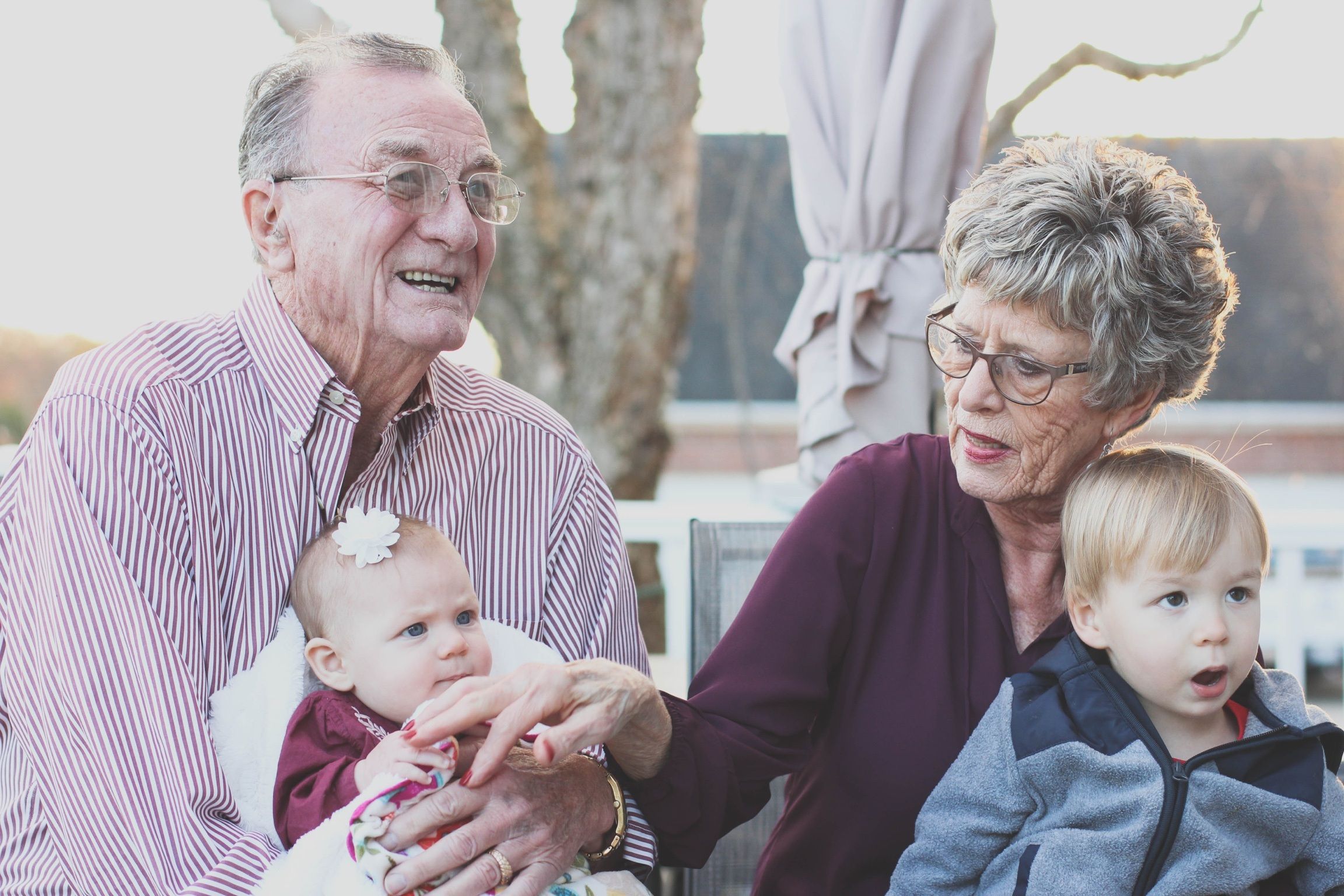
Across this research, the consistent theme isn’t elaborate involvement. It’s regular contact, practical help, and emotional availability during ordinary weeks, not just holidays or milestones. That researchers keep finding is what actually predicts a grandparent’s lasting developmental impact.
What the Research Doesn’t Say
None of this means a grandparent who wasn’t around in these ways failed at anything, and researchers note that relationship quality, not quantity alone, drives these effects. It also doesn’t erase or compete with a parent’s role. The research consistently frames grandparents as an addition to a child’s support system, not a replacement.
Other Stories You Might Like
- How Families Celebrated Thanksgiving in the 1950s
- 8 TV Theme Songs Every Boomer Can Still Sing by Heart
- 7 Things Smart Women Do in Relationships That Others Rarely Notice
If you like what you just read, then subscribe to our newsletter and follow us on social media.


