



The Post: If You Still Have These 9 Things in Your Kitchen, You Grew Up With Practical Parents First Appeared in Crafting Your Home.
Some kitchens tell stories without saying a word. The old skillet resting on the stove, the butter container holding something unexpected, and the drawer full of rubber bands all whisper the same familiar lesson: nothing useful should go to waste.
If you grew up with practical parents, you probably remember a kitchen where things weren’t replaced simply because something newer came along. A jar could begin another life, a towel could handle a hundred little messes, and the simplest tools were often the most dependable.
The Butter Tub That Holds Everything Except Butter
You know the one, that familiar plastic container sitting in the refrigerator or cupboard, except the original butter disappeared long ago. In a practical household, an empty container wasn’t necessarily finished with its work; it was simply waiting for another purpose.
The Old Pickle Jars That Became Storage Containers
Of course, not every saved jar belongs in a home-canning project or the freezer, since those uses require suitable containers. Still, there’s a quiet beauty in giving glass another job, especially when it reminds you of parents who saw possibilities where others saw an empty jar.
The Cast-Iron Skillet That Refuses to Retire
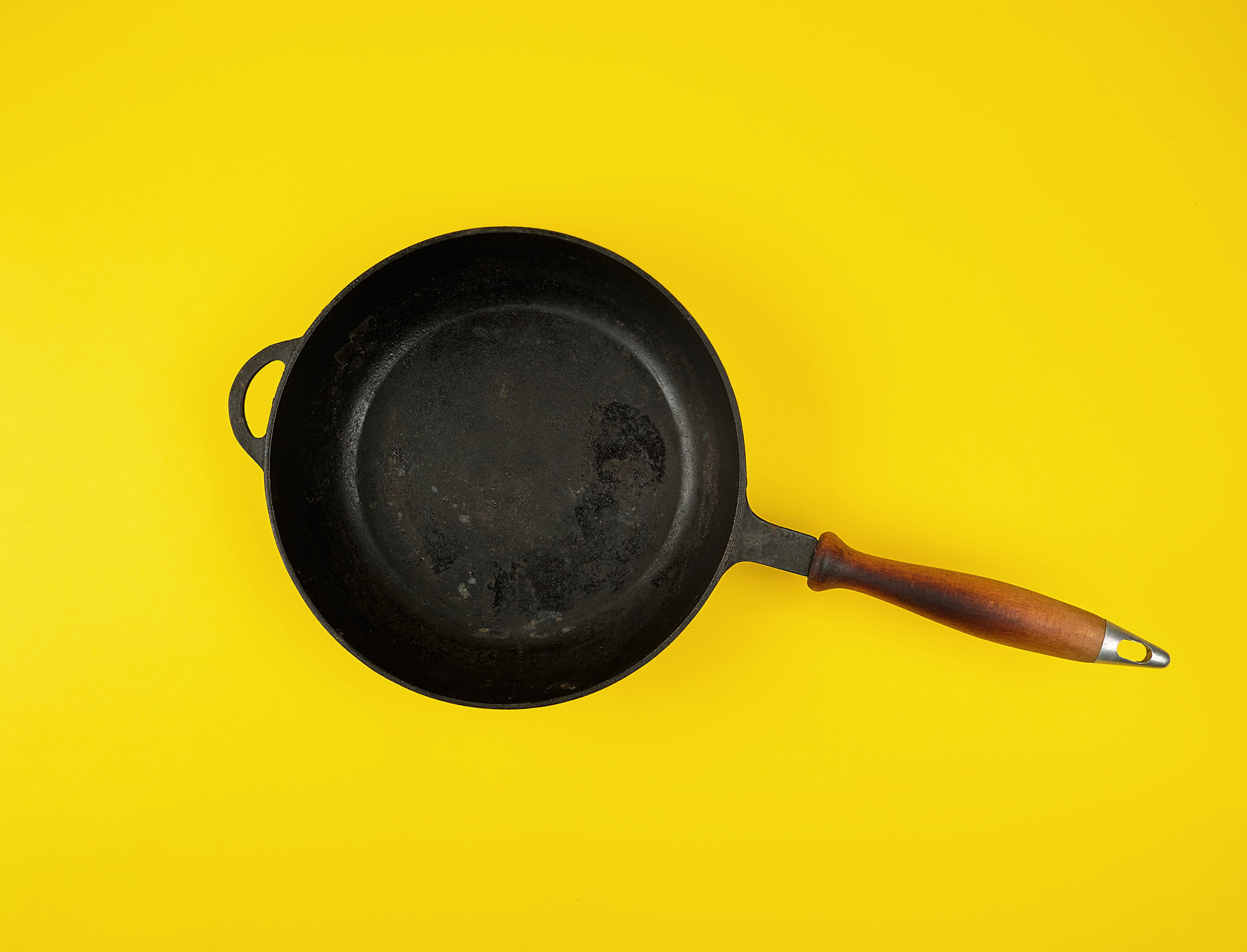
Some kitchen tools seem to carry the weight of every meal they’ve ever helped prepare, and a well-maintained cast-iron skillet has that kind of presence. Its seasoned surface can be renewed, and cookware manufacturer Lodge says properly cared-for cast iron can last for generations.
The Hand-Crank Can Opener That Never Needed Electricity
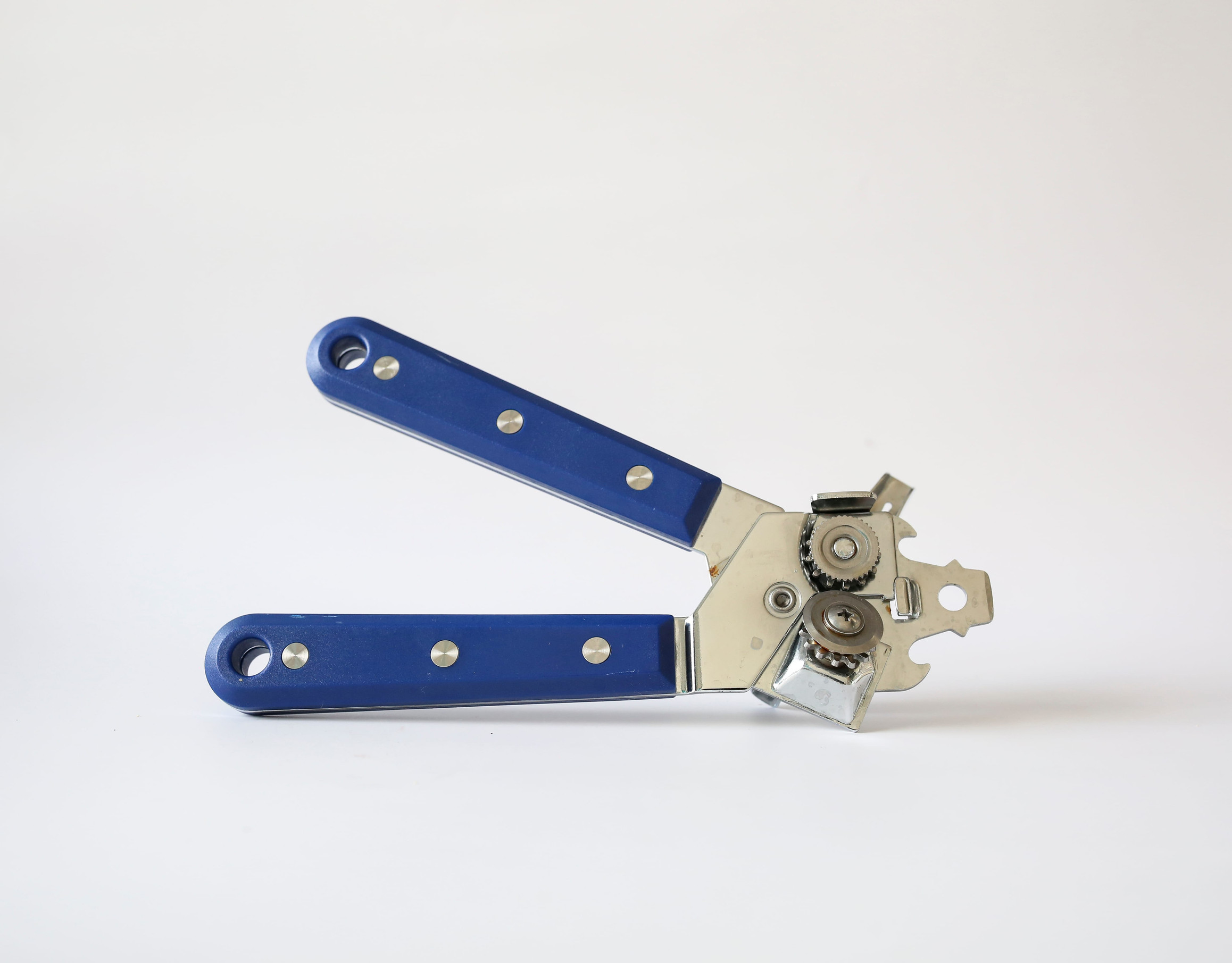
Remember that manual can opener sitting patiently in the kitchen drawer, never asking for a plug or a button? It might not have seemed exciting, but it had one valuable quality: it could open cans without relying on household electricity.
The Drawer Full of Rubber Bands and Bread Ties
Every practical kitchen seemed to have a little collection of things too useful to throw away, especially rubber bands and those tiny twist ties from bread bags. They weren’t glamorous, but they could secure folded bags, organize cords, or handle other small household tasks.
The Stack of Dish Towels That Always Came in Handy
A kitchen towel rarely receives much appreciation, yet it quietly handles the small, ordinary demands of a busy kitchen. In homes where washable basics mattered, a stack of clean dish towels was often more appealing than reaching for something disposable every time a little mess appeared.
The Four-Sided Box Grater That Did More Than One Job
Before every kitchen task seemed to invite another specialized appliance, a simple box grater could take care of several jobs. Its different grating surfaces made it useful for shredding foods such as cheese and carrots, all within one straightforward tool.
The Flexible Spatula That Scraped Every Last Bit
If your parents were practical, you may remember someone carefully sweeping the sides of a mixing bowl with a flexible spatula, determined not to leave another spoonful behind. These simple tools are designed for scraping, folding, and stirring, with enough flexibility to follow the curve of a bowl.
The Measuring Cups That Have Been Around Forever
Some measuring cups seem almost permanent, sitting in the same kitchen drawer year after year, ready whenever a recipe calls. A standard set of dry measuring cups usually includes quarter-, third-, half-, and full-cup measures, while liquid measuring cups typically have a pouring spout and extra room above the measurement markings.
Key Takeaways
And sometimes, the greatest inheritance from practical parents isn’t an object at all; it’s the quiet wisdom of knowing when what you already have is enough.
Other Posts You Might Like:
-
Eight Kitchen Appliance Choices That Could Date Your Kitchen Fast
-
Things You Should Never Keep in Your Kitchen Cabinets, According to Organizers
If you like what you just read, then subscribe to our newsletter and follow us on social media.