


The post If You Live in One of These States, Here’s What Could Affect Your Everyday Life This Fall first appeared on Crafting Your Home.
Most new laws don’t arrive with fanfare. They quietly take effect on a scheduled date, and residents find out when a paycheck looks different, or a new sign appears at work. Fall is one of the busiest windows for that kind of quiet change, since several states use October 1 as their default date for new legislation to take effect.
Here’s what’s actually changing this fall, and which states it applies to.
Florida’s Minimum Wage Hits Its Final Target
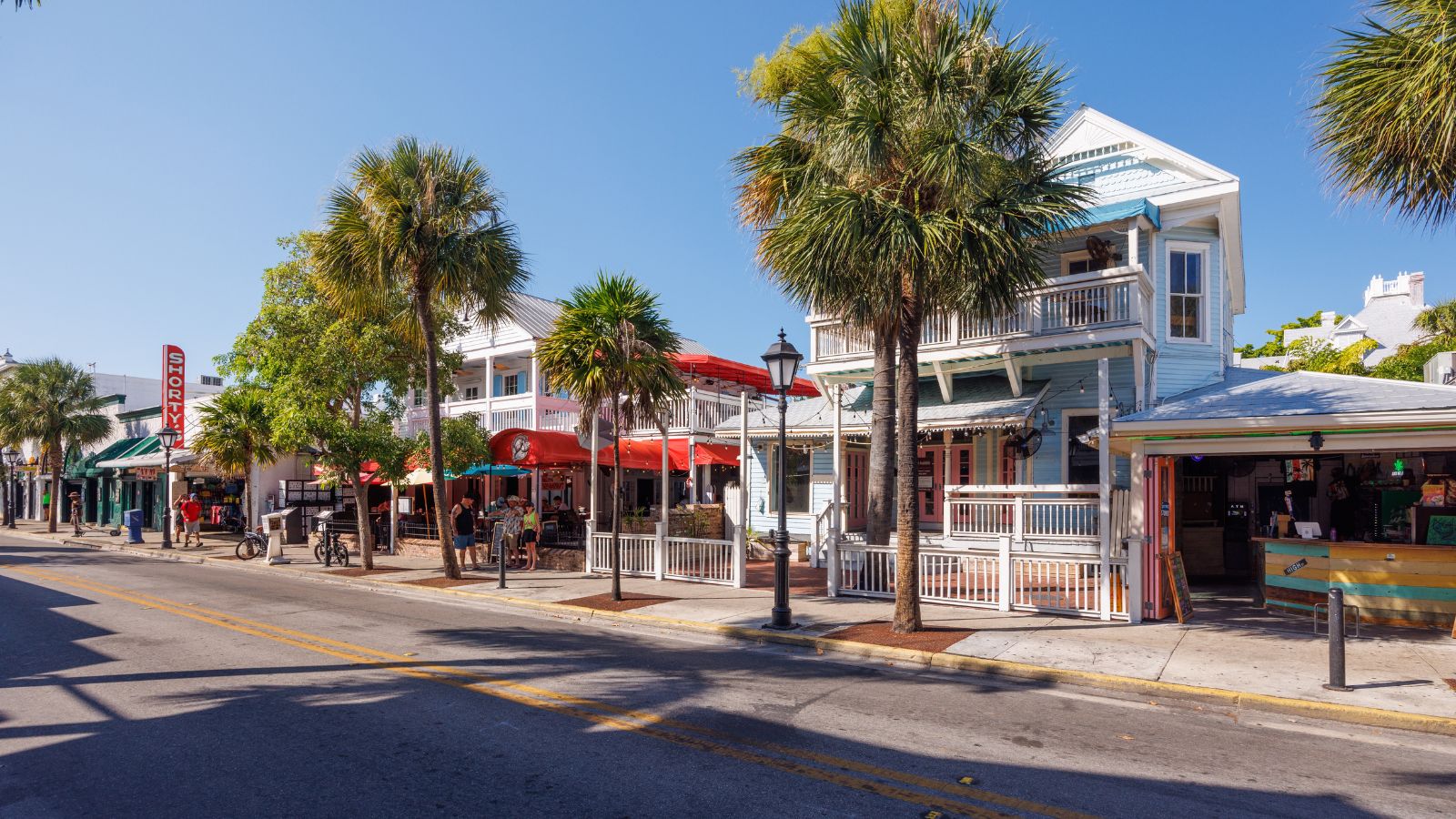
The most significant, and most widely felt, change this fall is happening in Florida. According to the state’s Department of Economic Opportunity, Florida’s minimum wage will rise from $14.00 to $15.00 per hour on September 30, 2026, the final scheduled increase under a constitutional amendment Florida voters approved in 2020.
The tipped minimum wage will rise alongside it, from $10.98 to $11.98 per hour, according to employment law tracking from HR Works and Lowndes Law. This marks the end of a six-year phase-in that started at $10 an hour in 2021 and rose by roughly $1 each September since. Starting in 2027, further increases will be tied to inflation rather than a fixed annual schedule, meaning this fall represents the last of the large, predictable jumps for Florida workers.
Related: Are Boomers the New Screen Generation? 10 Ways Technology Is Changing Life After 60
October 1 Is a Major Effective Date in Several States
Florida isn’t the only state where fall marks a legal turning point. According to legislative tracking firm Multistate, Connecticut, Montana, and Nevada all use October 1 as their default effective date for newly passed legislation, unless a bill specifies otherwise. That means a wave of laws passed during this year’s legislative sessions in those states are set to take effect at the start of October, even when the changes didn’t make major headlines when they were signed.
One concrete example: according to legal analysis from Morgan Lewis, an amendment to Connecticut’s Data Privacy Act taking effect October 1, 2026, will newly prohibit the sale of precise geolocation data, joining Maryland and Oregon in restricting how companies can buy and sell location information collected from residents’ devices.
New York Healthcare Facilities Face New Safety Rules
For residents who work in or visit healthcare settings in New York, another change lands slightly earlier in the season. According to employment law tracking firm Be the Change HR, covered New York healthcare facilities must implement new workplace violence prevention requirements beginning September 18, 2026.
For patients and visitors, this could mean visible changes at hospitals and clinics, including updated signage, new reporting procedures, or adjusted staffing protocols, as facilities work to comply with the expanded requirements.
Washington State Expands Worker Protections

Washington residents, particularly immigrant workers, are also seeing changes take shape this fall. According to the same legal tracking source, the state’s Immigrant Worker Protection Act took effect earlier in 2026. Still, the Washington Attorney General’s office must provide employers with compliance resources by September 1, 2026, including guidance on required notices related to federal immigration (I-9) inspections. For workers, that means employers should provide clearer, state-mandated information more widely as fall approaches.
A Federal Change Is Affecting International Students and Visitors Nationwide
One change isn’t limited to a single state, but it will be felt disproportionately in states with large university populations and international communities. According to Be The Change HR’s legal tracking, the Department of Homeland Security has replaced its long-standing “duration of status” approach for certain visa holders with fixed admission periods for most F-1 students, J-1 exchange visitors, and I 1q1qnonimmigrant foreign media representatives.
In practice, that means international students, exchange visitors, and journalists on these visa categories now have a specific, dated window for their legal stay, rather than an open-ended status tied to their program. As a result, universities and employers in states with large numbers of international students are being advised to pay closer attention to admission dates, extension requests, and related deadlines.
Related: 8 Relaxing Hobbies to Reduce Stress and Anxiety
Why This Matters Even If You’re Not Watching Legislative Calendars
None of these changes require residents to do anything differently; they take effect automatically, on schedule, regardless of whether anyone’s paying attention. But they can show up in very ordinary ways: a different number on a paycheck, a new sign at a doctor’s office, updated paperwork from an employer, or a stricter deadline on an immigration document.
Fall’s cluster of October 1 effective dates, combined with Florida’s headline minimum wage milestone, makes this one of the more consequential seasons for quiet legal change in 2026, even if most residents won’t hear about any of it until it’s already showing up in their daily lives.
Other posts you might like
- 8 Everyday Phone Habits That Can Quietly Hurt Relationships
- Why More People Are Building “No-Phone Hours” Into Their Evenings at Home
- 8 Effects of Too Much Phone Use on Health
If you like what you just read, then subscribe to our newsletter and follow us on social media.


