


The post I left a Controlling Marriage After Years of Emotional Abuse. These 8 Lessons Changed How I See Love first appeared on Crafting Your Home.
Sometimes, the hardest part of leaving a controlling marriage isn’t walking out the door. It’s realizing how much of yourself you gradually gave up just to keep the relationship together.
Emotional abuse does not always leave visible marks. It can show up as constant criticism, excessive jealousy, manipulation, intimidation, and attempts to control everyday decisions. Someone experiencing it may become increasingly careful about what they say, who they see, and how they behave around their partner.
The Centers for Disease Control and Prevention (CDC) recognizes psychological aggression as a form of intimate partner violence. This includes communication intended to cause emotional or mental harm or exert control over another person.
Leaving a controlling marriage can change how someone understands love, respect, and personal independence. These eight lessons offer important reminders about what a healthy relationship should look like.
Love Should Never Feel Like Constantly Walking on Eggshells
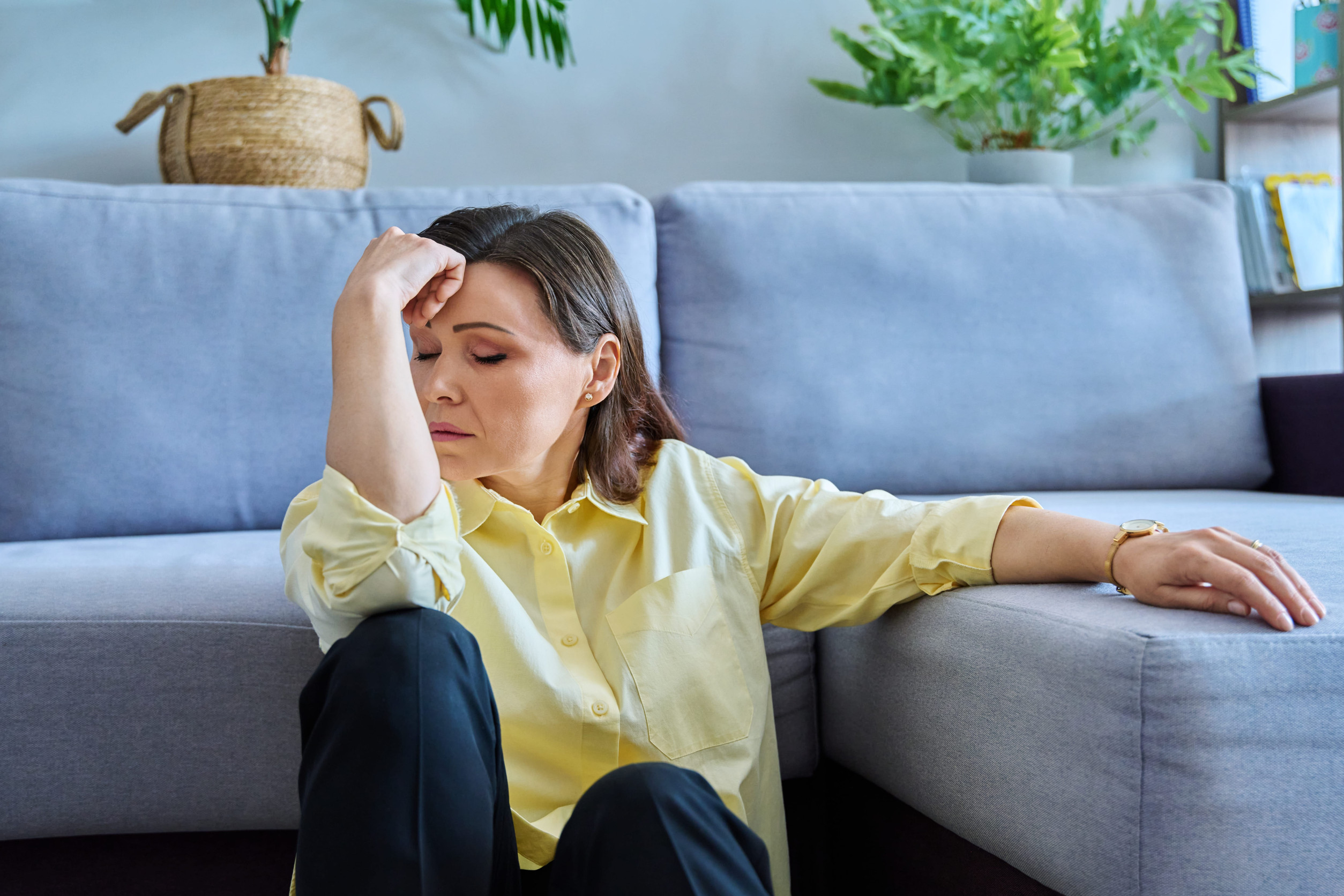
A relationship should not make someone afraid of expressing an opinion or asking a simple question.
In controlling marriages, people may start monitoring their words and actions to avoid upsetting their partners. They might avoid certain conversations, change their behavior, or remain silent even when something bothers them.
Over time, keeping the peace can become more important than expressing genuine feelings.
The National Domestic Violence Hotline identifies intimidation, humiliation, excessive jealousy, monitoring, and manipulation as potential signs of emotional abuse.
A healthy relationship should allow both people to communicate honestly without constantly worrying about their partner’s reaction. Disagreements happen, but fear should not become part of everyday married life.
Control Is Not the Same as Protection
There is a difference between a partner showing concern and someone demanding control over every aspect of another person’s life.
Asking whether someone arrived safely is different from insisting on knowing their location every minute. Wanting to spend time together is different from deciding which friends a partner is allowed to keep.
Other warning signs include demanding access to private messages, dictating clothing choices, and treating independence as disloyalty.
Love Is Respect identifies controlling behavior, including certain forms of digital monitoring, as potential signs of abuse.
Concern should not require someone to surrender their privacy or freedom. A loving relationship makes room for both partners to have individual lives.
You Should Not Have to Lose Your Friends to Keep Your Marriage
Sometimes, isolation happens gradually.
A person may begin turning down invitations because their partner becomes jealous whenever they spend time with friends. Family visits may lead to arguments, making it easier to avoid them altogether.
Eventually, maintaining outside relationships can feel like more trouble than it is worth.
The U.S. Office on Women’s Health identifies discouraging someone from seeing family and friends as a possible warning sign of domestic abuse.
Marriage should bring two people together without requiring either person to abandon their support system. Maintaining friendships and family connections allows both partners to preserve important parts of their individual lives.
Saying Sorry Means Little Without Changed Behavior
An apology can be meaningful, but repeating the same hurtful behavior makes those words difficult to trust.