



This article was originally published on Crafting Your Home. A human contributor also wrote and edited the post.
For many people, filing for bankruptcy feels like a financial failure that will follow them forever. The emotional weight can be overwhelming, especially when years of hard work seem undone by unpaid bills, mounting debt, or unexpected life events.
But bankruptcy does not have to be the end of financial stability. For many individuals and families, it represents a turning point an opportunity to eliminate overwhelming debt, build better money habits, and create a more secure future.
While rebuilding after bankruptcy takes time, experts say the process is possible when people focus on responsible financial management, careful spending, and long-term planning.
Bankruptcy laws were created to give people a second chance when debt becomes unmanageable. According to financial education resources from the Consumer Financial Protection Bureau (CFPB), understanding your financial situation, monitoring your credit, and making informed decisions are important steps toward improving your financial health.
Bankruptcy Is a New Beginning, Not a Financial Dead End

One of the biggest challenges after bankruptcy is changing the way you view your financial situation. Many people feel ashamed after filing, but financial hardship can happen for many reasons, including unemployment, medical expenses, business challenges, divorce, or unexpected emergencies.
A bankruptcy filing does not erase your ability to build wealth or achieve financial goals in the future. Many people who file for bankruptcy go on to repair their credit, buy homes, start businesses, and regain financial confidence.
The key is understanding that bankruptcy solves one problem overwhelming debt but it also creates a responsibility to develop healthier financial habits moving forward.
The first step after bankruptcy is to accept the situation and focus on decisions that can improve your future.
Create a New Financial Plan
After bankruptcy, replace your old approach to money with a clearer strategy. A realistic budget can help you see where your income goes and prevent you from falling back into financial difficulty.
A successful recovery plan begins with knowing your monthly income, essential expenses, and financial priorities. Housing, food, transportation, utilities, insurance, and savings should take priority over unnecessary spending.
Many people make the mistake of trying to return to their previous lifestyle too quickly after bankruptcy. However, rebuilding financial security often requires patience. The goal should not be to appear financially successful but actually to become financially stable.
Creating a spending plan allows you to make deliberate choices instead of reacting to financial pressure.
Related:8 Things Americans Should Know When a Country Runs Out of Money
Build an Emergency Fund Before Taking on New Debt
justlight77 via 123RF
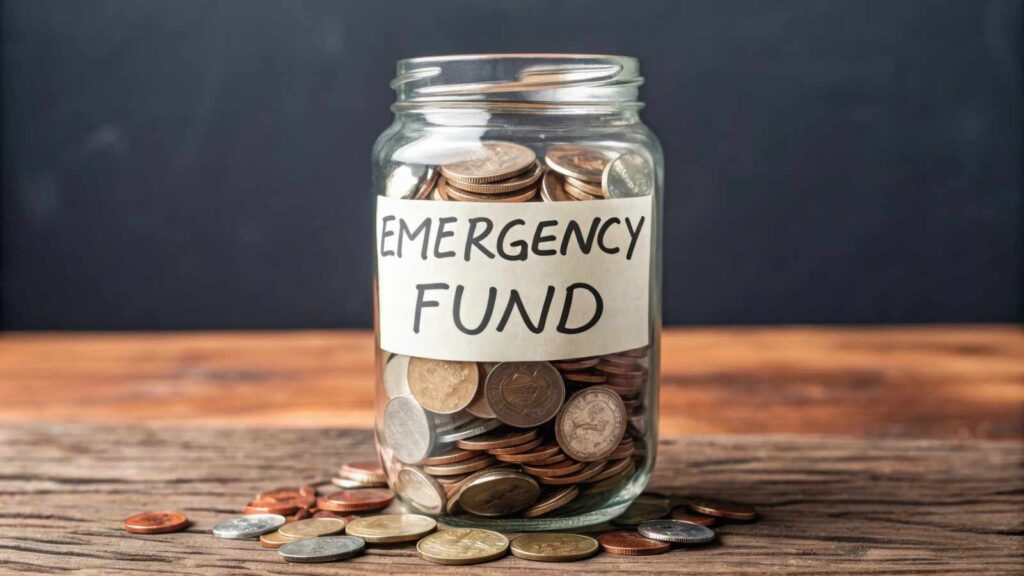
One of the most important lessons after bankruptcy is the value of having savings available for unexpected expenses.
Without an emergency fund, a sudden car repair, medical bill, or temporary loss of income can quickly create another debt crisis. Even a small amount of savings can provide protection and reduce the need to rely on credit cards or loans.
Financial experts often recommend starting with a manageable savings goal and gradually increasing it over time. Building a financial cushion may take months or years, but consistency matters more than the size of the first deposit.
An emergency fund provides something many people lose during financial hardship: control. Instead of immediately borrowing money when problems arise, savings give you time to make better decisions.
Rebuilding Credit Takes Patience and Consistency
One of the biggest concerns after bankruptcy is recovering your credit. A bankruptcy filing can remain on credit reports for several years, but it doesn’t prevent you from rebuilding your credit history.
The most important factor in credit recovery is demonstrating responsible financial behaviour over time. Making payments on time, keeping balances manageable, and avoiding unnecessary borrowing can gradually improve your credit profile.
The Federal Trade Commission (FTC) recommends that consumers regularly review their credit reports and use authorised sources to check their credit information. The FTC notes that AnnualCreditReport.com is the official source for free credit reports authorised by federal law.
Checking your credit report is important because errors can negatively affect your financial progress. If you find incorrect information, you have the right to dispute inaccurate details with the credit reporting companies.
Related:5 Money Habits Boomers Think Are Normal but Are Making Them Broke
Be Careful With New Credit Offers

After bankruptcy, many people receive offers for credit cards, auto loans, or other financial products. These offers can feel like proof that life is returning to normal.
However, access to credit does not always mean it is the right time to borrow.
Some lenders target consumers recovering from bankruptcy with high-interest products because they know those individuals may have limited options. Before taking on new credit, understand the interest rate, fees, repayment terms, and whether the payment fits comfortably in your budget.
After bankruptcy, the goal shouldn’t be simply rebuilding access to credit. It should be rebuilding trust with lenders while protecting your financial stability.
Increase Your Income Where Possible
While reducing expenses is an important part of recovery, increasing income can help speed up the process.
Some people recover financially by developing new skills, pursuing better job opportunities, starting small businesses, or creating additional income streams.
Even a modest income increase can make a major difference when paired with responsible spending. You can use extra money to build savings, improve financial security, and work toward long-term goals.
The recovery process becomes easier when there is more room between what you earn and what you spend.
Learn From the Experience
Recovering from bankruptcy is not only about repairing your credit score. It is also about understanding what caused financial problems in the first place.
For some people, the issue was relying too heavily on credit cards. For others, it may have been unexpected circumstances beyond their control. Understanding the cause can help prevent similar challenges in the future.
Financial recovery requires new habits. That may mean creating a monthly budget, saving before spending, avoiding unnecessary purchases, or learning more about personal finance.
The lessons learned after bankruptcy can become some of the most valuable financial knowledge you ever gain.
Related:7 Money-Saving Habits From the 1960s Failies Should Adopt Todaym
Set Long-Term Goals for Your Future

A bankruptcy discharge should not be viewed as the finish line. It is the beginning of a new financial chapter.
Setting clear goals can help you stay motivated. Those goals include building savings, improving your credit score, buying a home, investing for retirement, or becoming financially independent.
Progress may seem slow at first, but small financial improvements add up over time.
Every bill paid on time, every dollar saved, and every responsible decision strengthens your financial foundation.
The Bottom Line
Bankruptcy can be one of the most difficult financial experiences a person faces, but it does not define their future.
Recovery requires patience, discipline, and a willingness to make better financial choices. By creating a realistic budget, building savings, monitoring credit, and avoiding unnecessary debt, many people can rebuild stronger financial lives.
The most important part of bankruptcy is not what happened before filing. It is what happens afterwards.
With the right plan and consistent effort, bankruptcy can become not the end of your financial journey, but the beginning of a more secure future.


