How to Prevent House Fires
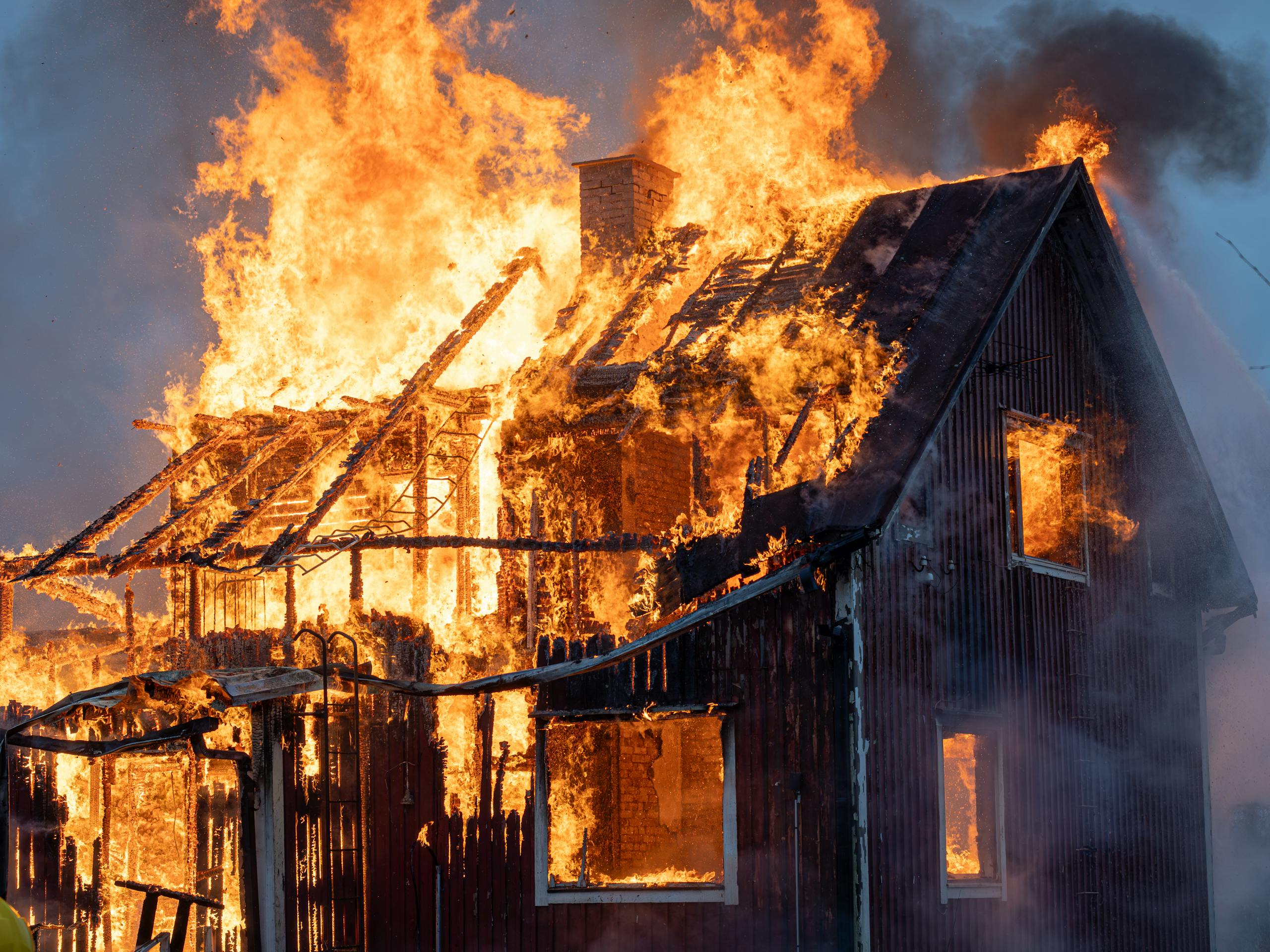
Home fire safety is an essential component of household preparedness. Fire is unpredictable and can cause irreparable damage if not appropriately managed.
This guide provides an in-depth exploration of the most effective methods to prevent fires and safeguard your home.
By following these preventive strategies and safety measures, homeowners can greatly reduce the risk of fires and ensure quick action in case of an emergency.
Install a Comprehensive Home Security System with Fire Detection Features

One of the most proactive steps to prevent fire hazards is to install a comprehensive home security system that includes smoke, fire, and carbon monoxide detectors. Many security systems come with integrated fire safety technologies, which are invaluable during emergencies.
Benefits of Fire Detection in Security Systems
- Early Detection: Fire and smoke detectors trigger an alert as soon as they detect the first signs of smoke or heat, giving residents more time to evacuate.
- Professional Monitoring: With professional monitoring, your system will notify emergency responders automatically when a fire or carbon monoxide leak is detected. This helps minimize response times, potentially saving lives and reducing property damage.
Installation Tips:
- Placement: Smoke alarms should be installed on every level of the home, especially in common areas like hallways and near sleeping quarters. Avoid installing detectors too close to kitchens, as cooking smoke could trigger false alarms.
- Maintenance: Regular testing and changing of batteries (or checking wiring for hardwired systems) are essential for keeping alarms operational. Replace devices every 10 years or as recommended by the manufacturer.
Regular Smoke Alarm Maintenance
A malfunctioning smoke alarm can be fatal in a fire emergency. To ensure that your smoke alarms are always in top working condition, follow these maintenance guidelines:
- Monthly Testing: Test smoke alarms by pressing the test button to ensure they sound off as expected.
- Battery Replacement: Replace the batteries in your smoke detectors at least once every year, or when you hear the low-battery chirp.
- Professional Inspections: Have the smoke detectors inspected by a professional to confirm they are working correctly, especially if they are hardwired into your home’s electrical system.
Keep a Fire Extinguisher in Key Areas
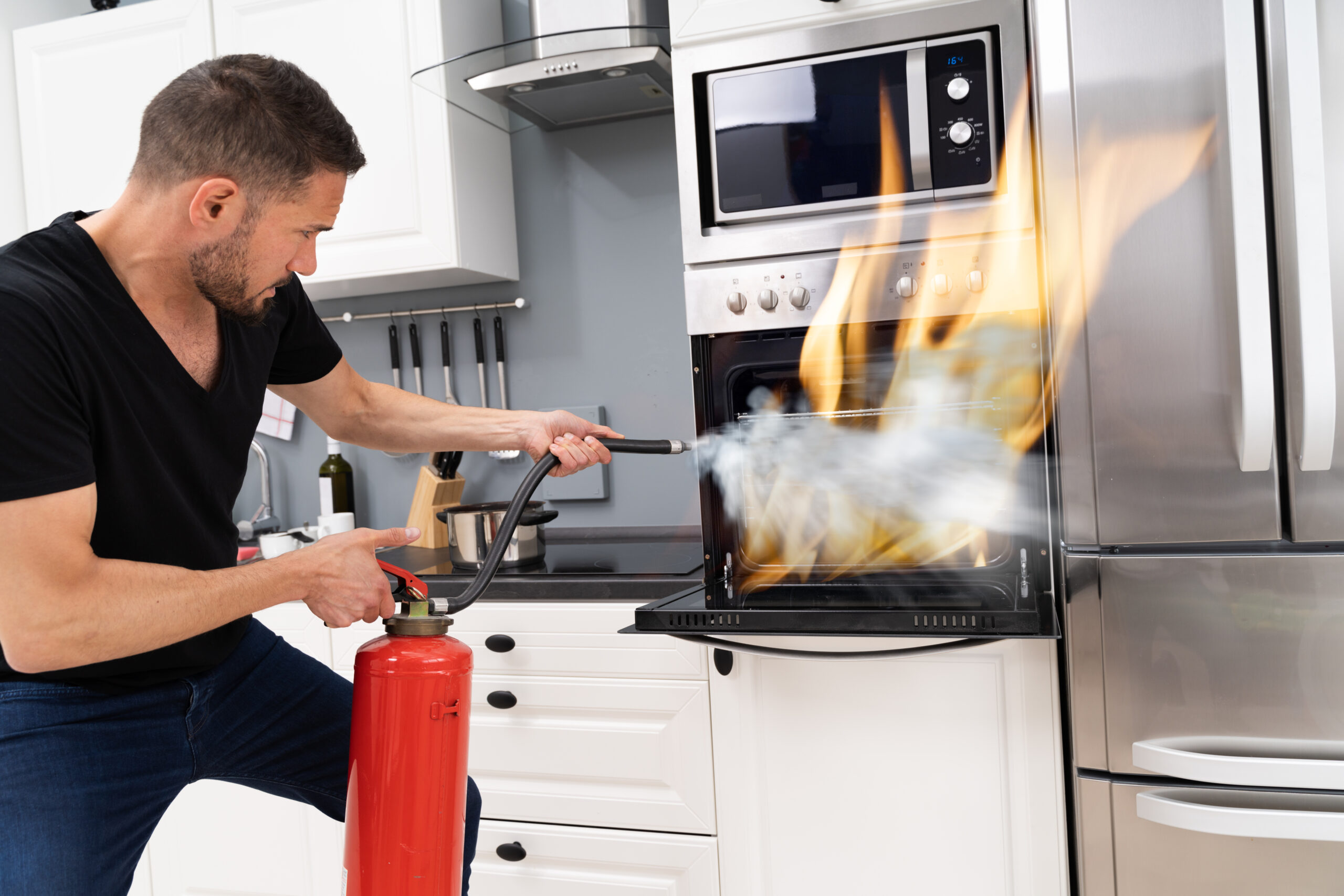
Fire extinguishers are an essential part of any home fire safety plan. They allow homeowners to control small fires before they become major emergencies. Every household should have at least one fire extinguisher, with multiple units placed in strategic locations.
Key Areas to Place Fire Extinguishers:
- Kitchen: As cooking is the most common source of household fires, keep a fire extinguisher in an easily accessible area, such as a cabinet or drawer.
- Garage and Workshop: For homes with a garage or workspace, place extinguishers near flammable materials or appliances.
- Near Fireplaces: Keep an extinguisher nearby for use in case a fire spreads beyond the hearth.
How to Use a Fire Extinguisher:
- Pull the Pin: Ensure the pin is removed from the handle.
- Aim at the Base of the Fire: Direct the nozzle at the base, not the flames.
- Squeeze the Handle: Apply pressure to release the extinguisher’s contents.
- Sweep: Move the nozzle from side to side to smother the flames.
Regular Checks:
- Inspect the fire extinguisher annually to ensure it’s fully charged and in working condition.
Fire-Retardant Blankets for Emergency Use
A fire-retardant blanket is a simple yet effective tool to have in your fire safety kit. These blankets can be used to smother small fires or protect yourself from flames during an emergency evacuation.
Benefits of Fire-Retardant Blankets:
- Ease of Use: Fire blankets can be easily thrown over a fire to extinguish it without requiring complicated steps.
- Personal Protection: Wrap the blanket around yourself to protect your body from flames, especially in cases where clothing catches fire.
- Affordability and Accessibility: Fire-retardant blankets are inexpensive and compact, making them easy to store in critical areas like kitchens, bedrooms, and hallways.
Install a Fire Sprinkler System

For comprehensive fire protection, consider installing a residential fire sprinkler system. These systems activate automatically when they detect a fire, spraying water to extinguish the flames before they can spread.
Key Advantages:
- Immediate Response: Unlike fire extinguishers, which require manual intervention, sprinkler systems provide an automatic response to a fire, helping to prevent it from spreading.
- Whole-Home Coverage: A sprinkler system covers the entire home, offering peace of mind that no matter where the fire starts, there is a response mechanism in place.
Considerations Before Installation:
- Cost: Installing a sprinkler system can be costly, but the long-term benefits in terms of property damage prevention often outweigh the initial expense.
- Home Size: The larger the home, the more sprinklers will be required, which impacts both installation time and cost.
- Local Regulations: Some areas have specific codes for fire sprinkler installation, so be sure to check with local authorities before beginning the process.
Create a Fire Escape Plan
A fire escape plan is crucial for ensuring that all members of the household can exit the building quickly and safely in the event of a fire. This plan should be practiced regularly so that everyone is familiar with the routes and procedures.
Steps for Developing a Fire Escape Plan:
- Identify All Exit Routes: Make sure there are at least two ways to escape from every room, especially from sleeping areas. This includes doors and windows.
- Designate a Meeting Spot: Choose a safe, designated area outside your home where everyone will meet after evacuating. This helps ensure no one is left behind.
- Ensure Accessibility: If you live in a multi-story home, make sure to include fire escape ladders in upper floors and practice their use.
Practice Fire Drills:
Conduct regular fire drills with all household members to practice evacuating quickly. This ensures that everyone is prepared to act in an emergency.
Adhere to Daily Fire Safety Practices
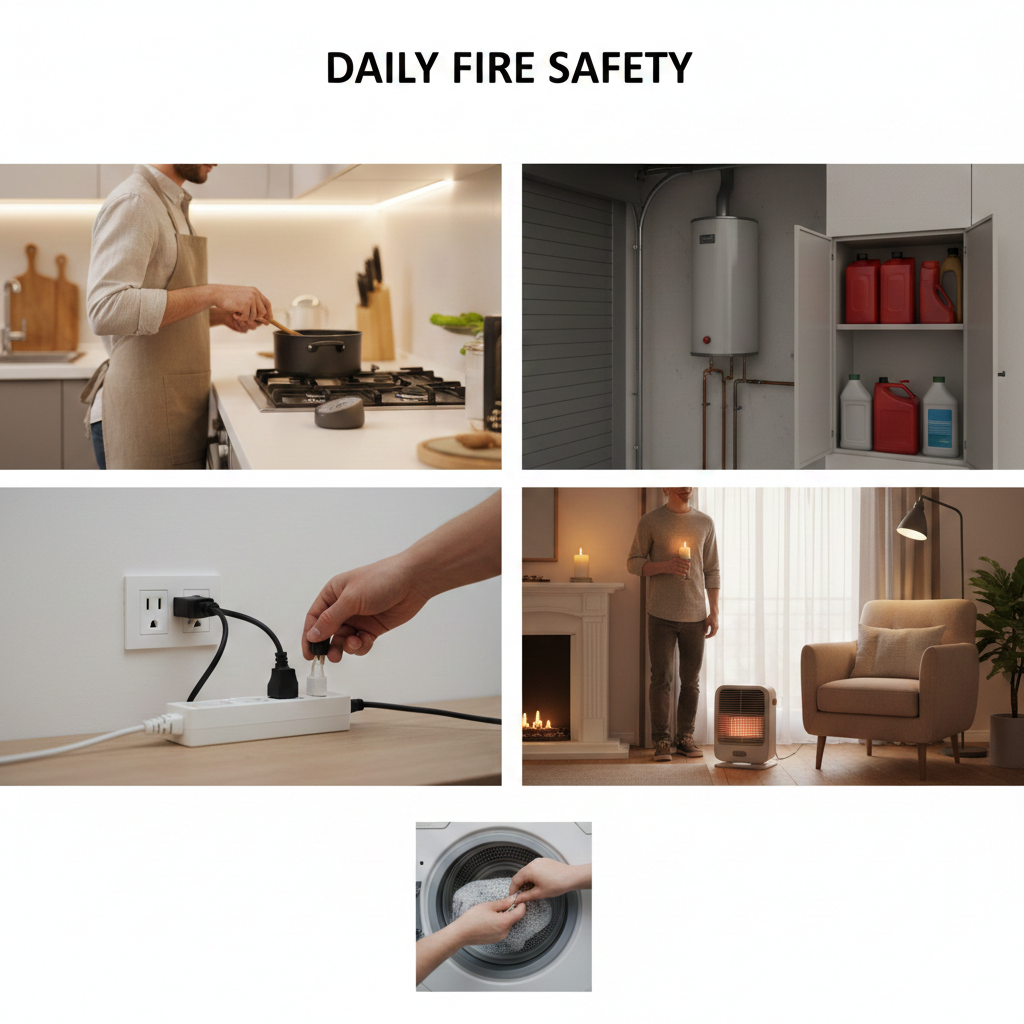
The best way to protect your home from fire is to prevent fires from happening in the first place. By following basic fire safety practices, you can significantly reduce the risk of an accident.
Daily Fire Prevention Tips:
- Kitchen Safety: Never leave cooking food unattended. Keep flammable materials like towels and paper near cooking surfaces away from heat sources.
- Electrical Safety: Avoid overloading power strips, and replace frayed or damaged wires immediately. Ensure electrical appliances are used according to manufacturer instructions.
- Flammable Materials: Store chemicals, gasoline, and other flammable substances in approved containers and away from heat sources.
- Candle and Heater Safety: Always extinguish candles when leaving a room and keep space heaters away from combustible materials.
- Dryer Maintenance: Clean the lint trap after every use to prevent dryer fires. Have the dryer vent cleaned regularly to avoid blockages.
Conclusion
Home fire safety is a crucial component of every household’s emergency preparedness plan. By installing smoke alarms, keeping fire extinguishers within easy reach, creating a fire escape plan, and practicing regular safety measures, you can minimize the risk of a fire and ensure the safety of your family.
The investment in fire safety systems such as sprinkler systems, security monitoring, and fire-retardant blankets offers peace of mind, knowing that your home is well-prepared for any potential emergencies.
Remember, the key to fire prevention is not only having the right equipment but also cultivating mindful habits that prevent accidents from happening in the first place.
Read the original article in Crafting Your Home.