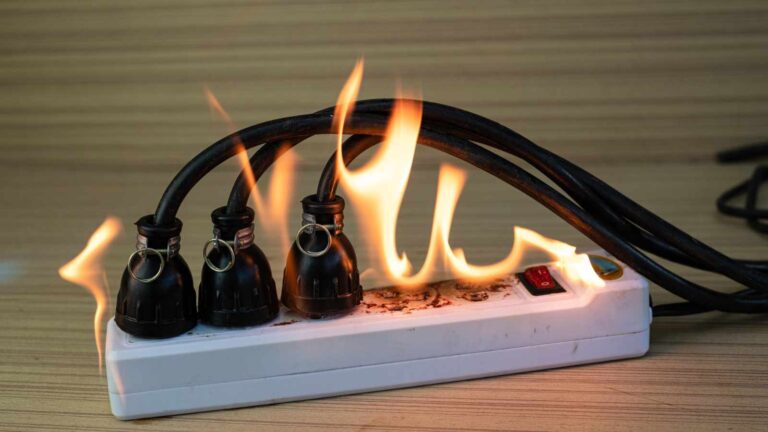
How to Get Help Paying Your Electric Bill in 2026: Programs, Tips & Step‑by‑Step Guide
Struggling with your electric bill? You’re not alone. Thousands of households face the same challenge every month as utility costs rise and incomes stay stagnant.
If you’ve found yourself buried under a mountain of overdue energy bills, wondering how to keep your lights on, there’s good news: help is out there.
From federal assistance programs to state-specific support, you can find relief that reduces your electric bills and helps you avoid the dreaded shutoff notice.
In this detailed guide, we’ll walk you through everything you need to know about getting help paying your electric bill. Whether you’re facing a one-time financial crisis or need ongoing support, we’ll show you exactly what programs exist, how to qualify, and how to apply for assistance.
The good news? There’s no need to suffer in silence or struggle with paying your bills alone—help is just a few steps away.
What Is the Low Income Home Energy Assistance Program (LIHEAP)?
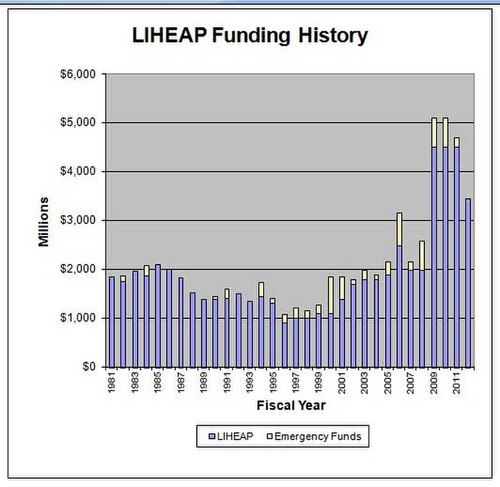
The Low Income Home Energy Assistance Program (LIHEAP) is a federally funded initiative designed to assist households that are struggling to pay for their heating and cooling costs.
LIHEAP is a critical resource for many low-income families across the United States, especially during extreme weather months when energy bills can skyrocket. This program offers one-time financial aid to help cover electric bills and prevent service shut-offs.
LIHEAP is administered at the state level, meaning the application process, eligibility requirements, and benefit amounts can vary depending on where you live.
However, the core mission remains the same: to provide relief to those in need and ensure that no household is left without essential energy services during the most critical times.
How LIHEAP Can Help You
LIHEAP isn’t just about cutting a check to cover your electric bill—it’s a multi-faceted program that offers several types of assistance. Here’s a breakdown of what you can expect from LIHEAP:
Bill Assistance Grants
For most applicants, LIHEAP provides a one-time payment that goes directly toward your energy bill. This payment is typically credited to your utility provider and helps reduce the outstanding balance.
Depending on your eligibility, you may receive seasonal payments, either in the winter to cover heating costs or in the summer to cover cooling costs.
Crisis Assistance
In cases where you’re facing a shutoff notice or have already lost power, LIHEAP offers crisis assistance to help restore your service or prevent a disconnection.
This is particularly helpful if you’re in an urgent financial bind and need immediate help to avoid serious consequences.
Weatherization Support
Another vital aspect of LIHEAP is its focus on energy efficiency. In addition to financial assistance for bills, LIHEAP can help pay for home weatherization services such as insulation, window replacements, and air sealing. These upgrades can significantly reduce energy consumption and lower your future utility costs.
Eligibility for LIHEAP and Other Assistance Programs
If you’re struggling to pay your electric bill, LIHEAP may be the first place to start, but it’s essential to understand who qualifies for these benefits. Each state has its own income guidelines, but generally, you need to meet the following criteria:
- Low household income: To qualify for LIHEAP, your household income should typically fall below 150% of the federal poverty level, though this can vary by state.
- Vulnerable households: People who are elderly, disabled, or have young children may be prioritized in many states, ensuring that the most vulnerable are taken care of first.
- Energy burden: Your eligibility may also depend on how much of your income is spent on energy. Households that spend a large portion of their income on electricity may qualify for higher assistance levels.
Additionally, many states offer special provisions for people already receiving other public benefits like SNAP (Supplemental Nutrition Assistance Program), SSI (Supplemental Security Income), or Medicaid.
This means you may automatically qualify for energy assistance if you’re already receiving these benefits.
How to Apply for Electric Bill Assistance
The process of applying for help paying your electric bill may seem daunting, but it’s actually quite straightforward when you know what to expect. Here are the essential steps to help you get started:
Contact Your Utility Provider

Before applying for government assistance, it’s a good idea to reach out to your electric company. Many utilities have special programs for low-income customers, including discounts, extended payment plans, or emergency assistance options.
By contacting your utility company, you can ensure that you have all the necessary paperwork to apply for both internal company programs and external assistance like LIHEAP.
Find Your Local Community Action Agency
Many Community Action Agencies (CAA) help administer energy assistance programs at the local level. These agencies are usually the first point of contact for applying for LIHEAP and other related services.
Most local CAAs will guide you through the application process, provide eligibility details, and help you navigate other assistance programs.
Use State and Local Resources
Each state has its own energy assistance website where you can apply for LIHEAP and other forms of utility aid. These websites often include detailed information on eligibility, required documentation, and application deadlines.
Many states also use online portals to process applications, making it easier to apply from the comfort of your home.
Prepare Documentation
When applying for assistance, you’ll generally need to submit some basic documentation, including:
- Proof of income (pay stubs, tax returns, etc.)
- A current electric bill
- Identification and Social Security numbers for all household members
- Proof of residency
Having these documents ready will streamline the application process and help ensure a faster approval.
Additional Programs to Lower Your Electric Bills
While LIHEAP is an essential program, there are other options available to help reduce your electric bills. These programs are often state-specific and can provide additional relief:
Weatherization Assistance Program (WAP)
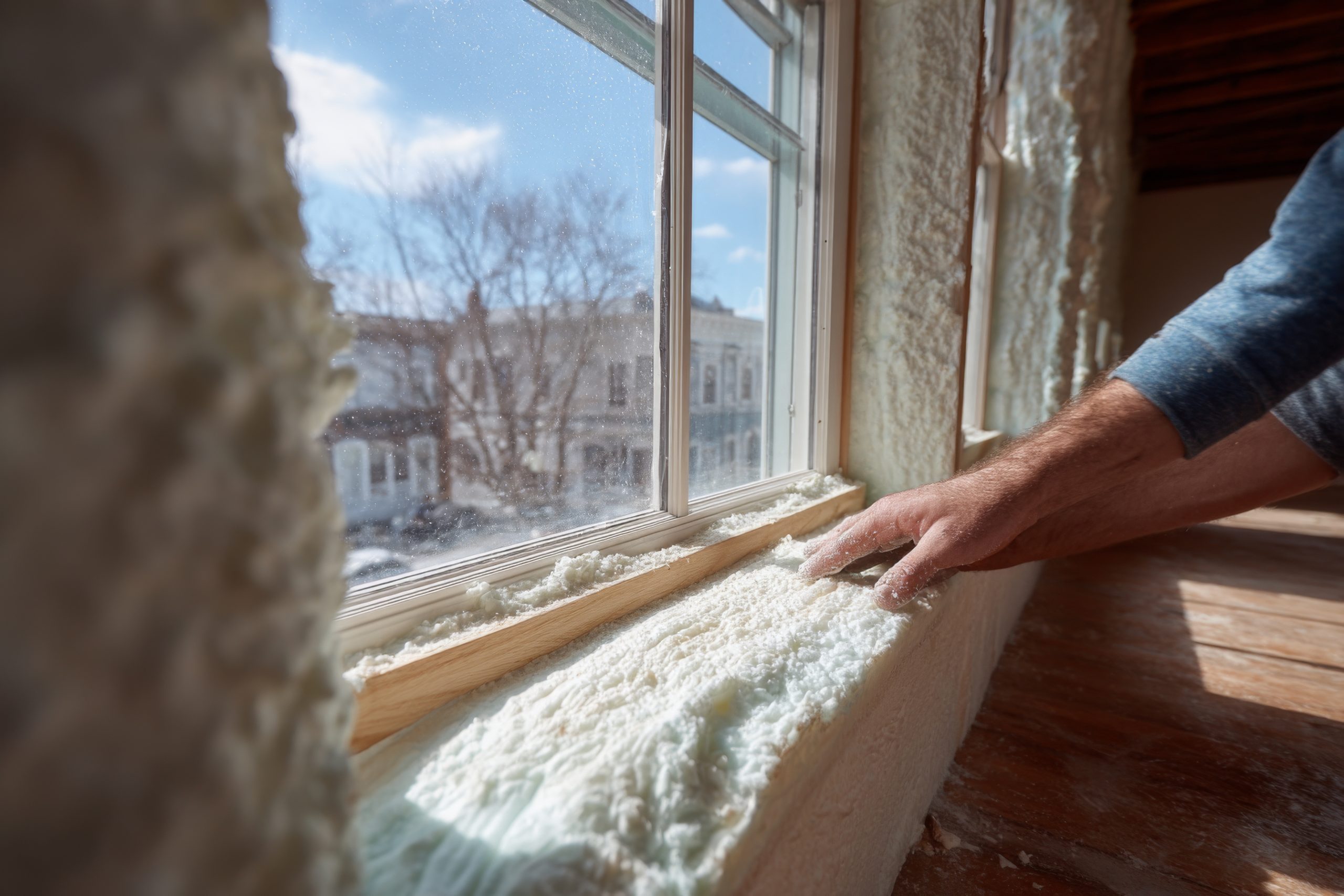
This program focuses on improving the energy efficiency of homes by providing free or low-cost weatherization services. These services can include adding insulation, sealing air leaks, and upgrading inefficient appliances—all of which reduce long-term energy consumption and lower your bills.
Utility-Sponsored Low-Income Programs
Many electric utility companies have discount programs for low-income customers. These programs may include budget billing plans, reduced rates, or payment extensions for those who meet specific income qualifications.
2-1-1 Helpline
The 2-1-1 helpline is a nationwide service that connects individuals with resources for everything from energy bill assistance to food and housing support. By dialing 2-1-1, you can get connected to a local service provider that can help you navigate available energy programs in your area.
State and Local Fuel Funds
Some states, counties, and nonprofit organizations offer fuel funds or special assistance funds to help with winter heating or summer cooling costs. These funds are typically available in addition to LIHEAP, so it’s worth checking with local agencies to see if you qualify for extra assistance.
Tips for Managing Your Electric Bill
While applying for assistance is essential, there are also proactive steps you can take to reduce your energy consumption and lower your future bills:
Enroll in Budget Billing
Many utilities offer budget billing programs that allow you to pay a fixed amount each month based on your average energy use. This can make managing your energy costs easier, especially during months when energy use is typically higher.
Seal Drafts and Insulate Your Home
Simple improvements like weatherproofing your windows and adding insulation can drastically reduce the amount of energy your home consumes. These changes can lower heating and cooling costs by keeping your home at a more stable temperature year-round.
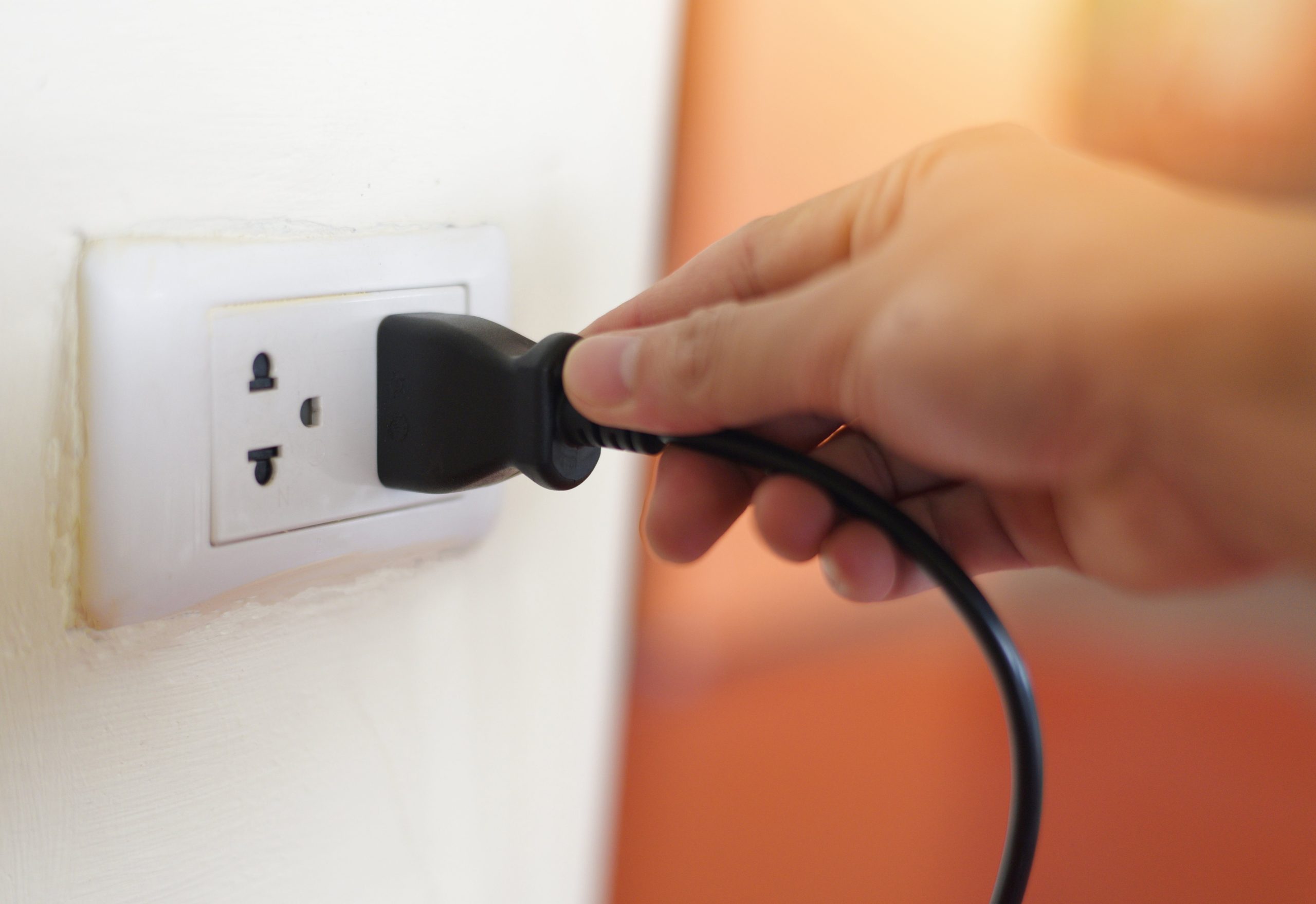
Unplug Appliances When Not in Use
Bigc Studio via Vecteezy
Unused electronics still draw power. Unplugging appliances like TVs, computers, and phone chargers when they’re not in use can help cut down on your electric bill.
Use Energy-Efficient Appliances
Upgrading to energy-efficient appliances, such as LED lightbulbs, smart thermostats, and ENERGY STAR-rated devices, can significantly reduce your overall energy consumption.
Lower Your Thermostat
Simple actions like lowering your thermostat by 4-5 degrees in the winter or raising it in the summer can have a huge impact on your bill.
Conclusion
Paying your electric bill shouldn’t have to be a financial burden. With programs like LIHEAP, weatherization assistance, and utility discounts, there’s a range of resources available to help ease the load.
Start by contacting your utility provider, applying for LIHEAP, and checking for other local assistance programs to get the relief you need.
Remember, energy assistance is not just for people facing extreme hardship, it’s available to many households who qualify.
Take the first step today and ensure your family stays safe, warm, and connected without worrying about high electric bills.
Read the original article in Crafting Your Home.