


This article was originally published on Crafting Your Home. A human contributor also wrote and edited the post.
Small businesses across Oklahoma are facing a difficult combination of higher operating costs and cautious consumer spending. Restaurants, retailers, manufacturers, contractors and agricultural businesses are paying more for some supplies while customers are becoming more selective about what they buy.
The pressure is coming from more than one source. Tariffs have increased uncertainty for businesses connected to Canadian trade, while rising food, labor, insurance and operating costs are affecting companies that serve local customers. A proposed Oklahoma wage measure also influenced the business debate, although voters rejected it and it did not become law.
Tariffs Add Pressure to Oklahoma Businesses
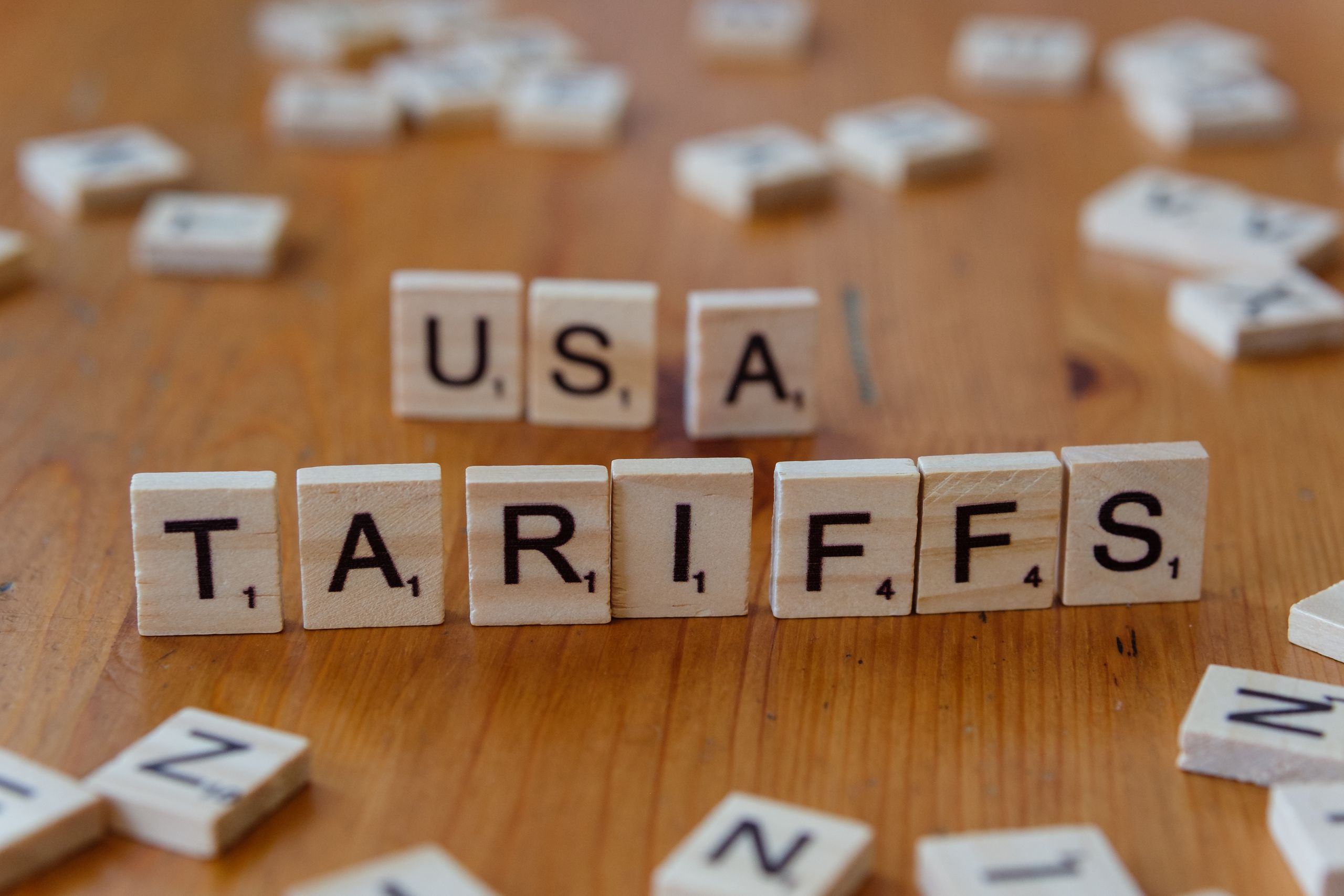
Trade policy became a more immediate concern for Oklahoma businesses in September 2026. The United States imposed a 50 percent tariff on certain Canadian products, and Canada responded with counter-tariffs ranging from 15 percent to 50 percent on approximately 27.6 billion Canadian dollars’ worth of U.S. goods. Affected products include steel, agricultural equipment, paper, household appliances, and electronics.
The impact is not limited to companies that directly import or export goods. Oklahoma businesses may also be affected through their suppliers. A local contractor, manufacturer or retailer may pay more when the price of steel, equipment, lumber, fertilizer, machinery or other imported inputs rises.
An Oklahoma company that sells products to Canada can also face higher costs in that market. KFOR reported that an Oklahoma manufacturer exporting to Canada was affected by the new Canadian duties because its products became more expensive for Canadian customers.
When tariffs increase the cost of goods, businesses generally have several choices. They can absorb the added expense, raise prices, reduce the quantity of goods they purchase, change suppliers or delay expansion. None of these options is easy for a small business operating with limited cash reserves.
The Effects May Spread Beyond Trade
Tariffs can affect businesses indirectly through transportation, construction and agriculture. Canada is a major supplier of lumber and fertilizer inputs, and Oklahoma businesses have warned that trade disruptions could place pressure on construction costs, farming expenses, fuel prices and groceries.
A local restaurant may not import Canadian goods directly, but it could still face higher prices for food, equipment, packaging or repairs. A builder may pay more for materials, while a farm may face higher costs for fertilizer or machinery parts. Those expenses can eventually affect the prices customers pay.
The exact impact will vary by industry. A business that depends on imported materials or sells extensively across the Canadian border will likely feel the effects more directly than a local service provider with few physical inputs. It would therefore be inaccurate to claim that tariffs have affected every Oklahoma small business in the same way.
Customers Are Also Spending More Carefully
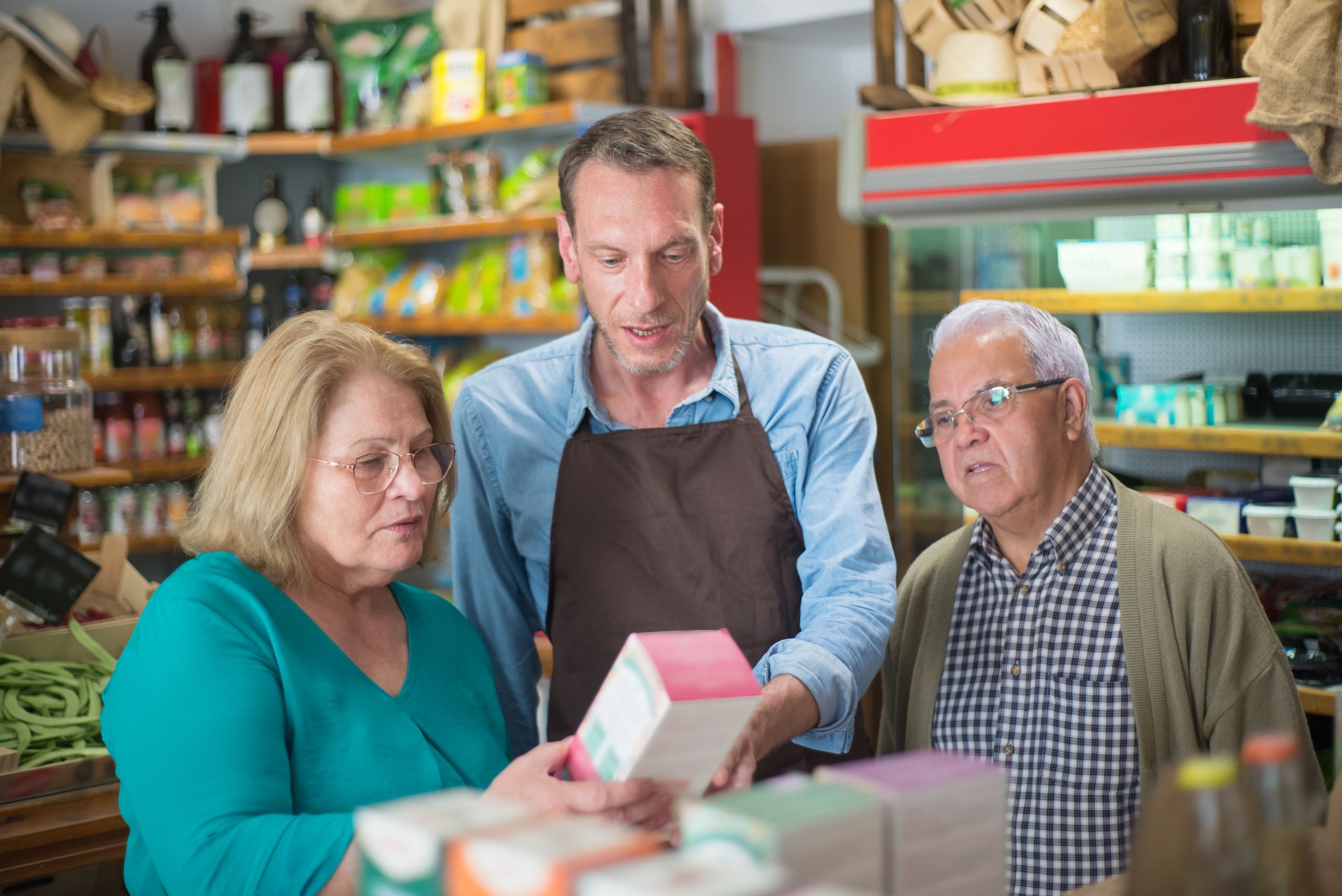
Businesses are under pressure not only because their costs are rising but also because customers may be less willing to accept higher prices. A May 2026 State Chamber survey of 645 Oklahoma residents found that 70.2 percent had reduced restaurant or takeout spending during the previous year because of higher prices. More than 63 percent said everyday expenses had become harder to afford, while over 71 percent said rising prices had changed their household spending.
This creates a difficult situation for restaurants and other local businesses. Owners may need to raise prices to cover food, labour, insurance and supply costs, but higher prices may reduce customer traffic.
Restaurants may respond by offering smaller portions, limited-time discounts, family meal deals or less expensive menu items. Some may reduce opening hours or delay equipment upgrades. Others may absorb part of the cost, which can protect customer relationships in the short term but reduce profits.
The State Wage Debate
State policy also shaped business expectations in 2026 because of State Question 832. The proposed measure would have raised Oklahoma’s minimum wage to $12 per hour in 2027, $13.50 in 2028 and $15 in 2029, followed by cost-of-living adjustments.
Business organizations argued that the proposal would increase payroll costs and might lead some owners to raise prices, reduce hours, or hire fewer workers. Supporters argued that higher wages would help workers manage rising living costs and could increase consumer spending.
Oklahoma voters rejected the measure on June 16, 2026. As a result, it did not become an enacted state policy and should not be described as a direct cause of current operating-cost increases.
Its importance was mainly in the uncertainty it created before the vote. Business owners had to consider how a possible wage increase might affect future budgets, even though the proposed mandate ultimately failed.
Labor Costs Remain Important

The rejection of State Question 832 did not eliminate labor-cost pressures. Businesses still compete for workers, and some must raise pay or improve benefits to attract employees. Higher wages may be necessary for recruitment, but they increase costs for owners already dealing with expensive supplies and cautious customer spending.
The latest NFIB figures available in September 2026 showed that 35 percent of surveyed small-business owners had job openings they could not fill. Owners also continued to report concerns about labor quality, labor availability, and labor costs.
This creates a tension for local businesses. They need enough employees to maintain opening hours and customer service, but hiring and retaining staff can make it difficult to keep prices low.
How Oklahoma Businesses Are Responding
Businesses are adapting in different ways. Some are looking for alternative suppliers or buying products in advance before prices rise. Others are reducing inventory, changing product lines or focusing on goods with stronger profit margins.
Retailers may offer fewer brands or smaller selections to control costs. Restaurants may redesign menus around more affordable, available ingredients. Manufacturers may review their supply chains and seek local or domestic alternatives, although changing suppliers can take time and may not always be cheaper.
Many small businesses are also trying to improve efficiency. They may use digital payment systems, inventory software, online ordering or targeted promotions to reduce waste and encourage repeat customers. These measures can help, but they do not fully offset major increases in supplies, labor, or transportation.
What This Means for Local Communities

When local businesses raise prices or reduce services, residents feel the impact. Customers may have fewer affordable restaurants, shops or repair providers nearby. Businesses that reduce staff or opening hours may become less convenient, while those that close can leave vacant storefronts and weaken commercial districts.
At the same time, local businesses are important employers and community gathering places. Their ability to remain open affects workers, suppliers, landlords, and nearby businesses. A single closure may reduce foot traffic for other shops in the same area.
This is why operating costs are not only a private problem for business owners. They can influence the character and economic health of Oklahoma towns and neighbourhoods.
Related:Prince William County Business Partners Sentenced After Nearly $1 Million COVID Loan Fraud Scheme
The Balanced Conclusion
Tariffs and state policy affected Oklahoma’s small-business environment in different ways. The September 2026 U.S.–Canada tariff dispute created direct and indirect cost pressures for businesses connected to Canadian goods, agricultural inputs, construction materials and exports.
State Question 832 influenced business planning and public debate, but Oklahoma voters rejected it, so it did not impose a new wage cost on employers. More immediate pressures came from existing labor expenses, supply costs, insurance, transportation, and customers’ reduced ability or willingness to spend.
The most accurate conclusion is that Oklahoma’s local businesses are facing a combination of trade uncertainty, higher operating expenses, and cautious consumers. Tariffs have intensified pressure in particular industries, while broader cost increases are affecting businesses across the local economy. Their ability to survive will depend on how successfully they adjust prices, suppliers, staffing and services without losing the customers they depend on.
Other Post you might like:
If you like what you just read, then subscribe to our newsletter and follow us on social media.


